
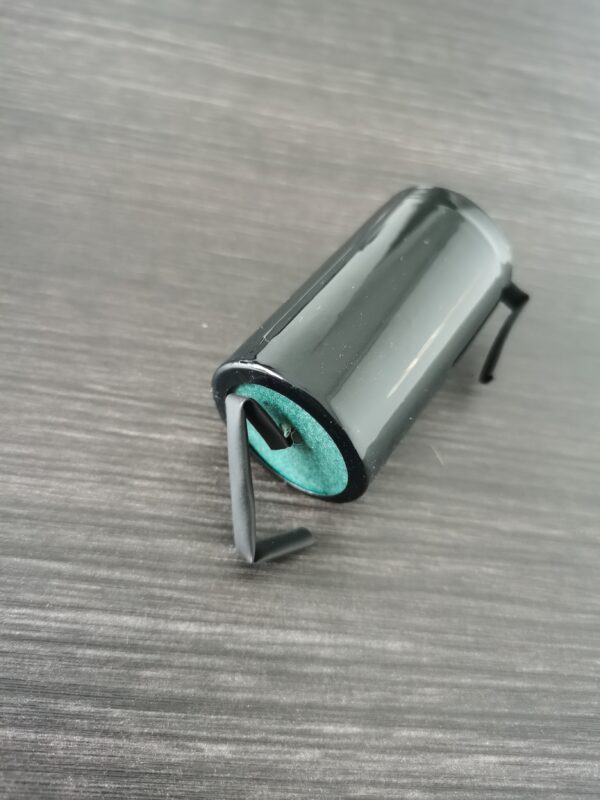
Optimizing Car Alarm Remote Performance: A B2B Guide to Li-MnO₂ CR2020 Batteries
In the automotive security industry, reliability is not merely a feature; it is the core product. For distributors, system integrators, and procurement officers sourcing power solutions for car alarm remotes and keyless entry systems, the choice of battery directly impacts brand reputation and customer retention. The Li-MnO₂ CR2020 battery has emerged as a critical component in this sector. This guide provides a technical and commercial overview tailored for B2B stakeholders looking to secure high-quality power sources in the 2026 market landscape.
Technical Overview: Why Li-MnO₂ Chemistry Matters
The CR2020 form factor is a 20mm diameter, 2.0mm height coin cell. However, the chemistry defines its performance. Lithium Manganese Dioxide (Li-MnO₂) is the standard for primary lithium coin cells used in automotive remotes due to its stable discharge curve and high energy density.
Key Specifications for B2B Evaluation:
- Nominal Voltage: 3V. Consistent voltage output is crucial for RF signal transmission strength. A dropping voltage can reduce the operational range of a car alarm remote.
- Capacity: Typically ranges between 35mAh to 45mAh depending on the manufacturer’s density technology. For high-drain pulses required by modern encrypted key fobs, higher capacity variants are preferred.
- Operating Temperature: Automotive environments are extreme. Quality CR2020 cells must operate reliably between -40°C and +85°C. Lower quality cells may experience voltage depression in freezing winter conditions, leading to “dead remote” complaints.
- Shelf Life: Li-MnO₂ chemistry offers a low self-discharge rate (less than 1% per year), ensuring a 5 to 10-year shelf life. This is vital for inventory management and aftermarket sales.
Application Focus: Car Alarm Remotes and Key Fobs
Car alarm remotes differ from standard consumer electronics. They often sit idle for weeks and then require a high-current pulse to transmit a security code. This “pulse drain” characteristic demands a battery with low internal resistance.
In 2026, many automotive security systems are integrating more complex encryption protocols, which slightly increase power consumption during transmission. Procurement teams should verify that the CR2020 batteries selected can handle peak pulse currents of at least 15mA without significant voltage drop. Furthermore, leakage protection is non-negotiable. A leaking battery can destroy the remote’s circuit board, leading to warranty claims that far exceed the cost of the battery itself. High-quality sealing techniques, such as laser welding and multiple gasket layers, are essential features to demand from suppliers.
Compliance and Regulatory Landscape (2026 Update)
For overseas importers, compliance is the biggest hurdle. Lithium batteries are classified as Dangerous Goods (Class 9) for transport. As of 2026, the UN38.3 standard for lithium battery transport safety is undergoing renewed scrutiny and updates to ensure stricter safety protocols during air and sea freight.
Critical Documentation Requirements:
- UN38.3 Test Report: This is the “passport” for lithium batteries. It confirms the battery has passed tests for altitude simulation, thermal cycling, vibration, shock, external short circuit, impact, overcharge, and forced discharge. Ensure your supplier provides the latest version compliant with the 2026 revisions of the UN Manual of Tests and Criteria.
- MSDS (Material Safety Data Sheet): Must be updated according to ISO 11014 standards. It details chemical composition and emergency measures.
- Transport Classification: Verify the shipping declaration matches the battery type (Lithium Metal, UN3090).
Failure to provide updated documentation can result in cargo seizure at customs or rejection by logistics providers. B2B buyers should request sample copies of these documents during the vendor qualification phase. For comprehensive details on compliant primary battery solutions, you can explore the full range of specifications at https://cnsbattery.com/primary-battery/.
Procurement Strategy: Quality and Supply Chain
When sourcing CR2020 batteries for automotive applications, price should not be the sole determinant. The cost of a battery failure in the automotive security sector includes shipping replacements, labor, and potential brand damage.
Selection Criteria:
- Consistency: Request data on voltage consistency across batches. Automated optical inspection (AOI) and 100% voltage sorting during manufacturing are indicators of a mature factory.
- OEM/ODM Capabilities: Many distributors require custom branding (laser printing on the cell). Ensure the supplier can handle custom packaging and labeling without compromising the seal integrity.
- Supply Chain Stability: Given the volatility in raw lithium markets, partner with manufacturers who have long-term material contracts to ensure stable pricing and delivery schedules.
Case Study: Reducing Warranty Returns
A European automotive security distributor recently switched to a higher-grade Li-MnO₂ CR2020 supplier after experiencing a 3% warranty return rate due to leakage in cold climates. By selecting a vendor with enhanced sealing technology and verified -40°C performance data, they reduced returns to under 0.5% within one year. The slight increase in unit cost was offset by a significant reduction in after-sales support costs. This underscores the value of technical due diligence over initial price savings.
Conclusion
The Li-MnO₂ CR2020 battery is a small component with a massive impact on the functionality of car alarm remotes. For B2B buyers in 2026, success lies in balancing technical specifications with rigorous compliance adherence. Prioritize suppliers who offer transparent documentation, robust quality control, and adherence to the latest UN38.3 transport regulations.
Building a partnership with a reliable manufacturer ensures that your supply chain remains resilient against regulatory changes and market demands. For direct inquiries regarding bulk procurement, technical datasheets, or customization options, please reach out via our dedicated contact channel at https://cnsbattery.com/primary-battery-contact-us/. Secure your supply chain with power solutions designed for the demanding automotive environment.
