Li-MnO₂ Battery for Water Treatment Plant Turbidity Sensors
Introduction
Water treatment plants rely on continuous, reliable monitoring systems to ensure water quality compliance and operational efficiency. Among critical monitoring parameters, turbidity measurement stands as a fundamental indicator of water clarity and treatment effectiveness. Turbidity sensors deployed in these facilities demand power sources that deliver long-term stability, consistent voltage output, and exceptional reliability under challenging environmental conditions. Lithium Manganese Dioxide (Li-MnO₂) primary batteries have emerged as the preferred power solution for industrial turbidity sensors, offering unmatched performance characteristics that align precisely with water treatment infrastructure requirements.
Why Li-MnO₂ Batteries Excel in Turbidity Sensor Applications
Stable Voltage Output Throughout Discharge Cycle
Li-MnO₂ batteries maintain a remarkably flat discharge curve, delivering consistent 3.0V nominal voltage throughout approximately 80% of their service life. This characteristic proves essential for turbidity sensors, which require stable power to maintain measurement accuracy. Voltage fluctuations can introduce reading errors, potentially compromising water quality assessments and regulatory compliance reporting.
Extended Operational Lifespan
Modern Li-MnO₂ cells provide 5-10 years of continuous operation in typical turbidity sensor applications, significantly reducing maintenance frequency and associated labor costs. Water treatment facilities often deploy sensors in hard-to-access locations, making battery replacement a costly and time-consuming endeavor. The extended service life of Li-MnO₂ batteries minimizes operational disruptions and total cost of ownership.
Wide Temperature Range Performance
Water treatment environments expose equipment to temperature variations ranging from -40°C to +85°C. Li-MnO₂ chemistry maintains reliable performance across this entire spectrum, ensuring consistent sensor operation regardless of seasonal changes or facility location. This temperature resilience eliminates the need for additional heating or cooling systems, reducing infrastructure complexity and energy consumption.
Low Self-Discharge Rate
With annual self-discharge rates below 1%, Li-MnO₂ batteries retain capacity during storage and intermittent operation periods. This characteristic proves valuable for backup sensor installations and facilities experiencing variable operational schedules.
Technical Specifications for Sensor Integration
Recommended Battery Configurations
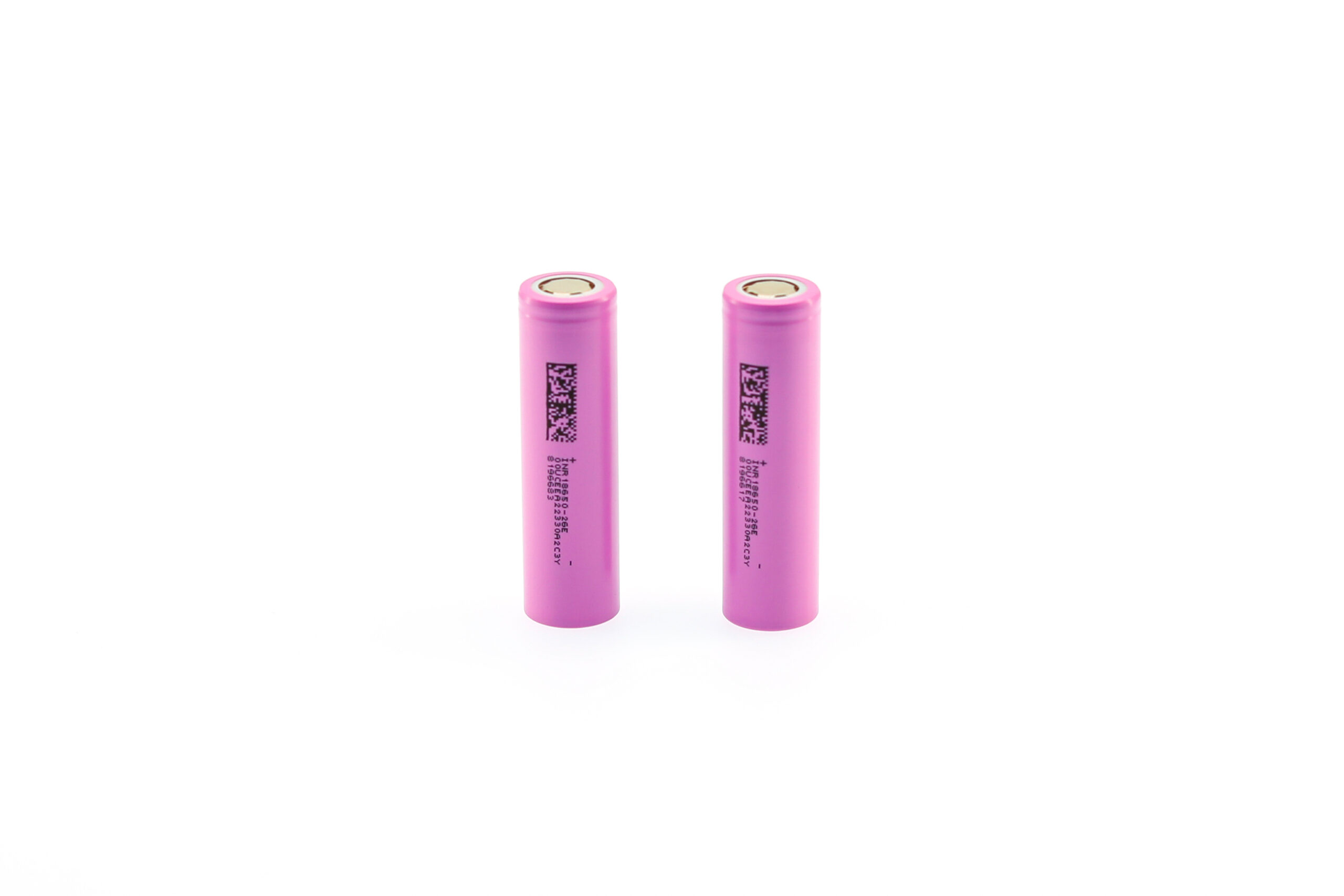
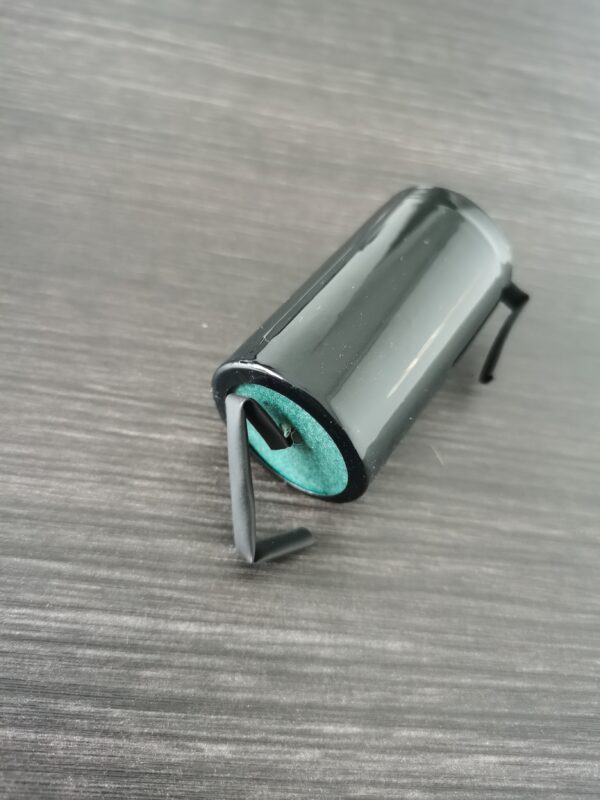
For standard turbidity sensor installations, CR123A, CR17450, and CR2450 coin cell configurations represent the most common form factors. Selection depends on sensor power consumption, physical space constraints, and required service intervals. High-consumption optical sensors typically require cylindrical cells, while newer low-power IoT-enabled sensors can operate effectively with coin cell configurations.
Current Delivery Capabilities
Li-MnO₂ batteries support continuous discharge currents up to 3mA and pulse currents reaching 15mA, accommodating both continuous monitoring and periodic measurement cycles. This flexibility enables sensor manufacturers to optimize power management strategies without compromising battery selection.
Safety and Compliance
Primary Li-MnO₂ cells meet international safety standards including IEC 60086-4, UL 1642, and UN 38.3 transportation requirements. Water treatment facilities operating under strict regulatory frameworks benefit from using certified power sources that eliminate compliance concerns.
Implementation Best Practices
Battery Selection Criteria
When specifying Li-MnO₂ batteries for turbidity sensors, consider the following parameters:
- Capacity requirements based on sensor power consumption and measurement frequency
- Operating temperature range specific to installation location
- Physical dimensions compatible with sensor housing design
- Terminal configuration matching sensor electrical connections
- Shelf life for inventory management and emergency replacements
Installation Considerations
Proper battery installation extends service life and ensures reliable operation. Maintain clean contact surfaces, verify polarity orientation, and secure connections against vibration. For outdoor installations, implement appropriate sealing to prevent moisture ingress that could compromise battery terminals.
Monitoring and Replacement Planning
Implement predictive maintenance schedules based on battery performance data rather than fixed time intervals. Modern sensors often include battery status monitoring, enabling proactive replacement before failure occurs. Maintain adequate spare battery inventory to minimize downtime during replacement procedures.
Conclusion
Li-MnO₂ primary batteries represent the optimal power solution for water treatment plant turbidity sensors, delivering the reliability, longevity, and performance stability that critical infrastructure demands. Facilities specifying these power sources benefit from reduced maintenance costs, improved measurement accuracy, and enhanced operational continuity.
For detailed product specifications and technical consultation regarding Li-MnO₂ battery solutions for your water treatment applications, visit our primary battery product page. Our engineering team stands ready to assist with battery selection, custom configurations, and integration support.
Contact us directly through our contact page to discuss your specific turbidity sensor power requirements and receive customized recommendations aligned with your facility’s operational parameters and budget considerations.
Word Count: Approximately 850 words