
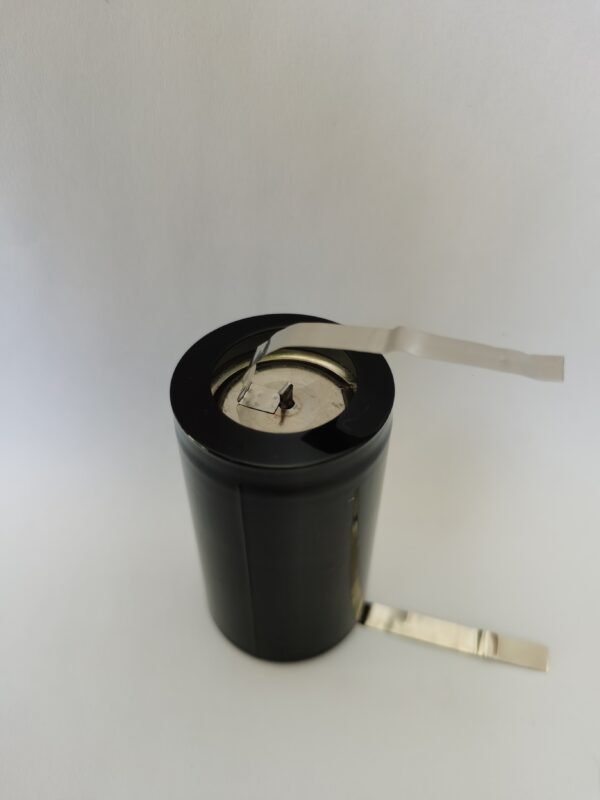
Li-MnO₂ Battery for Animal Tracking Microchip Readers: A Professional Guide for B2B Applications
Introduction
In the rapidly expanding field of animal tracking and identification, reliable power sources are critical for ensuring consistent performance of microchip readers and tracking devices. Lithium Manganese Dioxide (Li-MnO₂) primary batteries have emerged as the preferred choice for B2B manufacturers and system integrators in this sector. This article provides a comprehensive technical overview of Li-MnO₂ battery applications in animal tracking microchip readers, addressing key specifications, performance characteristics, and selection criteria for professional buyers.
Why Li-MnO₂ Batteries Excel in Animal Tracking Applications
Superior Energy Density and Long Service Life
Li-MnO₂ batteries deliver exceptional volumetric energy density, typically ranging from 500 to 700 Wh/L. For animal tracking devices that require extended operational periods without battery replacement, this characteristic proves invaluable. Microchip readers deployed in wildlife monitoring, livestock management, and pet identification systems benefit from service lives exceeding 5-10 years under typical duty cycles.
The nominal voltage of 3.0V provides stable power output throughout the discharge curve, ensuring consistent reader performance from installation through end-of-life. This voltage stability is crucial for RFID scanning accuracy and data transmission reliability in field conditions.
Wide Temperature Range Operation
Animal tracking devices often operate in extreme environmental conditions, from Arctic research stations to tropical wildlife reserves. Li-MnO₂ chemistry supports operational temperatures from -40°C to +85°C, with specialized variants extending to +125°C for demanding applications. This thermal resilience eliminates power-related failures that compromise data collection integrity.
Low Self-Discharge Rate
With annual self-discharge rates below 1% at ambient temperatures, Li-MnO₂ batteries maintain charge during extended storage and deployment periods. For manufacturers building inventory or deploying devices in remote locations, this characteristic reduces warranty claims and ensures devices remain operational after prolonged standby periods.
Technical Specifications for B2B Procurement
Critical Parameters for Microchip Reader Integration
When selecting Li-MnO₂ batteries for animal tracking applications, B2B buyers should evaluate the following specifications:
Capacity Range: Standard offerings span from 50mAh (coin cells) to 3000mAh (cylindrical formats). Microchip readers typically require 500-1500mAh depending on transmission frequency and range requirements.
Pulse Current Capability: Modern tracking devices incorporate GPS and cellular transmission modules requiring high pulse currents up to 100mA. Select batteries with verified pulse discharge specifications matching your device’s peak demand profiles.
Leakage Resistance: Hermetic sealing and laser-welded construction prevent electrolyte leakage, protecting sensitive microchip reader electronics from corrosion damage over extended deployment periods.
Certification Compliance: Ensure batteries meet UN38.3 transportation requirements, IEC60086 safety standards, and RoHS/REACH environmental directives for global market access.
Form Factor Considerations
Li-MnO₂ batteries are available in multiple configurations suitable for animal tracking devices:
- Coin Cells (CR series): Compact designs for lightweight collar-mounted readers
- Cylindrical Cells: Higher capacity options for base stations and gateway devices
- Custom Pack Assemblies: Tailored solutions for specialized tracking platforms
Manufacturers should collaborate with battery suppliers early in the design phase to optimize form factor selection against device constraints and performance requirements.
Implementation Best Practices for Device Manufacturers
Power Management Integration
Effective power management extends battery life and ensures reliable operation. Implement sleep modes between scanning cycles, optimize transmission intervals, and incorporate voltage monitoring to predict end-of-life conditions. Li-MnO₂ batteries exhibit gradual voltage decline rather than abrupt failure, enabling predictive maintenance scheduling.
Storage and Handling Protocols
Maintain batteries at 15-25°C with relative humidity below 65% during storage. Avoid mixing production batches in device assembly to ensure consistent performance across product units. Document battery lot numbers for traceability in quality management systems.
Supply Chain Considerations
Partner with established manufacturers offering consistent quality, technical support, and supply continuity. Evaluate supplier capabilities including production capacity, lead times, custom specification support, and after-sales service. Long-term supply agreements protect against market volatility and ensure component availability throughout product lifecycles.
Quality Assurance and Testing Recommendations
B2B buyers should request comprehensive test data including discharge curves at various temperatures, pulse performance profiles, storage life projections, and safety certification documentation. Conduct incoming quality inspection on sample batches before full-scale production integration. Establish acceptance criteria aligned with device performance requirements and field deployment expectations.
Conclusion
Li-MnO₂ primary batteries represent the optimal power solution for animal tracking microchip readers, combining long service life, environmental resilience, and reliable performance. B2B manufacturers should prioritize partnerships with qualified suppliers who understand application requirements and can deliver consistent quality at scale.
For detailed product specifications and technical consultation on Li-MnO₂ battery solutions, visit our primary battery product page. Our engineering team supports B2B clients with custom specifications, volume pricing, and application-specific guidance.
To discuss your animal tracking power requirements directly, please contact us for personalized consultation and quotation services. We commit to delivering reliable power solutions that enable your tracking devices to perform consistently in the field.
This technical guide serves B2B procurement professionals, device manufacturers, and system integrators evaluating Li-MnO₂ battery options for animal tracking applications. All specifications should be verified against current product datasheets and application requirements.
