
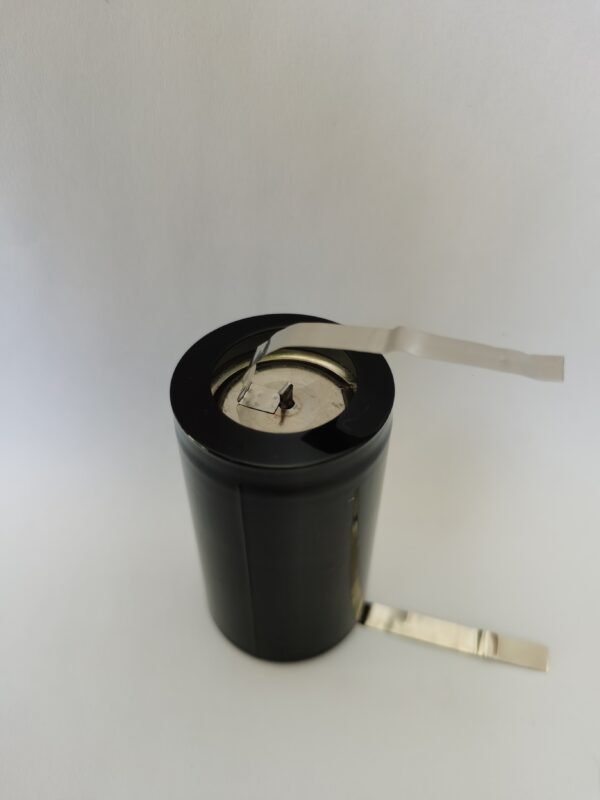
Li-MnO₂ Battery Custom Hermetic Seal Design | China: Engineering Excellence for Demanding Applications
The reliability of lithium manganese dioxide (Li-MnO₂) primary batteries in critical applications hinges fundamentally on one often-overlooked component: the hermetic seal. For engineers and technical procurement specialists sourcing from China, understanding custom hermetic seal design is essential for ensuring long-term performance, safety, and compliance in demanding environments ranging from medical devices to IoT sensors and military equipment.
Understanding Li-MnO₂ Battery Chemistry and Seal Requirements
Li-MnO₂ batteries operate through an electrochemical reaction between lithium metal anodes and manganese dioxide cathodes, delivering a nominal voltage of 3.0V with exceptional energy density. The chemistry demands absolute isolation from moisture and oxygen, as lithium reacts violently with water vapor. This makes hermetic sealing not merely a quality feature but a fundamental safety and performance requirement.
The seal must maintain integrity across temperature ranges from -40°C to +85°C while preventing electrolyte leakage and external contaminant ingress over shelf lives exceeding 10 years. Custom seal designs address application-specific challenges that standard configurations cannot accommodate.
Core Elements of Custom Hermetic Seal Design
1. Glass-to-Metal Seal Technology
The industry-standard approach employs glass-to-metal sealing, where specialized glass formulations create permanent bonds between metal pins and battery casings. This technology provides:
- Leak rates below 1×10⁻⁸ atm·cc/sec helium, ensuring decade-long integrity
- Thermal expansion coefficient matching between glass and metal components to prevent stress fractures during temperature cycling
- Dielectric strength exceeding 500V for electrical isolation in high-voltage applications
Chinese manufacturers have advanced this technology through automated laser welding processes that achieve consistency unattainable with manual assembly.
2. Material Selection for Environmental Resistance
Custom seal designs must account for specific environmental exposures. Marine applications require enhanced corrosion resistance, while downhole oil and gas tools demand pressure ratings exceeding 10,000 psi. Key considerations include:
- Stainless steel 316L or titanium housings for corrosive environments
- Specialized epoxy coatings for additional chemical protection
- Reinforced glass compositions for high-pressure applications
3. Dimensional Customization
Standard battery sizes (CR123A, CR2032, etc.) cannot accommodate all design requirements. Custom seal engineering enables:
- Non-standard form factors for space-constrained devices
- Modified terminal configurations for unique mounting requirements
- Integrated safety features including PTC devices and pressure relief mechanisms
Quality Assurance and Testing Protocols
Reputable Chinese manufacturers implement comprehensive validation procedures aligned with international standards:
- IEC 60086-4 compliance for safety and performance
- UN 38.3 certification for transportation requirements
- Accelerated aging tests simulating 10+ years of storage
- Thermal shock testing from -55°C to +125°C
- Helium mass spectrometry leak detection for seal integrity verification
Procurement teams should request complete test documentation and audit manufacturing facilities for ISO 9001 certification.
Supply Chain Considerations for Global Buyers
China has emerged as a primary sourcing destination for custom Li-MnO₂ battery solutions, offering competitive advantages in engineering capability and production scale. However, successful partnerships require:
- Clear technical specifications documenting all environmental and performance requirements
- Prototype validation cycles before production commitments
- Traceability systems for component-level quality tracking
- Intellectual property protections through comprehensive agreements
Lead times typically range from 8-12 weeks for custom designs, with production volumes scalable from hundreds to millions of units annually.
Technical Support and Collaboration
Engineering collaboration throughout the design process ensures optimal outcomes. Manufacturers should provide:
- Application engineering support for seal design optimization
- Failure analysis capabilities for field return investigation
- Regulatory compliance guidance for target markets
- Continuous improvement programs for cost and performance enhancement
For detailed technical consultations and custom battery solutions, visit our product page to explore comprehensive Li-MnO₂ battery offerings. Our engineering team stands ready to discuss your specific hermetic seal requirements and develop tailored solutions for your applications.
Conclusion
Custom hermetic seal design represents the critical intersection of materials science, precision manufacturing, and application engineering in Li-MnO₂ battery production. For global engineers and procurement professionals, partnering with qualified Chinese manufacturers who demonstrate technical competence, quality systems, and collaborative capabilities ensures reliable power solutions for the most demanding applications.
The investment in proper seal engineering pays dividends through extended service life, reduced field failures, and enhanced end-user safety. As IoT deployments expand and medical device requirements intensify, the importance of custom hermetic seal design will only increase, making informed supplier selection a strategic imperative for technology companies worldwide.
Ready to discuss your custom battery requirements? Contact our technical team for personalized engineering support and competitive quotations tailored to your project specifications.
