
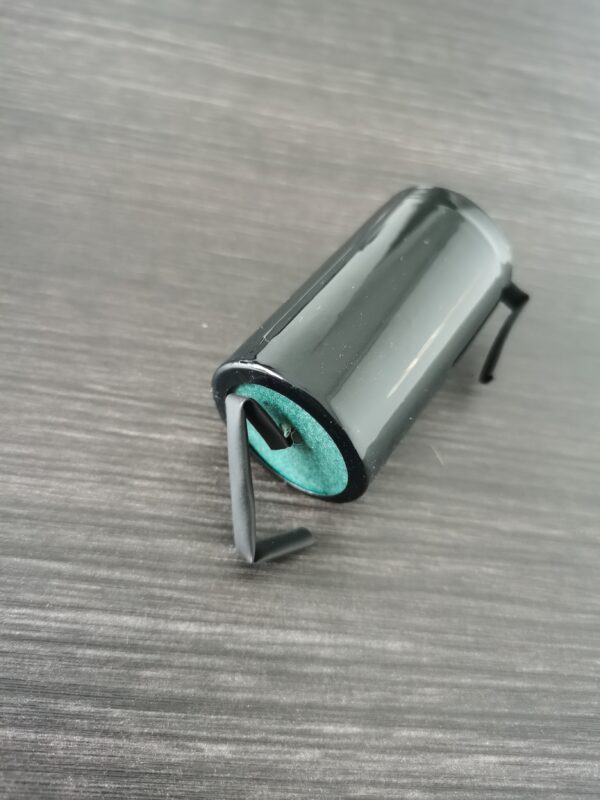
The Definitive Guide to Li-MnO₂ CR1220 Batteries for Motherboard RTC & CMOS Backup
In the intricate ecosystem of modern computing hardware, few components are as critical yet often overlooked as the humble Li-MnO₂ CR1220 battery. While the CPU, GPU, and RAM handle the heavy lifting of data processing, it is this tiny lithium cell that safeguards the fundamental settings of a motherboard when the power is off. For B2B electronics manufacturers, industrial PC assemblers, and supply chain managers in the United States, Canada, and the UK, sourcing a reliable, high-purity lithium coin cell is not just about keeping the clock running; it is about ensuring system integrity, reducing field failures, and maintaining compliance with stringent safety standards.
This article serves as a comprehensive technical dossier on the CR1220. We will dissect the electrochemistry of Lithium-Manganese Dioxide (Li-MnO₂) systems, analyze why this specific chemistry is the industry standard for Real-Time Clock (RTC) and CMOS memory backup, and explore the rigorous manufacturing standards required for enterprise-grade reliability.
Understanding Lithium Primary Batteries: The Science Behind the Stability
Before diving into the specific use case of motherboards, it is essential to establish the foundational advantages of Lithium-Manganese Dioxide (Li-MnO₂) technology over other primary battery chemistries.
Lithium primary batteries are distinct from their lithium-ion counterparts. While lithium-ion batteries are rechargeable (secondary cells), lithium primary batteries are designed for single-use, offering superior energy density and shelf life. The Li-MnO₂ chemistry utilizes lithium metal as the anode and Manganese Dioxide (MnO₂) as the cathode, with a non-aqueous organic electrolyte.
Key Technical Advantages for Industrial Use:
- High Voltage & Stability: Delivering a nominal voltage of 3.0V, these cells provide double the voltage of alkaline counterparts. This high voltage remains remarkably stable throughout 90% of the battery’s discharge life, ensuring consistent power delivery to sensitive motherboard circuits.
- Exceptional Shelf Life: Thanks to the inert nature of lithium and the stability of the electrolyte, these batteries can retain up to 90% of their charge after 10 years of storage. This is vital for inventory management in the electronics supply chain.
- Wide Operational Temperature Range: Unlike aqueous systems that can freeze or leak, Li-MnO₂ batteries typically operate reliably from -20°C to +60°C (-4°F to 140°F), making them suitable for a vast array of environmental conditions encountered during storage, shipping, and operation.
The Critical Role of the CR1220 in Motherboard Functionality
When discussing Motherboard RTC (Real-Time Clock) and CMOS (Complementary Metal-Oxide-Semiconductor) Backup, the battery acts as the “keeper of the BIOS.”
1. Preserving BIOS Settings and System Time
The primary function of the CR120 in a computer motherboard is to power the RTC oscillator and the volatile CMOS RAM chip. Without this power source:
- The system clock resets to a default date (often January 1, 1970, or the BIOS compile date) every time the PC is unplugged.
- Critical hardware configurations—such as boot order, SATA modes, and memory timings—are lost.
- The user is forced to reconfigure the BIOS settings upon every power cycle, leading to significant downtime and user frustration.
2. Why the CR1220 Specifically?
While the CR2032 is the most common motherboard battery, the CR1220 serves a specific niche. Its dimensions (12.5mm diameter x 2.0mm thickness) make it ideal for space-constrained applications.
- Space Efficiency: In ultra-compact motherboards (Mini-ITX, Nano-ITX), laptops, or embedded industrial PCs, the thinner profile of the CR1220 allows designers to save crucial millimeters in the Z-axis (height) of the board layout.
- Low Self-Discharge Current: Motherboards draw an extremely low current (typically 0.5µA to 2µA) to maintain the RTC. The CR1220, with its high internal resistance (a characteristic of Li-MnO₂), is perfectly matched to this micro-power requirement. Using a high-drain battery here would be over-engineering, whereas using a low-quality cell leads to premature failure.
Technical Specifications: CR1220 vs. The Market Standard
To ensure your hardware meets international quality benchmarks, comparing technical specifications is non-negotiable. The following table outlines the critical metrics for a premium-grade CR1220.
| Specification | Standard Metric | Importance for B2B Clients |
|---|---|---|
| Chemistry | Li-MnO₂ (Lithium Manganese Dioxide) | Ensures voltage stability and leak resistance. |
| Nominal Voltage | 3.0V | Powers modern CMOS chips without voltage regulators. |
| Nominal Capacity | 35mAh – 45mAh | Dictates the lifespan of the RTC backup function. |
| Continuous Current | 0.1mA | Sufficient for RTC, prevents thermal issues. |
| Operating Temp. | -20°C to +60°C | Critical for logistics and operation in varied climates. |
| Shelf Life | 10 Years (Typical) | Reduces warranty claims due to dead batteries. |
Note: Capacity can vary slightly based on the actual load and temperature. For mission-critical industrial applications, derating the capacity by 20% for safety margins is recommended.
Common Failure Modes and Quality Assurance
For procurement managers sourcing batteries in bulk, understanding the risks of substandard cells is paramount. The primary enemy of a motherboard is battery leakage.
The Leakage Risk
Low-quality CR1220 cells often use inferior steel cans or inadequate sealing technology. Over time, internal pressure builds, or the seal fails, leading to the leakage of corrosive electrolytes. On a motherboard, this electrolyte can:
- Corrode the copper traces on the PCB.
- Destroy the battery holder (often made of plastic or tin-plated steel).
- Cause permanent short circuits, rendering the entire motherboard scrap.
Quality Control (QC) Imperatives
To mitigate these risks, B2B buyers must prioritize suppliers who adhere to IEC 60086 standards. This international standard governs the dimensions, performance, and safety of primary batteries. Key QC checkpoints include:
- Hermetic Sealing: Ensuring no air or moisture ingress.
- Purity of Electrolyte: Impurities accelerate internal corrosion.
- Dimensional Tolerance: Ensuring the battery fits securely in automated assembly processes or standard holders.
Why Global OEMs Choose CNS BATTERY for CR1220 Solutions
In the competitive landscape of primary battery manufacturing, CNS BATTERY stands out as a strategic partner for businesses requiring industrial-grade reliability. Based in Zhengzhou, China, CNS BATTERY operates at the intersection of advanced R&D and rigorous quality management, making them a preferred vendor for clients seeking stable supply chains.
1. Advanced Manufacturing & R&D Capabilities
CNS BATTERY is not merely an assembler; it is a technology-driven enterprise. Their R&D Center focuses on enhancing the electrochemical stability of Lithium-Manganese Dioxide systems. By controlling the entire production process—from electrode formulation to final sealing—they ensure that every CR1220 cell meets the exacting standards required for CMOS backup applications.
2. Global Supply Chain Reliability
For international clients, logistics and compliance are as important as the product itself. CNS BATTERY offers:
- Customization: Tailoring voltage discharge curves or packaging for specific OEM requirements.
- Certification Compliance: Adherence to global shipping regulations (IATA, IMDG) and environmental directives (RoHS, REACH), ensuring smooth customs clearance into the US, EU, and UK markets.
3. Technical Support and Consultation
Understanding that every motherboard design is unique, CNS BATTERY provides dedicated technical consultation. Whether you are designing a new embedded system or troubleshooting a field failure related to power retention, their engineering team offers data-driven solutions.
Conclusion: Securing Your Hardware’s Foundation
The Li-MnO₂ CR1220 battery is a deceptively simple component with a mission-critical role. It is the silent guardian of system time and configuration data. For businesses operating in the electronics sector, cutting corners on this component leads to catastrophic brand damage through field failures and corrosion.
By choosing a manufacturer like CNS BATTERY, which blends advanced lithium technology with strict quality governance, you are not just buying a battery; you are investing in the longevity and reputation of your hardware products.
If you are currently sourcing Primary Batteries for industrial, automotive, or consumer electronics applications, we invite you to explore our full range of technical solutions and discuss how we can support your specific requirements.
- Explore our Primary Battery Product Line: Primary Battery Product Center
- Contact Our Technical Sales Team: Contact Us for Expert Consultation
