
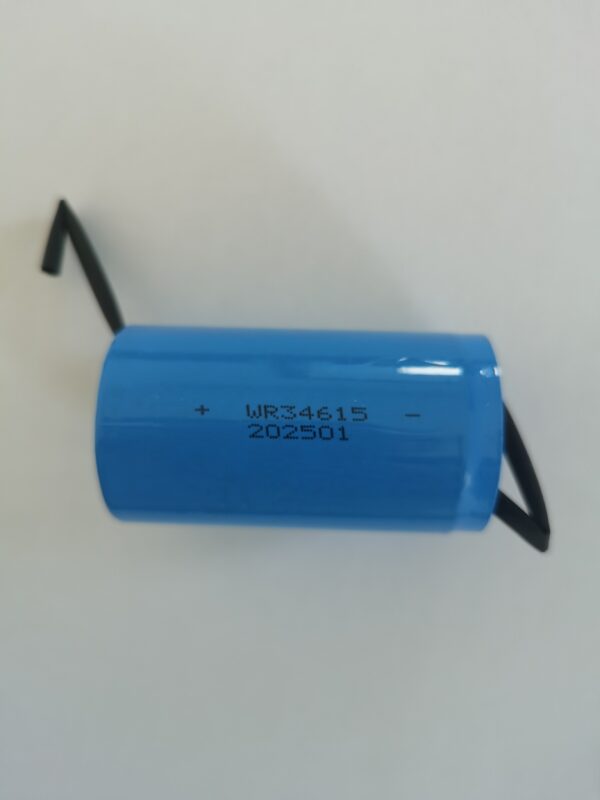
Here is the SEO-optimized article tailored for your requirements.
The Ultimate Power Source: Li-MnO₂ Batteries for Medical Glucose Monitoring
In the high-stakes world of medical diagnostics, accuracy is non-negotiable. For manufacturers of Blood Glucose Monitors (BGMs) and Glucose Meters, the choice of power source is not merely about turning the device on; it is about ensuring consistent, reliable performance across the entire lifespan of the product. Lithium Manganese Dioxide (Li-MnO₂) batteries have emerged as the industry standard for these critical medical devices. This article delves into the technical advantages of Li-MnO₂ chemistry, specifically analyzing why it outperforms alternatives in the demanding environment of glucose monitoring.
Why Li-MnO₂ Chemistry Dominates Medical Glucose Meters
When designing a portable medical device like a Glucose Meter, engineers must balance size constraints with the need for long-term stability. The Li-MnO₂ battery offers a unique electrochemical profile that aligns perfectly with these requirements.
1. High and Stable Voltage Output
Unlike alkaline batteries that experience a gradual voltage drop, Li-Mn0₂ cells provide a nominal voltage of 3.0V. More importantly, they maintain a flat discharge curve for the majority of their life cycle. For a Blood Glucose Monitor, this stability is crucial. The microprocessors and sensors within these devices require a consistent power supply to deliver accurate readings. Voltage fluctuations can lead to sensor errors or calibration drift, potentially compromising patient health data.
2. Unmatched Shelf Life and Reliability
Medical devices often sit on pharmacy shelves or in emergency kits for years before use. The Li-MnO₂ chemistry boasts an incredibly low self-discharge rate—typically less than 1% per year. This means a Glucose Meter powered by a Li-MnO₂ battery can sit unused for a decade and still function at peak capacity when needed. This reliability is a cornerstone of medical safety standards.
3. Robust Safety Profile
Safety is paramount in medical applications. Li-MnO₂ batteries utilize a non-aqueous organic electrolyte, which eliminates the risk of leakage associated with aqueous electrolytes found in zinc-carbon or alkaline batteries. Furthermore, the inherent stability of the Manganese Dioxide (MnO₂) cathode material makes these cells thermally robust, reducing the risk of thermal runaway even under extreme conditions.
Technical Deep Dive: The Science Behind the Power
To understand the superiority of the Li-MnO₂ battery in Glucose Meters, we must examine the electrochemical reaction.
- Anode: Metallic Lithium (Li)
- Cathode: Manganese Dioxide (MnO₂)
- Electrolyte: Lithium salt in an organic solvent (typically Lithium Perchlorate in Propylene Carbonate/Dioxolane).
The discharge reaction involves the intercalation of Lithium ions into the Manganese Dioxide crystal structure. This process is highly efficient and does not involve the breakdown of the electrolyte or the formation of gas, which is why these batteries do not vent or leak under normal operating conditions.
Compared to Lithium-Ion (Li-ion) rechargeable cells, the primary (non-rechargeable) nature of Li-MnO₂ cells eliminates the need for complex Battery Management Systems (BMS). For a disposable or long-life diagnostic device, this simplifies the hardware design and reduces the Bill of Materials (BOM) cost.
Designing for the Future of Glucose Monitoring
Modern Glucose Meters are evolving beyond simple strip readers. Many now incorporate Bluetooth connectivity, large color LCD screens, and data storage capabilities. While these features increase power demands, the high energy density of the Li-MnO₂ battery allows manufacturers to maintain a compact form factor.
Key Design Considerations:
- Pulse Load Performance: Glucose Meters often require a high current pulse during the measurement cycle. Li-MnO₂ cells are capable of delivering these pulses reliably without significant voltage sag.
- Temperature Tolerance: Whether stored in a hot car or a cold medicine cabinet, Li-MnO₂ batteries function effectively across a wide temperature range (-20°C to +60°C), ensuring global usability.
Partnering with a Specialist for Medical Power Solutions
Selecting the right battery partner is as critical as the chemistry itself. For Original Equipment Manufacturers (OEMs) developing the next generation of Blood Glucose Monitors, working with a supplier that understands the nuances of medical certification and quality control is essential.
CNS Battery specializes in providing high-reliability primary lithium batteries tailored for the medical industry. With a focus on advanced manufacturing and rigorous quality management, we ensure that every Li-MnO₂ cell meets the stringent demands of medical device engineering.
Note: For engineers and technical procurement managers seeking a reliable power solution for their Glucose Meter designs, exploring a partnership with a dedicated battery specialist ensures your device operates with maximum accuracy and longevity.
If you are looking for a robust, long-lasting power solution for your medical or industrial application, we invite you to explore our range of Primary Battery products designed for performance and safety.
For specific technical inquiries or to discuss a custom solution for your Glucose Meter project, please Contact Us today.
