
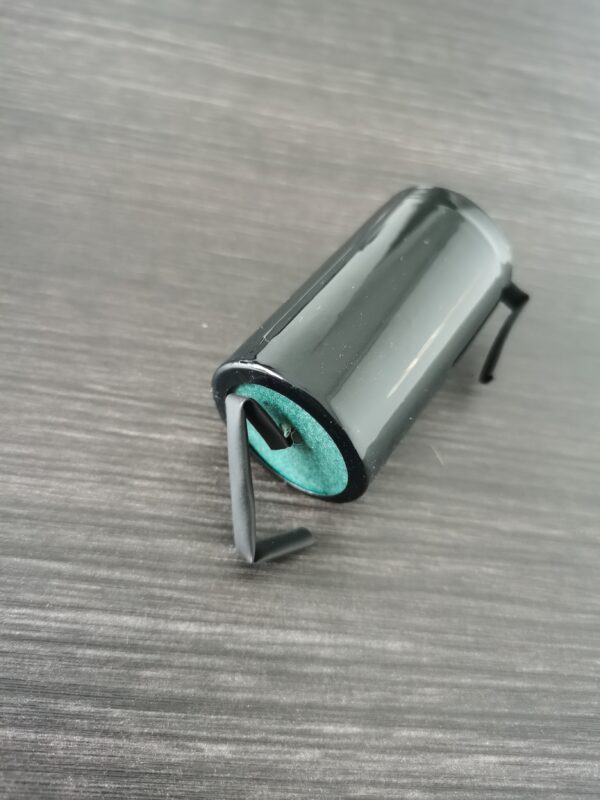
Li-MnO₂ Battery for Electronic Shelf Labels (ESL) Retail Systems
Powering the Future of Smart Retail with Primary Lithium Technology
Electronic Shelf Labels (ESL) have revolutionized retail operations across North America, Europe, and Asia-Pacific markets, enabling dynamic pricing, real-time inventory management, and enhanced customer experiences. At the heart of these systems lies a critical component: the primary lithium battery. Among available chemistries, Lithium Manganese Dioxide (Li-MnO₂) batteries have emerged as the optimal power solution for ESL applications, delivering exceptional performance in diverse environmental conditions while meeting stringent regional compliance standards.
Technical Fundamentals of Li-MnO₂ Chemistry
Li-MnO₂ batteries operate on a straightforward electrochemical principle. The anode consists of lithium metal, while the cathode utilizes manganese dioxide (MnO₂) as the active material. During discharge, lithium ions migrate through the electrolyte from anode to cathode, generating a nominal voltage of 3.0V. This chemistry offers several inherent advantages for ESL deployments:
- Stable Voltage Platform: Maintains consistent output throughout 80% of discharge cycle
- Low Self-Discharge Rate: Approximately 1% per year at 20°C, enabling 10+ year shelf life
- Wide Operating Temperature: Functions reliably from -40°C to +85°C
- High Energy Density: Delivers 280-300 Wh/kg, minimizing battery replacement frequency
Critical Performance Parameters for ESL Applications
Pulse Current Capability
Modern ESL systems require intermittent high-current pulses for e-paper display updates and wireless communication (typically 2.4GHz or Sub-1GHz protocols). Li-MnO₂ cells from CNS Battery deliver pulse currents up to 15mA with voltage recovery within 500ms, ensuring reliable tag synchronization across large retail environments.
Capacity Retention Under Load
For standard CR2032 and CR2477 form factors, capacity retention exceeds 90% after 5 years of typical ESL duty cycles (2-4 updates daily). This translates to reduced maintenance costs and minimized store operation disruptions—critical factors for retail chains operating across the EU and North America.
Temperature Resilience
Retail environments vary significantly: refrigerated sections maintain 2-8°C, while warehouse storage may experience extreme seasonal fluctuations. Li-MnO₂ chemistry maintains 85% capacity at -20°C and 95% at +60°C, outperforming alternative chemistries in temperature-stress testing per IEC 60086-4 standards.
Standardized Testing Methodologies
Reliable ESL battery selection requires validation through internationally recognized test protocols:
IEC 60086-1/2 Compliance: Validates dimensional specifications, electrical performance, and safety requirements for primary lithium batteries sold in European markets.
UL 1642 Certification: Mandatory for North American deployments, covering cell safety under abuse conditions including crush, overcharge, and thermal exposure.
UN 38.3 Transportation Testing: Ensures safe global shipping across air, sea, and ground freight—essential for retailers managing multi-regional supply chains.
Custom Pulse Testing: Simulates actual ESL workload patterns (idle current 5μA, transmit pulse 10mA/500ms, 4 times daily) over accelerated life cycles to predict field performance.
Regional Compliance and Technical Barriers
European Union Market Requirements
ESL systems deployed across EU member states must comply with RoHS 2011/65/EU restrictions on hazardous substances and REACH regulation (EC) No 1907/2006 for chemical safety. Additionally, the EU Battery Regulation 2023/1542 introduces enhanced traceability and carbon footprint disclosure requirements effective 2026. CNS Battery’s Li-MnO₂ cells meet all current and upcoming EU standards, with full documentation packages available for technical procurement teams.
United States Regulatory Framework
North American retailers require UL recognition and compliance with California Proposition 65 labeling requirements. FCC Part 15 certification applies to wireless ESL systems, indirectly affecting battery selection due to RF transmission power constraints. CNS Battery maintains UL-certified manufacturing facilities with batch-level traceability supporting US retail compliance audits.
Asia-Pacific Considerations
Markets including Japan, South Korea, and Australia enforce PSE, KC, and RCM certifications respectively. Temperature performance becomes critical in Southeast Asian climates where ambient conditions regularly exceed 35°C with high humidity. Li-MnO₂ chemistry demonstrates superior moisture resistance compared to Li-SOCl₂ alternatives, reducing corrosion-related failure rates in tropical retail environments.
Strategic Procurement Recommendations
Technical buyers evaluating Li-MnO₂ batteries for ESL deployments should prioritize manufacturers offering:
- Regional Certification Portfolios: Complete documentation for target markets (EU, US, APAC)
- Batch Consistency: Capacity variance <3% within production lots
- Technical Support: Application engineering assistance for integration optimization
- Supply Chain Transparency: Conflict mineral compliance and responsible sourcing verification
CNS Battery provides comprehensive primary lithium solutions engineered specifically for ESL applications, with manufacturing processes aligned to ISO 9001:2015 quality management standards. Our technical team supports customers through specification selection, validation testing, and regulatory compliance documentation.
For detailed product specifications and regional compliance inquiries, visit our primary battery product page. Technical procurement teams seeking customized solutions or certification documentation can contact our engineering team directly.
Conclusion
Li-MnO₂ battery technology represents the optimal balance of performance, safety, and regulatory compliance for Electronic Shelf Label systems across global retail markets. As ESL adoption accelerates—with market projections exceeding $3.5 billion by 2027—battery selection becomes a strategic differentiator affecting total cost of ownership, maintenance schedules, and customer experience consistency. Partnering with manufacturers who understand regional technical barriers and maintain rigorous quality standards ensures successful long-term deployments across diverse retail environments from Berlin to Boston, Tokyo to Toronto.
