
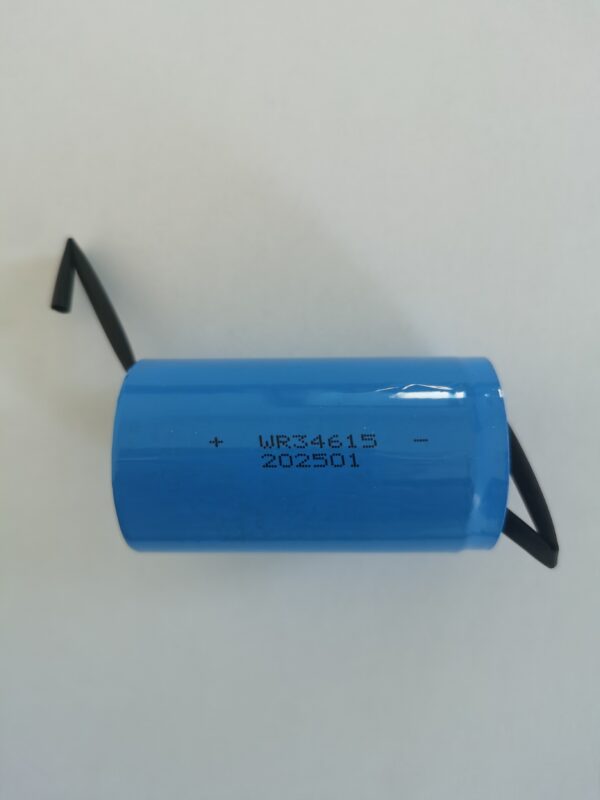
Li-MnO₂ Battery for Digital Camera & Flash Units: Technical Deep-Dive for Engineering Professionals
Introduction
Lithium Manganese Dioxide (Li-MnO₂) primary batteries have become the definitive power solution for digital cameras and professional flash units. As imaging equipment demands higher pulse currents, extended shelf life, and reliable performance across extreme temperatures, understanding the technical specifications and compliance frameworks of Li-MnO₂ cells is critical for engineers and technical procurement specialists. This analysis provides a comprehensive breakdown of Li-MnO₂ battery technology, performance parameters, testing methodologies, and regional compliance requirements essential for global market deployment.
Core Technical Advantages of Li-MnO₂ Chemistry
Electrochemical Foundation
Li-MnO₂ batteries utilize metallic lithium as the anode and manganese dioxide as the cathode within a non-aqueous organic electrolyte system. The fundamental reaction (Li + MnO₂ → LiMnO₂) delivers a nominal voltage of 3.0V—approximately double that of conventional alkaline cells. This chemistry provides specific energy exceeding 250 Wh/kg and volumetric energy density above 500 Wh/L, making it ideal for compact imaging equipment where space constraints are paramount.
Key Performance Parameters
Voltage Stability: Li-MnO₂ cells maintain a flat discharge curve throughout 80% of their capacity, ensuring consistent flash recycling times and camera operation without voltage sag. This characteristic is particularly crucial for professional photography equipment requiring predictable performance during extended shooting sessions.
Pulse Current Capability: Modern CR123A and CR2 format Li-MnO₂ batteries support continuous discharge currents up to 1,500mA with pulse capabilities reaching 3,000mA. This high-rate discharge performance enables rapid flash capacitor charging, reducing recycle time between shots from seconds to sub-second intervals.
Temperature Range: Operating specifications span -40°C to +70°C, allowing reliable deployment in arctic photography, desert expeditions, and industrial imaging applications where temperature extremes would compromise alternative chemistries.
Self-Discharge Rate: Annual capacity loss remains below 2%, providing 10-year shelf life under proper storage conditions. This extended storage capability reduces inventory turnover costs for equipment manufacturers and distributors.
Testing Methodologies and Quality Validation
IEC 60086 Compliance Framework
The International Electrotechnical Commission’s IEC 60086 series establishes the global baseline for primary battery standards. For Li-MnO₂ cells, four critical components apply:
IEC 60086-1 (General Principles): Defines terminology, marking requirements, and general testing procedures. All Li-MnO₂ batteries must display clear polarity indicators, chemistry designation, and manufacturing date codes.
IEC 60086-2 (Physical and Electrical Specifications): Establishes dimensional tolerances for standard formats (CR123A: 17.0mm × 34.5mm; CR2: 15.6mm × 27.0mm), ensuring mechanical compatibility across camera manufacturers. Electrical testing includes capacity verification at specified discharge rates and end-voltage thresholds.
IEC 60086-3 (Performance Testing): Covers discharge characteristics under various load conditions, temperature cycling performance, and leakage resistance validation. Testing protocols simulate real-world usage patterns including intermittent high-current pulses typical of flash operation.
IEC 60086-4 (Safety of Lithium Batteries): Addresses safety under foreseeable misuse conditions including external short-circuit, forced discharge, thermal shock, vibration, and altitude simulation. This standard is mandatory for air transport certification under UN 38.3 requirements.
Advanced Validation Procedures
Professional-grade Li-MnO₂ batteries undergo additional testing beyond baseline compliance:
- Accelerated Life Testing: Elevated temperature storage (60°C for 90 days) simulates 10-year ambient storage to verify self-discharge specifications
- Pulse Endurance Cycling: Repeated high-current discharge cycles validate flash unit compatibility over the battery’s service life
- Leakage Resistance: Post-discharge and post-storage visual inspection ensures no electrolyte migration that could damage sensitive camera electronics
Regional Compliance and Market Access
European Union Requirements
EU market entry requires CE marking supported by EN 60086 series compliance (the European adoption of IEC 60086). Additionally, RoHS Directive 2011/65/EU restricts hazardous substances, while REACH Regulation (EC) No 1907/2006 mandates chemical substance registration. Battery Directive 2006/66/EC establishes labeling requirements including the crossed-out wheeled bin symbol and capacity markings. For professional equipment suppliers, maintaining technical documentation demonstrating conformity assessment is essential for market surveillance compliance.
United States Standards
US market access requires UL 1642 certification for lithium primary cells, covering safety testing for electrical, mechanical, and environmental stress conditions. UN 38.3 certification is mandatory for transportation, including air freight under IATA Dangerous Goods Regulations. ANSI C18 standards provide additional guidance on terminology and testing methods. California Proposition 65 compliance requires appropriate warnings if batteries contain chemicals listed by the state.
Technical Barriers and Competitive Differentiation
Manufacturers serving global markets must navigate varying regional requirements while maintaining product consistency. Leading suppliers achieve competitive advantage through:
- Multi-Certification Portfolio: Simultaneous compliance with IEC, UL, CE, and UN 38.3 reduces time-to-market for equipment manufacturers
- Supply Chain Traceability: Full material disclosure and conflict mineral compliance support customer ESG requirements
- Application-Specific Optimization: Custom discharge profiles tailored for camera and flash unit load characteristics
CNS Battery has established comprehensive technical capabilities addressing these regional compliance requirements, offering Li-MnO₂ solutions engineered for global deployment. For detailed technical specifications and compliance documentation, visit https://cnsbattery.com/primary-battery/. Engineering teams requiring application support or custom validation can connect through https://cnsbattery.com/primary-battery-contact-us/.
Conclusion
Li-MnO₂ battery technology represents the optimal power solution for digital cameras and flash units, delivering the voltage stability, pulse performance, and environmental resilience demanded by professional imaging equipment. Successful deployment requires thorough understanding of electrochemical characteristics, rigorous testing against international standards, and strategic navigation of regional compliance frameworks. As imaging technology continues advancing toward higher power demands and extended operational lifetimes, Li-MnO₂ primary batteries will remain the foundational power source enabling reliable performance across diverse geographic and environmental conditions. Technical procurement professionals should prioritize suppliers demonstrating comprehensive certification portfolios and application engineering support to ensure seamless global market access.
