
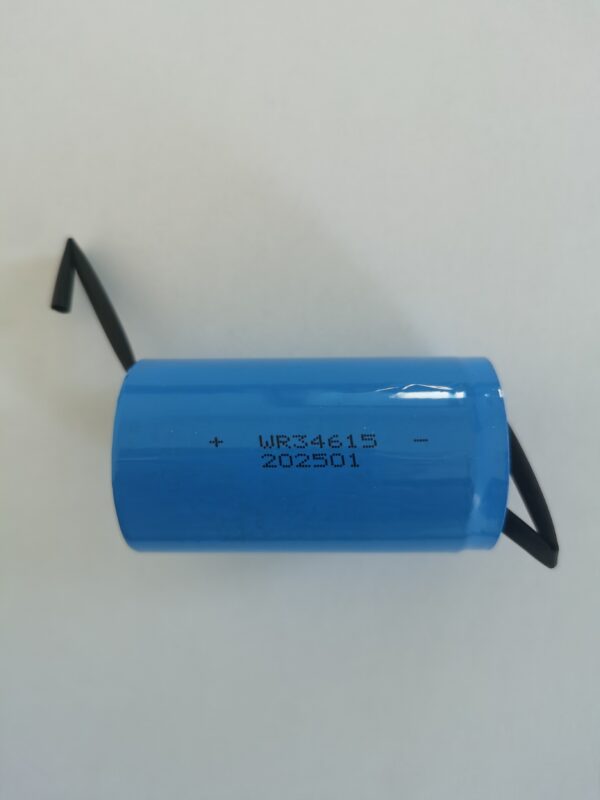
KC Certified Lithium Battery | South Korea Market Approved
For engineers and technical procurement specialists targeting the South Korean electronics market, understanding KC certification for lithium metal primary batteries is not optional—it is mandatory. The Korea Certification (KC) mark represents compliance with stringent safety standards enforced by the Korean Agency for Technology and Standards (KATS). This article provides a comprehensive technical overview of KC-certified lithium primary batteries, essential testing protocols, and critical compliance requirements for 2026 market entry.
Understanding KC Certification for Primary Lithium Batteries
KC certification is South Korea’s mandatory safety certification system for electrical products, including non-rechargeable lithium batteries. Unlike secondary (rechargeable) lithium-ion batteries governed under KC 62133, primary lithium batteries fall under specific regulatory frameworks aligned with international standards such as IEC 60086-4:2025.
The certification ensures that lithium metal batteries operate safely under normal use conditions and reasonably foreseeable misuse scenarios. Products requiring KC marking include lithium manganese dioxide (Li-MnO₂), lithium thionyl chloride (Li-SOCl₂), and lithium iron disulfide (Li-FeS₂) chemistries commonly deployed in IoT devices, medical equipment, smart meters, and automotive key systems.
Core Technical Requirements and Testing Standards
1. Safety Testing Protocols
KC certification for primary lithium batteries mandates comprehensive safety evaluations covering multiple failure modes. Key test items include:
- External Short Circuit Testing: Evaluates battery response when positive and negative terminals are connected with minimal resistance
- Temperature Cycling: Assesses structural integrity across extreme temperature ranges (-40°C to +85°C)
- Impact and Crush Testing: Simulates mechanical abuse during transportation and installation
- Forced Discharge: Tests reverse polarity tolerance in multi-cell configurations
- Thermal Shock: Validates performance under rapid temperature transitions
These protocols align closely with IEC 60086-4:2025 requirements, ensuring global compliance compatibility while meeting Korea-specific regulatory expectations.
2. Chemistry-Specific Considerations
Lithium metal primary batteries offer distinct advantages including high energy density (up to 280 Wh/kg), extended shelf life (10+ years), and wide operating temperature ranges. However, each chemistry presents unique safety considerations:
Lithium Manganese Dioxide (CR series): Most common for consumer electronics, featuring nominal 3.0V output with stable discharge characteristics. KC certification requires validation of vent mechanisms and thermal runaway prevention.
Lithium Thionyl Chloride (ER series): Preferred for industrial applications requiring high capacity and extreme temperature performance. Additional testing focuses on pressure relief systems and electrolyte containment.
Lithium Iron Disulfide (FR series): Emerging chemistry for high-drain applications, requiring specific evaluation of discharge rate capabilities and heat generation profiles.
Documentation and Compliance Pathway
Successful KC certification requires comprehensive technical documentation submitted through authorized Korean testing laboratories such as KTL (Korea Testing Laboratory) or KTR (Korea Testing & Research Institute). Essential documentation includes:
- Product specifications and chemical composition declarations
- Manufacturing process quality control records
- Previous certification reports (IEC, UL, UN38.3)
- Label artwork showing KC mark placement requirements
The certification process typically requires 4-8 weeks depending on product complexity and testing laboratory capacity. Certificate validity extends indefinitely provided no design modifications occur, though periodic factory audits may apply for certain product categories.
Market Access Strategy for 2026
South Korea represents a high-value market for primary battery applications, particularly in semiconductor equipment, medical devices, and smart infrastructure. Recent 2025-2026 regulatory updates have streamlined certain low-risk product categories while maintaining rigorous safety oversight for higher-capacity batteries.
Technical procurement teams should prioritize suppliers with established KC certification track records and local Korean representation for ongoing compliance support. Battery specifications must clearly indicate KC certification status on datasheets and packaging materials.
For detailed product specifications and technical consultation on KC-certified primary lithium batteries, visit our comprehensive product portfolio at https://cnsbattery.com/primary-battery/. Our engineering team provides application-specific recommendations ensuring optimal performance while maintaining full regulatory compliance.
Critical Implementation Guidelines
When integrating KC-certified primary batteries into product designs, engineers must observe several critical parameters:
Labeling Requirements: The KC mark must be permanently affixed to the battery surface or minimum packaging unit, measuring no less than 3mm in height. Accompanying text should include certification number and manufacturer identification.
Transportation Compliance: All lithium primary batteries must additionally satisfy UN38.3 transportation requirements, including altitude simulation, vibration, and external short circuit testing. KC certification does not replace but complements these international shipping standards.
End-Product Integration: Final assembled products containing KC-certified batteries may require additional system-level certification depending on application category and power output specifications.
Conclusion
KC certification represents a critical gateway for primary lithium battery market entry into South Korea’s sophisticated electronics ecosystem. Understanding the technical requirements, testing protocols, and documentation pathways enables engineers and procurement specialists to navigate compliance efficiently while minimizing time-to-market delays.
Partnering with experienced battery manufacturers who maintain active KC certifications ensures reliable supply chain continuity and regulatory confidence. For technical inquiries and certification documentation support, contact our specialist team at https://cnsbattery.com/primary-battery-contact-us/.
As South Korea continues strengthening its position as a global technology hub, KC-certified lithium primary batteries will remain essential components powering the next generation of connected devices, medical systems, and industrial applications. Proactive compliance planning today secures market access opportunities for tomorrow’s innovative products.
