
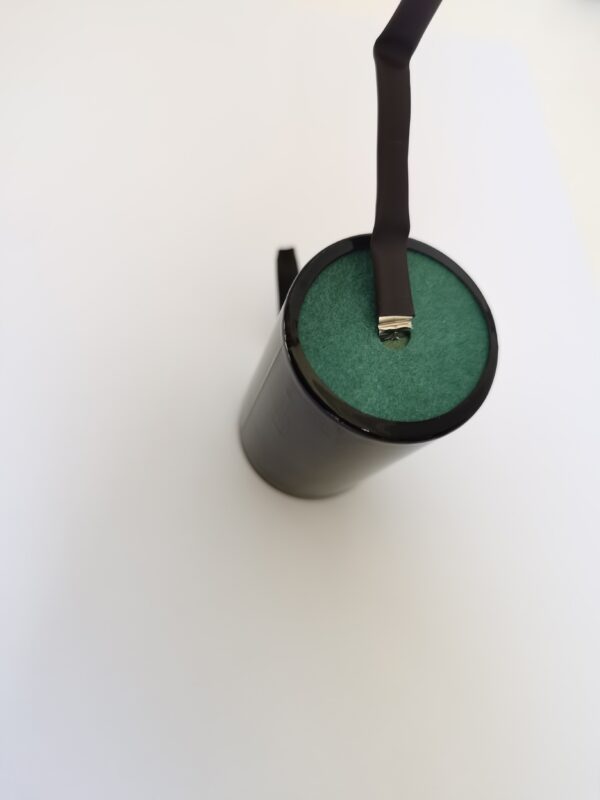
KC Certified Lithium Battery for South Korea Market
Entering the South Korean battery market requires more than quality products—it demands full regulatory compliance. For manufacturers and distributors of primary lithium batteries (lithium metal non-rechargeable cells), obtaining KC Certification is the mandatory gateway to market access. As a professional in the lithium battery industry, understanding the technical and regulatory landscape is essential for successful market penetration in 2026.
Understanding KC Certification for Primary Lithium Batteries
KC Certification (Korea Certification) is a compulsory safety certification system administered by the Korean Agency for Technology and Standards (KATS) under the Electrical Appliances and Consumer Products Safety Control Act. Unlike rechargeable lithium-ion batteries governed by KC 62133, primary lithium batteries fall under specific safety standards tailored for non-rechargeable lithium metal chemistry.
The certification ensures that lithium batteries meet stringent safety requirements before entering the South Korean marketplace. Without valid KC marking, products cannot be legally imported, distributed, or sold within South Korea—a market valued at over $600 billion in electronic and electrical consumption.
Core Technical Requirements for KC Compliance
1. Applicable Safety Standards
Primary lithium batteries must comply with KC-specific safety standards aligned with international IEC frameworks. Key testing parameters include:
- Electrical safety testing: Overcharge, short-circuit, and forced discharge evaluations
- Mechanical safety testing: Vibration, shock, and crush resistance assessments
- Environmental testing: Temperature cycling, thermal abuse, and humidity exposure
- Chemical stability: Electrolyte leakage and venting behavior under stress conditions
For lithium metal cells (CR series, ER series, etc.), additional focus is placed on thermal runaway prevention and internal pressure management, given the higher energy density of lithium metal chemistry compared to alkaline alternatives.
2. Documentation Requirements (2025-2026 Updates)
Recent regulatory updates have strengthened documentation requirements. Exporters must prepare:
- Korean-language user manuals with safety warnings
- Circuit diagrams and PCB layout drawings (for battery packs)
- Bill of Materials (BOM) with KC or CB-certified component proofs
- MSDS (Material Safety Data Sheets) for electrolyte and cell components
- Factory inspection reports (for mandatory safety certification category)
Since January 2025, random inspection frequency has increased from 2% to 3%, and non-compliance fines have risen to 300 million KRW. Proper documentation is no longer optional—it is critical for customs clearance and market continuity.
3. Certification Categories and Validity
KC Certification operates under a dual-track system based on risk classification:
- Mandatory Safety Certification: High-risk products requiring factory audits and annual surveillance. Certificate validity depends on product consistency maintenance.
- Self-Regulatory Safety Confirmation: Medium-to-low risk products with 5-year certificate validity and no annual factory audits.
Most primary lithium batteries for consumer electronics fall under the self-regulatory category, but industrial or high-capacity applications may require mandatory certification.
Why KC Certification Matters for B2B Stakeholders
For importers, distributors, and OEM partners, KC-certified batteries provide:
- Legal market access: Avoid customs detention and penalties
- Brand credibility: KC marking signals compliance to Korean consumers and B2B buyers
- Supply chain stability: Prevent shipment delays and contract breaches
- Competitive advantage: Differentiate from non-compliant competitors
In 2026, South Korean customs authorities have intensified enforcement. Cases of one-month customs detention due to missing thermal runaway testing have resulted in significant financial losses for unprepared exporters.
Technical Differentiators of Primary Lithium Batteries
Primary lithium batteries (lithium metal) offer distinct advantages over rechargeable alternatives:
- Higher energy density: Ideal for long-life, low-drain applications
- Extended shelf life: Up to 10 years storage capability
- Wide temperature range: Operational stability from -40°C to +85°C
- No self-discharge concerns: Suitable for backup and emergency devices
Common applications include IoT sensors, medical devices, smart meters, automotive key fobs, and military equipment—all requiring KC certification for South Korean deployment.
Partnering for KC Compliance Success
Navigating KC Certification requires expertise in both technical testing and regulatory navigation. Working with experienced manufacturers who understand Korean market requirements reduces time-to-market and compliance risks.
For detailed product specifications and technical consultation on KC-certified primary lithium batteries, visit our primary battery product portfolio.
Our team provides comprehensive support including pre-certification testing guidance, documentation preparation, and liaison with KATS-accredited laboratories (KTL, KTR, KTC) to streamline your certification journey.
Conclusion: Strategic Market Entry Through Compliance
The South Korean battery market presents significant opportunities for manufacturers who prioritize regulatory compliance. KC Certification is not a barrier—it is a competitive enabler that validates product quality and safety.
For businesses seeking to establish or expand their presence in South Korea, investing in KC-certified primary lithium batteries is a strategic imperative. With proper preparation, technical understanding, and the right manufacturing partners, market entry becomes a structured, predictable process.
To initiate your KC certification consultation or request product documentation, contact us at CNS Battery Primary Battery Contact.
Keywords for Geo SEO: KC certified lithium battery South Korea, primary lithium battery KC certification, Korea battery market compliance, lithium metal battery KATS requirements, KC 62133 primary battery, South Korea battery import regulations 2026
