
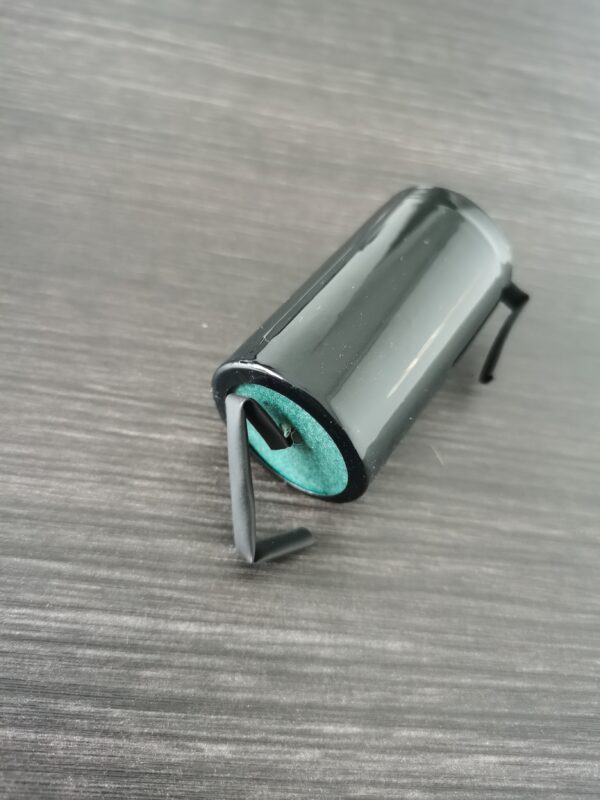
Japan RoHS Compliant Primary Lithium Batteries: A Professional Guide for B2B Buyers
Introduction
In the rapidly evolving landscape of electronic component manufacturing, compliance with regional environmental regulations has become a critical factor for business success. For companies sourcing primary lithium batteries for the Japanese market, understanding Japan RoHS compliance requirements is essential. Unlike the European Union’s restrictive approach, Japan implements the J-MOSS certification system based on JIS C 0950 standard, which focuses on chemical substance identification and disclosure rather than outright prohibition. This article provides comprehensive insights for B2B buyers seeking reliable, compliant lithium metal battery solutions for Japanese market entry.
Understanding Japan’s RoHS Framework: J-MOSS Certification
The J-MOSS System Explained
Japan’s approach to hazardous substance control differs fundamentally from EU RoHS directives. The J-MOSS (Japan Marking for Presence of Specific Chemical Substances) certification derives its name from the Japanese Industrial Standard JIS C 0950, which establishes requirements for marking the presence of specific chemical substances in electrical and electronic equipment.
Key Characteristics:
- Disclosure-based regulation: Rather than banning substances, J-MOSS requires manufacturers to identify and disclose the presence of controlled materials
- Seven controlled substances: Lead, mercury, cadmium, hexavalent chromium, PBB, PBDE, and specific phthalates
- Threshold limits: Generally aligned with international standards (0.1% for most substances, 0.01% for cadmium)
- Product scope: Covers batteries and battery-containing electronic devices sold in Japan
Compliance Requirements for Primary Lithium Batteries
Primary lithium batteries (lithium metal batteries) destined for the Japanese market must meet specific chemical composition and labeling requirements:
Material Compliance:
- All battery components must undergo substance screening
- Homogeneous material testing for controlled substances
- Supply chain documentation and declaration management
- Technical file maintenance for minimum 10 years
Labeling Obligations:
- J-MOSS marking on products or packaging
- Clear identification of substance presence
- Japanese language documentation for end-users
- Traceability codes for batch tracking
Technical Considerations for Lithium Metal Battery Compliance
Chemical Composition Control
Manufacturers must implement rigorous quality control systems to ensure compliance:
Cathode and Anode Materials:
- Verification of raw material purity
- Supplier certification and audit programs
- Regular third-party testing protocols
- Documentation of material sourcing
Electrolyte and Separator Systems:
- Non-hazardous solvent formulations
- Phthalate-free plasticizers
- Heavy metal-free additives
- Comprehensive SDS documentation
Testing and Certification Process
Achieving J-MOSS compliance requires systematic testing and documentation:
Step 1: Material Analysis
- XRF screening for initial assessment
- ICP-MS confirmation testing for borderline results
- GC-MS analysis for organic compounds
- Testing accredited laboratories (ISO 17025)
Step 2: Documentation Preparation
- Technical construction files
- Declaration of Conformity
- Supply chain declarations
- Risk assessment reports
Step 3: Marking and Labeling
- J-MOSS symbol application
- Product identification codes
- Compliance statement in Japanese
- Packaging requirements
Market Trends and 2026 Regulatory Updates
Emerging Compliance Landscape
The year 2026 marks significant developments in battery regulation globally:
Japan-Specific Changes:
- Updated JIS Z 7252 and Z 7253 standards aligning with international GHS requirements
- Enhanced chemical safety management systems
- Stricter enforcement of substance disclosure requirements
- Increased focus on battery passport initiatives
Industry Events:
The 25th BATTERY JAPAN 2026 exhibition (March 17-19, 2026, Tokyo Big Sight) demonstrates the growing importance of compliance in the battery industry, with approximately 1,200 exhibitors and 50,000 visitors expected to participate.
Supply Chain Implications
B2B buyers must consider:
- Supplier qualification: Verify J-MOSS certification status
- Lead time planning: Allow 8-12 weeks for compliance testing
- Cost factors: Compliance testing adds 3-5% to unit costs
- Inventory management: Maintain compliance documentation for all batches
Selecting Compliant Primary Lithium Battery Suppliers
Evaluation Criteria
When sourcing Japan RoHS compliant primary lithium batteries, consider:
Certification Verification:
- Valid J-MOSS certification certificates
- Third-party test reports (less than 12 months old)
- ISO 9001 and ISO 14001 quality management systems
- Track record in Japanese market supply
Technical Capabilities:
- In-house testing laboratories
- Material traceability systems
- Custom compliance documentation support
- Rapid response to regulatory changes
Commercial Considerations:
- Competitive pricing with compliance included
- Flexible MOQ for prototype and production runs
- Reliable delivery schedules
- After-sales technical support
Conclusion
Navigating Japan’s RoHS compliance landscape for primary lithium batteries requires thorough understanding of J-MOSS requirements, systematic testing protocols, and reliable supplier partnerships. As regulatory frameworks continue evolving in 2026, B2B buyers must prioritize compliance verification and maintain comprehensive documentation throughout the supply chain.
For businesses seeking Japan RoHS compliant primary lithium batteries with full J-MOSS certification support, professional suppliers offer comprehensive solutions including testing, documentation, and ongoing compliance management. Partnering with experienced manufacturers ensures smooth market entry and sustained regulatory compliance.
Contact Information:
For detailed product specifications and compliance documentation, visit our primary battery product page or reach out through our contact form for personalized B2B support.
This article provides general guidance on Japan RoHS compliance for primary lithium batteries. Specific requirements may vary based on product type and application. Always consult with qualified compliance professionals for your specific situation.
