
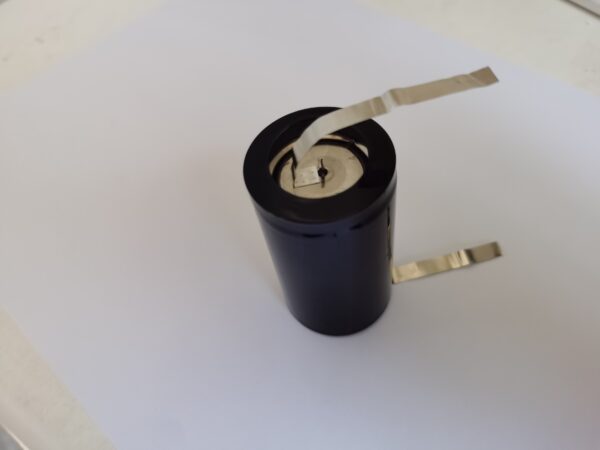
IP67 Waterproof Li-SO₂ Battery | Marine Grade: Technical Specifications and Industrial Applications
Introduction
In demanding marine and offshore environments, power reliability is not optional—it is critical. The IP67 Waterproof Li-SO₂ Battery represents a specialized solution engineered for extreme conditions where moisture, salt spray, and submersion pose constant threats to electronic systems. This article provides comprehensive technical analysis for engineers and procurement specialists evaluating lithium sulfur dioxide (Li-SO₂) primary batteries for marine-grade applications.
Understanding Li-SO₂ Battery Chemistry
Lithium sulfur dioxide batteries utilize a non-aqueous electrolyte system with lithium metal as the anode and sulfur dioxide as the cathode active material. This chemistry delivers several distinct advantages:
- High Energy Density: Typical specific energy ranges from 250-300 Wh/kg, enabling compact power solutions
- Wide Operating Temperature: Functional across -55°C to +70°C, critical for offshore deployments
- Low Self-Discharge: Less than 1% per year at ambient temperatures, ensuring long shelf life
- Stable Voltage Profile: Maintains consistent output throughout discharge cycle
Unlike rechargeable lithium-ion systems, Li-SO₂ primary batteries eliminate maintenance requirements while providing predictable end-of-life indicators—essential for remote marine installations where battery replacement logistics are complex and costly.
IP67 Protection Rating: Technical Breakdown
The IP67 certification defines specific environmental protection capabilities per IEC 60529 standards:
First Digit (6) – Solid Particle Protection: Complete dust tightness. No ingress of dust particles whatsoever, critical for coastal environments where salt crystals and airborne particulates compromise electrical connections.
Second Digit (7) – Liquid Immersion Protection: Protected against temporary immersion in water up to 1 meter depth for 30 minutes. This rating ensures survival during accidental submersion, wave splash events, or temporary flooding scenarios common in marine operations.
For marine-grade applications, IP67 represents the minimum acceptable standard. Critical installations may require IP68 or IP69K ratings depending on specific deployment conditions.
Marine-Grade Design Considerations
Marine environments present unique challenges beyond standard waterproofing requirements:
Corrosion Resistance
Salt spray accelerates corrosion on metallic components. Marine-grade Li-SO₂ batteries incorporate:
- Stainless steel or nickel-plated terminals
- Corrosion-resistant housing materials (typically marine-grade aluminum or specialized polymers)
- Conformal coating on internal circuitry
Vibration and Shock Tolerance
Offshore platforms and vessels experience continuous mechanical stress. Qualified marine batteries undergo MIL-STD-810G testing for vibration, shock, and mechanical durability.
Pressure Differential Management
Temperature fluctuations create internal pressure changes. Proper venting mechanisms prevent seal compromise while maintaining IP67 integrity.
Key Application Scenarios
Oceanographic Monitoring Systems: Autonomous sensors deployed for extended periods require reliable power sources immune to water ingress. Li-SO₂ batteries provide 5-10 year operational life without maintenance.
Marine Navigation Equipment: Emergency position-indicating radio beacons (EPIRBs), AIS transponders, and backup navigation systems depend on primary batteries that function immediately after years of storage.
Offshore Platform Instrumentation: Pressure sensors, flow meters, and safety monitoring systems on oil rigs and wind farms operate in continuously humid, salt-laden atmospheres.
Underwater Acoustic Systems: Hydrophone arrays and underwater communication devices require batteries that withstand periodic submersion while maintaining electrical isolation.
Technical Selection Criteria for Procurement
When evaluating IP67 Li-SO₂ batteries for marine applications, consider these specifications:
| Parameter | Recommended Specification |
|---|---|
| Nominal Voltage | 3.0V per cell |
| Capacity Range | 1.5Ah to 15Ah (application dependent) |
| Operating Temperature | -40°C to +70°C minimum |
| Storage Temperature | -55°C to +85°C |
| Self-Discharge Rate | <1%/year at 20°C |
| Certification | IP67, IEC 60529, UN 38.3 |
| Shelf Life | 10+ years |
Safety and Compliance
Li-SO₂ batteries contain pressurized sulfur dioxide and require proper handling. Ensure compliance with:
- UN 38.3: Transportation safety testing for lithium batteries
- IEC 60086-4: Safety requirements for primary lithium batteries
- RoHS/REACH: Environmental compliance for hazardous substances
Proper disposal procedures must follow local regulations for lithium primary batteries. Never incinerate or expose to temperatures exceeding 100°C.
Conclusion
IP67 Waterproof Li-SO₂ batteries deliver unmatched reliability for marine-grade applications where power failure is not an option. The combination of robust chemistry, environmental protection, and long-term stability makes this technology ideal for offshore, underwater, and coastal installations. Engineering teams should prioritize certified suppliers with proven marine deployment track records.
For detailed technical specifications and customization options, visit our primary battery product page. Our engineering team supports application-specific requirements including custom form factors, terminal configurations, and extended temperature ranges.
Contact Information: For technical consultations, quotation requests, or sample evaluations, reach out through our contact page. We provide comprehensive support for marine industry projects worldwide.
Technical Note: All specifications subject to verification with manufacturer datasheets. Environmental testing should be conducted under actual deployment conditions before final system integration.
