
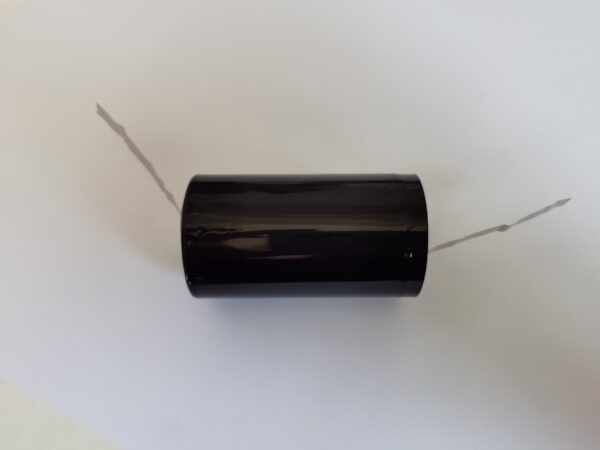
Industrial Valve Actuator Battery | Li-SOCl₂ Long Lifespan: A B2B Procurement Guide
In industrial automation, particularly within oil & gas, water treatment, and chemical processing sectors, valve actuators serve as critical control points. Their reliability hinges on one often-overlooked component: the power source. For remote or hard-to-access installations, battery-powered actuators demand chemistry that delivers decades of service without maintenance. Lithium Thionyl Chloride (Li-SOCl₂) technology has emerged as the industry standard for long-lifespan applications. This article provides a technical overview, compliance insights, and procurement essentials for B2B buyers evaluating industrial valve actuator batteries.
Why Li-SOCl₂ Chemistry Dominates Industrial Valve Applications
Li-SOCl₂ batteries are primary (non-rechargeable) cells known for exceptional energy density and stability. Unlike rechargeable lithium-ion systems, which degrade with cycle count, Li-SOCl₂ cells are engineered for single-use longevity, making them ideal for actuators that operate infrequently but must remain ready for years.
Key Technical Advantages:
- Energy Density: Ranging from 590 to 750 Wh/kg, Li-SOCl₂ batteries provide significantly higher capacity per unit weight compared to alkaline or lithium-manganese dioxide alternatives. This allows for compact actuator designs without sacrificing runtime.
- Temperature Resilience: Industrial valves often operate in extreme environments. Li-SOCl₂ chemistry remains stable between -55°C and +150°C, ensuring reliable performance in Arctic pipelines or desert refineries where other chemistries fail.
- Low Self-Discharge: With an annual self-discharge rate of less than 1%, these batteries can maintain voltage integrity for over 15 years in storage or standby mode. This is critical for safety shut-off valves that may not activate for a decade.
- Voltage Stability: A flat discharge curve ensures the actuator receives consistent voltage throughout the battery’s life, preventing erratic operation or mid-cycle failures.
Compliance and Safety Standards for 2026
For overseas procurement managers, regulatory compliance is non-negotiable. As of 2026, international shipping and industrial safety standards have evolved to streamline lithium battery trade while maintaining safety.
- UN38.3 Certification: Mandatory for all lithium battery shipments. Ensure your supplier provides test reports covering altitude simulation, thermal cycling, and external short circuit protection.
- IEC 60086 Standards: Specifies safety and performance requirements for primary lithium batteries. Compliance ensures compatibility with international actuator manufacturers.
- ATEX & IECEx Considerations: While the battery itself may not be ATEX-certified, the actuator assembly containing the battery often requires certification for hazardous zones. Suppliers should provide documentation supporting integration into Ex-rated enclosures.
- Export Regulations: Recent policy updates in 2026 have simplified export procedures for low-risk Li-SOCl₂ cells (under 1kg thionyl chloride content), reducing lead times for global supply chains. However, proper classification and documentation remain essential to avoid customs delays.
Procurement Guidelines: What B2B Buyers Must Verify
Selecting the right battery partner involves more than comparing price per unit. Technical alignment and supply chain reliability are paramount.
- Pulse Current Capability: Valve actuators require high current bursts during operation. Verify the battery’s pulse discharge rating (e.g., 2A pulses for 2 seconds) matches your actuator’s motor specifications. Hybrid designs combining Li-SOCl₂ with a capacitor layer often optimize pulse performance.
- Customization Options: Standard sizes (e.g., ER34615, ER26500) may not fit all actuator housings. Look for suppliers offering custom terminal configurations, wiring harnesses, or pack assemblies. Explore the full range of available solutions at https://cnsbattery.com/primary-battery/.
- Lifecycle Testing Data: Request accelerated aging reports. A reputable manufacturer will provide data showing voltage retention after 10+ years of simulated storage.
- Supply Chain Transparency: Ensure raw material sourcing is ethical and production facilities adhere to ISO 9001 quality management systems. Consistency in cell chemistry is vital for batch-to-batch performance.
- Technical Support: Post-sales support is crucial for integration issues. Choose partners who offer engineering consultation, not just transactional sales.
Case Study: Offshore Pipeline Valve Management
A major energy operator in the North Sea faced frequent maintenance costs due to battery failures in subsea valve actuators. The previous alkaline-based system lasted only 3 years in cold, high-pressure conditions. After switching to industrial-grade Li-SOCl₂ batteries, the operator extended maintenance intervals to 15 years. The new cells withstood -40°C seabed temperatures and delivered consistent torque for emergency shut-off operations. This transition reduced total cost of ownership (TCO) by 60% over the asset’s lifecycle, highlighting the economic value of premium battery chemistry.
Conclusion: Investing in Reliability
For industrial valve actuators, the battery is not merely a component—it is an insurance policy against operational downtime. Li-SOCl₂ technology offers the longevity, temperature tolerance, and stability required for critical infrastructure. When sourcing these power solutions, prioritize compliance, technical compatibility, and supplier expertise over initial cost savings.
To explore certified Li-SOCl₂ battery options tailored for industrial actuators, visit our product catalog at https://cnsbattery.com/primary-battery/. For technical consultations, custom specifications, or bulk procurement inquiries, our engineering team is ready to assist. Contact us directly at https://cnsbattery.com/primary-battery-contact-us/ to secure a power solution that matches the lifespan of your assets.
