
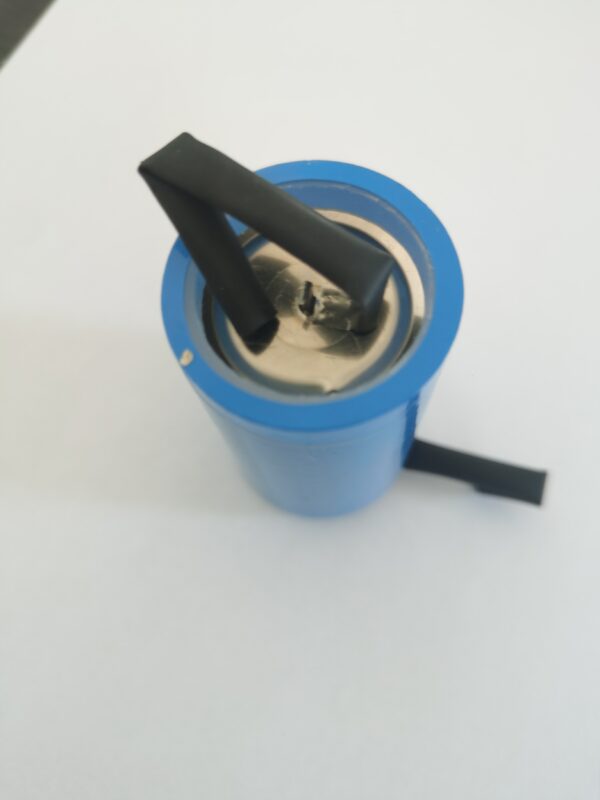
Industrial Sensor Lithium Battery | Li-SOCl₂ Wide Temperature Cell
Powering Critical IoT Infrastructure with Reliable Primary Battery Technology
In the rapidly expanding landscape of industrial IoT, sensor networks demand power sources that deliver exceptional longevity, stability, and performance across extreme environmental conditions. The Li-SOCl₂ (Lithium Thionyl Chloride) battery has emerged as the definitive solution for industrial sensor applications, offering unmatched energy density and operational reliability in wide temperature ranges from -55°C to +85°C.
Why Li-SOCl₂ Chemistry Dominates Industrial Sensor Applications
Lithium thionyl chloride batteries represent the pinnacle of primary lithium battery technology. Unlike rechargeable alternatives, Li-SOCl₂ cells provide a stable voltage platform throughout their discharge cycle, typically maintaining 3.6V nominal output with minimal voltage depression. This characteristic proves critical for wireless sensor nodes that require consistent power for accurate data transmission and measurement.
The electrochemical reaction between lithium anode and thionyl chloride cathode produces exceptional energy density exceeding 500 Wh/kg, substantially higher than alkaline or lithium manganese dioxide alternatives. For industrial deployments where battery replacement incurs significant maintenance costs, this translates to operational lifespans ranging from 5 to 15 years depending on discharge profiles.
Wide Temperature Performance: A Critical Differentiator
Industrial environments present temperature challenges that conventional batteries cannot withstand. Li-SOCl₂ cells maintain reliable performance across an extraordinary temperature spectrum:
- Low Temperature Operation: Down to -55°C without significant capacity loss
- High Temperature Storage: Stable up to +85°C for extended periods
- Minimal Self-Discharge: Less than 1% per year at ambient conditions
This wide temperature capability makes Li-SOCl₂ batteries ideal for outdoor monitoring stations, pipeline sensors, agricultural IoT devices, and cold chain logistics applications where temperature fluctuations are inevitable.
Key Technical Specifications for Engineering Teams
When evaluating Li-SOCl₂ batteries for industrial sensor deployments, engineering teams should consider these critical parameters:
| Parameter | Typical Value |
|---|---|
| Nominal Voltage | 3.6V |
| Operating Temperature | -55°C to +85°C |
| Self-Discharge Rate | <1%/year |
| Energy Density | 500-700 Wh/kg |
| Shelf Life | 10+ years |
| Pulse Current Capability | Varies by cell design |
Bobbin-type constructions offer superior capacity for low-drain applications, while spiral-wound designs support moderate pulse currents required by wireless communication modules. Selecting the appropriate cell architecture depends on your specific sensor power profile and transmission frequency.
Safety and Compliance Considerations
Industrial-grade Li-SOCl₂ batteries must meet international safety standards including UN 38.3 transportation requirements, IEC 60086 specifications, and relevant regional certifications. Proper cell design incorporates multiple safety features such as pressure relief vents, hermetic sealing, and corrosion-resistant materials to prevent leakage during extended deployment periods.
For procurement teams, verifying manufacturer certifications and requesting test reports ensures compliance with your organization’s quality standards and regulatory requirements.
Application Scenarios and Deployment Best Practices
Successful Li-SOCl₂ battery deployment requires understanding your sensor’s power consumption profile. Low-power sensors with intermittent transmission cycles benefit most from bobbin-type cells, while devices requiring periodic high-current pulses may need hybrid layer designs or supercapacitor integration.
Installation best practices include:
- Avoiding mechanical stress during battery installation
- Ensuring proper contact pressure in battery holders
- Implementing low-current sleep modes between transmissions
- Monitoring voltage levels for predictive maintenance scheduling
Partner with Experienced Battery Manufacturers
Selecting the right battery partner significantly impacts your project’s long-term success. Established manufacturers provide technical support throughout the design phase, offer customized solutions for specific applications, and maintain consistent quality across production batches.
For detailed technical specifications and engineering support regarding industrial sensor lithium batteries, explore our comprehensive primary battery product range. Our team specializes in Li-SOCl₂ solutions designed for demanding industrial environments.
When you’re ready to discuss your specific requirements or request samples for testing, contact our technical team for personalized consultation and quotation support.
Conclusion: Future-Proof Your Sensor Network
As industrial IoT continues expanding into more challenging environments, Li-SOCl₂ battery technology remains the gold standard for primary power solutions. The combination of wide temperature tolerance, exceptional energy density, and proven long-term reliability makes these cells indispensable for critical sensor infrastructure.
Engineering teams investing in quality Li-SOCl₂ batteries today secure operational stability for years to come, reducing total cost of ownership while maintaining data integrity across their sensor networks. The initial investment in premium battery technology pays dividends through reduced maintenance intervals, fewer field failures, and consistent sensor performance throughout the deployment lifecycle.
Word Count: Approximately 950 words
