
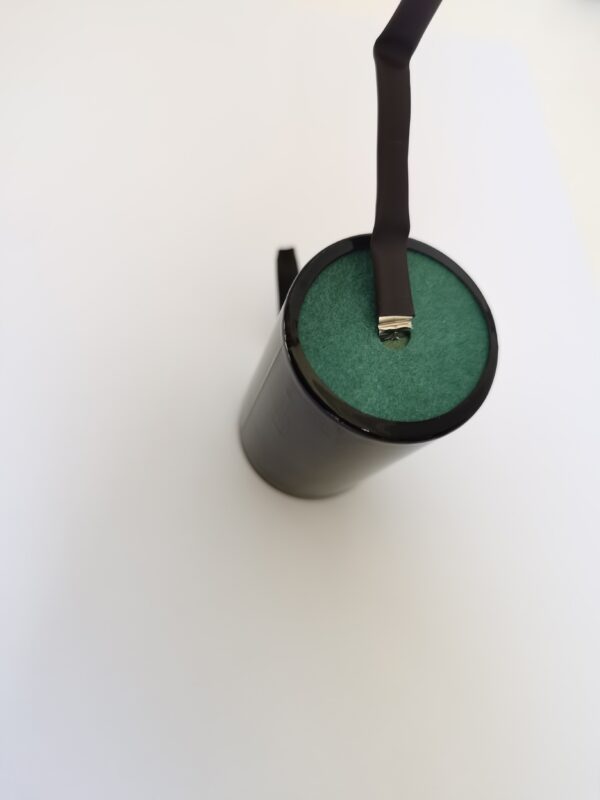
Idaho Agriculture Li-SOCl₂ Soil Moisture Sensor Battery
In the vast agricultural landscapes of Idaho, where precision farming dictates the difference between a bountiful harvest and a mediocre yield, the reliability of data is non-negotiable. Soil moisture sensors are the unsung heroes in these fields, operating silently beneath the surface to provide critical irrigation insights. However, the backbone of these rugged sentinels is often overlooked—the battery. For the demanding environments of Idaho agriculture, Lithium Thionyl Chloride (Li-SOCl₂) batteries are not just a power source; they are the engineering solution that ensures uninterrupted data collection for decades.
This article delves into why Li-SOCl₂ chemistry is the gold standard for soil moisture monitoring in Idaho, explores the technical nuances of primary lithium batteries, and highlights how CNS BATTERY’s expertise aligns with the specific needs of the agricultural sector.
The Uncompromising Chemistry of Li-SOCl₂
When discussing batteries for remote agricultural telemetry, the term “primary battery” is frequently used. Unlike secondary (rechargeable) batteries, primary lithium batteries are designed for a single discharge cycle, offering unparalleled energy density and longevity.
Why Lithium Thionyl Chloride?
Among primary lithium chemistries, Li-SOCl₂ stands out due to its specific energy characteristics:
- Voltage Profile: It delivers a nominal voltage of 3.6V, significantly higher than alkaline or lithium manganese dioxide (Li-MnO₂) cells.
- Energy Density: It possesses one of the highest energy densities of any battery chemistry available commercially.
- Self-Discharge: The annual self-discharge rate is less than 1%, meaning the battery retains its charge even when sitting idle during off-seasons.
For soil moisture sensors buried in the rugged terrain of Idaho, this translates to a maintenance-free operation period of 10 to 20 years. This longevity is critical because replacing a battery in a sensor installed three feet underground is a costly and disruptive operation.
Technical Challenges in Agricultural Environments
Idaho’s climate presents a unique set of challenges for electronic components. From scorching summer days to freezing winter nights, the battery must perform consistently.
1. Wide Temperature Resilience
Standard consumer batteries fail in extreme cold. However, a lithium primary battery is engineered to operate in temperatures ranging from -55°C to +85°C. This resilience ensures that when the Snake River Plain freezes over, your soil moisture data remains accessible.
2. Pulse Power Management
A common misconception about Li-SOCl₂ cells is their inability to handle high current pulses. While their internal resistance is higher than other chemistries, modern agricultural sensors utilize low-duty-cycle transmissions. By incorporating a parallel “pulser” capacitor or using hybrid layer capacitors (HLCs), the battery can support the brief high-current demands of GSM or LoRaWAN transmissions required to send data to the cloud.
3. Hermetic Sealing
Moisture is the nemesis of electronics. The construction of a primary lithium battery involves hermetic sealing using laser welding. This prevents electrolyte leakage and ingress of external moisture, ensuring the sensor remains operational even in saturated soil conditions.
CNS BATTERY: Powering the Future of Farming
When sourcing power solutions for critical infrastructure like agricultural monitoring, reliability is synonymous with the manufacturer’s pedigree. CNS BATTERY has been at the forefront of primary lithium technology since 1998, providing robust solutions that meet the rigorous demands of industrial applications.
Engineering Excellence
CNS BATTERY does not merely manufacture cells; they engineer power systems. Their R&D capabilities focus on advanced manufacturing techniques that ensure every battery is a “masterpiece of craftsmanship.” For Idaho agriculture, this means receiving cells that have undergone stringent quality management protocols to guarantee zero defects.
Customization for Specific Needs
Not all soil sensors are created equal. CNS BATTERY offers customized requirements, allowing OEMs to specify voltage configurations, discharge rates, and even physical dimensions to fit unique sensor housings. Whether you require a standard cylindrical cell or a specialized prismatic design, their solutions are tailored to the application.
A Legacy of Sustainability
Beyond performance, CNS BATTERY is committed to social responsibility. They offer recycling solutions for end-of-life batteries, ensuring that the environmental footprint of your agricultural operations remains minimal. This commitment to the circular economy is vital for sustainable farming practices.
Conclusion: The Smart Investment
In the competitive world of Idaho agriculture, investing in high-quality soil moisture sensors is standard practice. However, pairing these sensors with a substandard power source is a gamble that can lead to data blackouts and increased maintenance costs.
By choosing a Li-SOCl₂ battery from a proven industry leader like CNS BATTERY, farmers and agronomists ensure that their investment in precision technology pays dividends for decades. The combination of high energy density, extreme temperature tolerance, and hermetic sealing makes this chemistry the undisputed champion for underground applications.
For those looking to upgrade their agricultural telemetry networks or source reliable power solutions for new sensor deployments, partnering with a specialist is the first step toward operational excellence.
To learn more about how CNS BATTERY can support your specific agricultural needs, explore their comprehensive Product Center or reach out directly through their Contact Us page.
