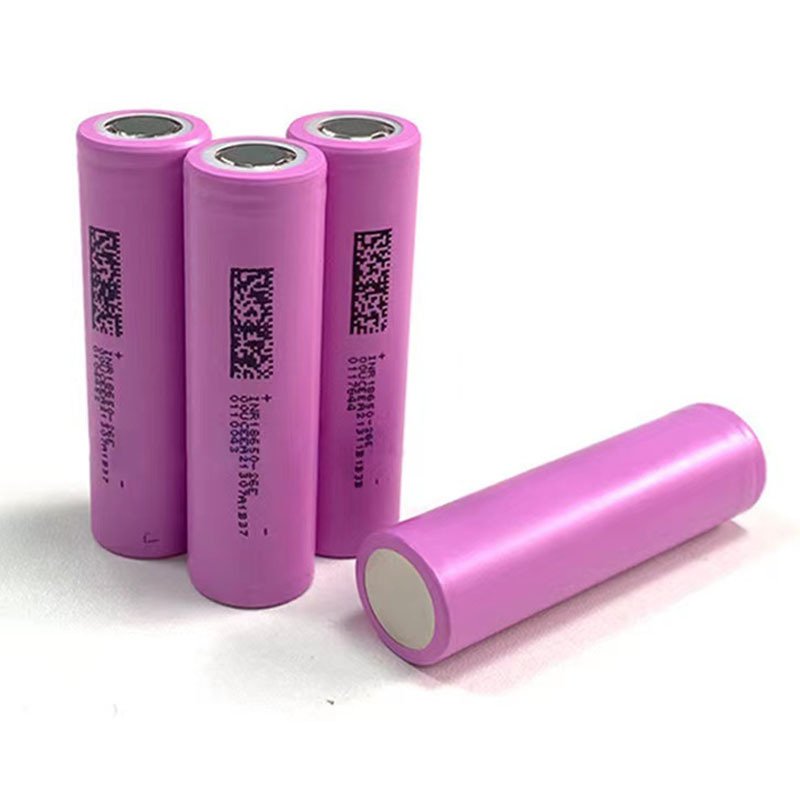
IATF16949 Certified Automotive Cylindrical Battery Cell | CNS BATTERY
Introduction: The Critical Role of Certification in Automotive Battery Procurement
In the rapidly evolving electric vehicle (EV) landscape, automotive manufacturers and tier-one suppliers face increasing pressure to source battery cells that meet rigorous quality and safety standards. The IATF16949 certification has become the gold standard for automotive component suppliers, representing a comprehensive quality management system specifically designed for the automotive industry. For procurement professionals evaluating cylindrical battery cells, understanding the implications of this certification is essential for making informed sourcing decisions.
Understanding IATF16949 Certification for Battery Manufacturers
IATF16949 builds upon ISO9001 requirements with additional automotive-specific criteria, focusing on defect prevention, variation reduction, and continuous improvement throughout the supply chain. For cylindrical battery cell manufacturers, this certification demonstrates compliance with critical requirements including:
- Process Control: Documented manufacturing procedures with statistical process control (SPC)
- Traceability: Complete lot tracking from raw materials to finished cells
- Risk Management: Implementation of FMEA (Failure Mode and Effects Analysis)
- Supplier Quality: Rigorous incoming material inspection protocols
- Continuous Improvement: Measurable quality objectives and corrective action systems
When evaluating potential suppliers, verify that the IATF16949 certificate covers the specific manufacturing facility producing your battery cells, not just corporate headquarters.
Technical Advantages of Cylindrical Battery Cells in Automotive Applications
Cylindrical battery cells offer distinct advantages for automotive applications, particularly in terms of manufacturing scalability and thermal management. The standardized form factors (18650, 21700, 26650, and emerging 4680) enable automated production lines with consistent quality output.
Key Technical Considerations:
| Parameter | Industry Standard | CNS BATTERY Capability |
|---|---|---|
| Energy Density | 250-300 Wh/kg | Up to 285 Wh/kg |
| Cycle Life | 1000-2000 cycles | 2500+ cycles @80% DOD |
| Operating Temperature | -20°C to 60°C | -30°C to 65°C |
| Safety Rating | UN38.3, IEC62133 | Additional IATF16949 |
The cylindrical geometry provides superior mechanical strength compared to pouch or prismatic cells, reducing the risk of swelling-related failures. Additionally, the standardized dimensions simplify pack design and enable easier replacement strategies for service networks.
Procurement Checklist for Automotive Battery Cells
When sourcing IATF16949 certified cylindrical battery cells, procurement teams should verify the following documentation and capabilities:
- Valid Certification: Request current IATF16949 certificate with scope confirmation
- Product Validation: PPAP (Production Part Approval Process) documentation
- Testing Reports: Independent third-party safety and performance testing
- Capacity Assurance: Confirmed production capacity matching your volume requirements
- Supply Chain Transparency: Raw material sourcing documentation, particularly for cobalt and lithium
- After-Sales Support: Technical support availability and warranty terms
For comprehensive product specifications and certification documentation, visit our cylindrical battery cell product page.
Case Study: European EV Manufacturer Implementation
A mid-size European electric vehicle manufacturer recently transitioned to IATF16949 certified cylindrical cells for their compact EV platform. The procurement team identified three critical success factors:
Challenge: Previous supplier lacked complete traceability, causing recall complications when a batch showed elevated self-discharge rates.
Solution: Implementation of IATF16949 certified supply chain with full lot tracking and automated quality gates.
Results:
- 40% reduction in quality-related field incidents
- Complete traceability enabling targeted recalls (affecting <2% of production vs. previous 15%)
- 18-month zero non-conformance record
This case demonstrates why certification translates to tangible business value beyond compliance checkboxes.
Compliance and Regional Considerations
Global automotive manufacturers must navigate varying regional requirements beyond IATF16949:
- Europe: UN ECE R100 battery safety regulations
- North America: FMVSS 305 compliance
- China: GB/T 31485 standards
- Transport: UN38.3 for all regions
Working with manufacturers experienced in multi-region compliance reduces certification burden for OEMs. CNS BATTERY maintains compliance documentation for major automotive markets, streamlining the homologation process for international customers.
Partner Selection: Beyond Certification
While IATF16949 certification provides essential quality assurance, comprehensive supplier evaluation should include:
- Financial Stability: Long-term supply security
- R&D Investment: Technology roadmap alignment
- Production Flexibility: Ability to scale with demand fluctuations
- Geographic Footprint: Logistics optimization and tariff considerations
For manufacturers seeking qualified battery partners in China, understanding the landscape of battery manufacturers in China provides valuable market context for supplier selection.
Conclusion: Making Informed Sourcing Decisions
The transition to electric mobility requires battery suppliers who combine technical capability with quality system maturity. IATF16949 certification serves as a critical filter for identifying suppliers committed to automotive-grade quality standards. However, certification should be viewed as the baseline requirement, not the sole selection criterion.
Procurement professionals should conduct comprehensive supplier audits, validate production capabilities firsthand, and establish clear quality agreements before committing to volume purchases. The investment in thorough supplier qualification pays dividends through reduced quality incidents, smoother production ramps, and enhanced brand protection.
For detailed technical discussions and qualification support, our team is available to address your specific requirements. Contact us at CNS BATTERY contact page to initiate the supplier qualification process.
This article provides general guidance for automotive battery procurement. Specific requirements may vary based on application, region, and customer specifications. Always conduct comprehensive due diligence before finalizing supplier agreements.