
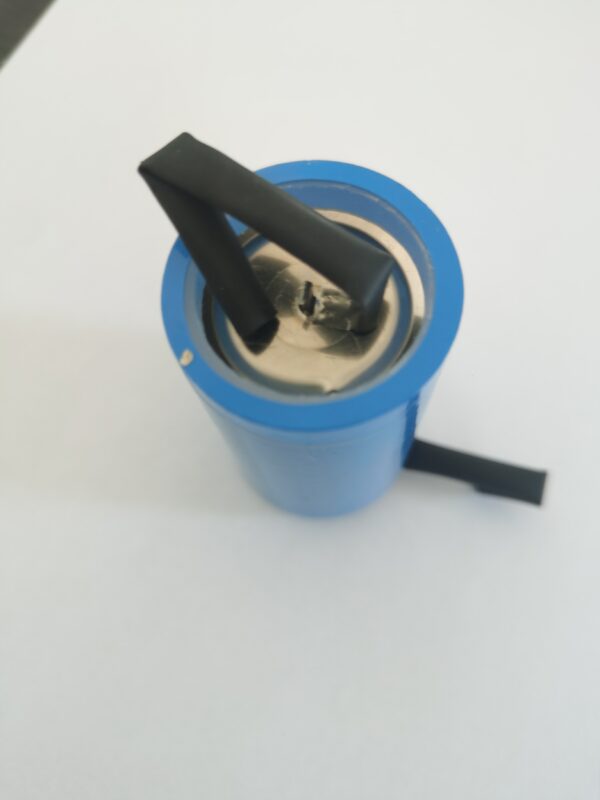
How to Verify Lithium Battery ATEX Certification Authenticity
In hazardous industrial environments where explosive atmospheres may exist, ensuring the safety and compliance of lithium batteries is paramount. ATEX certification serves as the European benchmark for equipment used in potentially explosive areas. However, with the proliferation of counterfeit certificates in the global supply chain, verifying the authenticity of Lithium Battery ATEX Certification has become a critical due diligence step for engineers and technical purchasers. This guide provides a systematic approach to authentication while exploring the underlying technology of primary lithium batteries.
Understanding ATEX Certification Fundamentals
ATEX (ATmosphères EXplosibles) certification confirms that equipment meets EU Directive 2014/34/EU requirements for use in explosive atmospheres. For lithium batteries, this involves rigorous testing of thermal stability, mechanical integrity, and electrical safety under extreme conditions. Primary lithium batteries, utilizing lithium metal as the anode, offer high energy density and long shelf life, making them ideal for remote industrial sensors and safety equipment. However, their chemical reactivity necessitates stringent safety validation.
Step 1: Verify the Certificate Number
Every legitimate ATEX certificate carries a unique identification number following the format: Ex II X GD XXXX. Contact the issuing Notified Body directly to confirm this number exists in their official registry. Reputable certification bodies such as TÜV, SGS, or BASEEFA maintain searchable online databases. Cross-reference the certificate number, issue date, and equipment description to ensure consistency.
Step 2: Examine the Technical Documentation
Authentic ATEX certification includes comprehensive technical files covering:
- IEC 60079 compliance reports documenting explosion protection methods
- Thermal runaway test results under specified ambient conditions
- Material safety data sheets for all battery components
- Manufacturing quality control procedures aligned with ISO 9001 standards
Request these documents from your supplier and verify their completeness. Incomplete or redacted technical files often indicate fraudulent certification.
Step 3: Validate the Notified Body
Not all certification bodies hold equal authority. Verify that the issuing organization appears on the European Commission’s NANDO database (New Approach Notified and Designated Organisations). Only Notified Bodies with specific ATEX scope authorization can issue valid certificates. Check their identification number (four digits following “CE”) against official EU records.
Step 4: Assess Battery-Specific Safety Parameters
Primary lithium batteries operate through electrochemical reactions between lithium metal and various cathode materials (MnO₂, SOCl₂, or CFₓ). Understanding these fundamentals helps evaluate certification claims:
- Operating temperature range: ATEX-certified batteries must function safely within specified temperature classes (T1-T6)
- Maximum surface temperature: Must remain below the ignition temperature of surrounding gases
- Ingress protection rating: Typically IP65 or higher for hazardous locations
- Mechanical shock resistance: Validated through drop and vibration testing
Suppliers unable to provide specific test data for these parameters warrant skepticism.
Step 5: Conduct Physical Inspection
Genuine ATEX-certified batteries feature permanent marking including:
- CE marking with Notified Body number
- Ex symbol and equipment category
- Manufacturer identification
- Certificate reference number
Examine these markings for quality, permanence, and accuracy. Poor engraving, incorrect fonts, or missing information suggest counterfeit products.
Step 6: Request Third-Party Verification
For high-value procurement, engage independent testing laboratories to perform sample verification. Organizations like Intertek or Bureau Veritas can conduct spot testing to confirm compliance claims. This additional validation layer protects against sophisticated certificate forgery.
Common Red Flags to Watch
- Certificates issued by unknown or unregistered bodies
- Missing expiration dates or validity periods
- Inconsistent equipment descriptions across documents
- Unusually low pricing compared to market standards
- Supplier reluctance to provide original documentation
Building Trust Through Verified Supply Chains
Partnering with established manufacturers reduces authentication burden. Reputable suppliers maintain transparent certification records and welcome verification requests. For comprehensive primary lithium battery solutions with verified compliance, explore offerings at CNS Battery Primary Battery Products. Their technical team can provide detailed certification documentation and support your verification process.
Conclusion
Verifying Lithium Battery ATEX Certification authenticity requires systematic diligence across multiple verification points. By following these six steps—certificate number validation, technical documentation review, Notified Body verification, safety parameter assessment, physical inspection, and third-party confirmation—engineers and purchasers can significantly reduce compliance risks. In hazardous environments, there is no room for certification uncertainty. Invest time in thorough verification to protect personnel, equipment, and operational continuity.
For further technical consultation or certification verification support, contact the specialist team at CNS Battery Contact. Their expertise in primary lithium battery technology and international compliance standards ensures you receive authentic, certified products for your hazardous location applications.
Word Count: Approximately 950 words
