
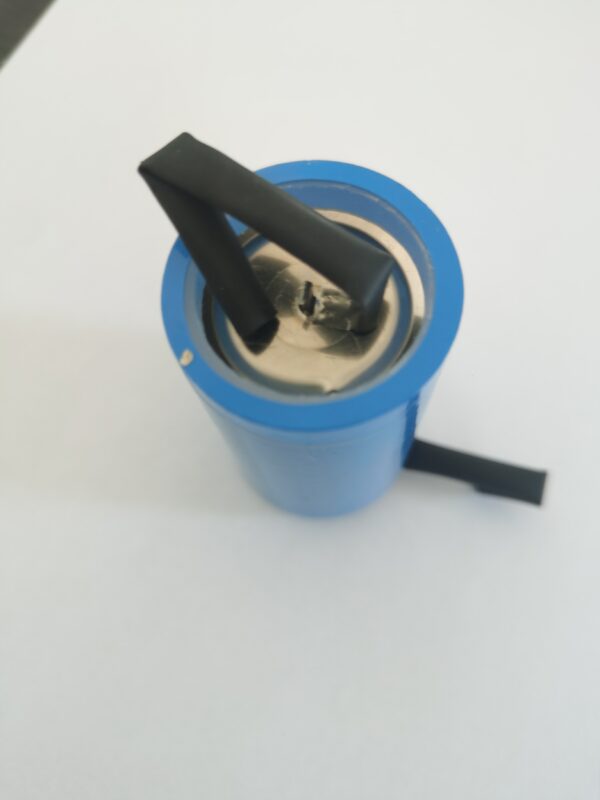
How to Store Li-SO₂ Batteries Long-Term Safely
Lithium Sulfur Dioxide (Li-SO₂) batteries represent one of the most reliable power solutions for military, aerospace, medical, and industrial applications. With their exceptional energy density, wide operating temperature range, and extended shelf life, these primary batteries have become indispensable for critical systems requiring long-term, maintenance-free operation. However, proper storage is essential to maintain performance, ensure safety, and comply with international regulations. This guide provides B2B buyers, procurement managers, and technical decision-makers with actionable insights on safe long-term storage of Li-SO₂ batteries.
Understanding Li-SO₂ Battery Chemistry
Li-SO₂ batteries utilize lithium metal as the anode and sulfur dioxide as the cathode active material, with a liquid SO₂ electrolyte that also serves as the depolarizer. This chemistry delivers nominal voltage of 3.0V and operates effectively across extreme temperatures from -55°C to +70°C. The sealed construction prevents electrolyte leakage, making these batteries suitable for harsh environments. However, the reactive nature of lithium and pressurized SO₂ requires careful handling and storage protocols.
Optimal Storage Conditions
Temperature Control
Maintaining appropriate storage temperature is the single most critical factor for Li-SO₂ battery longevity. Industry standards recommend storage between 15°C to 25°C (59°F to 77°F) for optimal shelf life. While these batteries can withstand extreme operational temperatures, prolonged exposure to elevated storage temperatures accelerates self-discharge and may compromise the internal pressure vessel integrity.
Temperature fluctuations should be minimized. Avoid storage areas subject to daily temperature swings exceeding 10°C, as thermal cycling can stress seals and connections. Climate-controlled warehouses with HVAC systems provide the most reliable environment for bulk storage operations.
Humidity Management
Relative humidity should be maintained between 30% to 60% in storage facilities. High humidity environments promote corrosion of external contacts and packaging materials, potentially compromising battery integrity over extended periods. Moisture can also affect labeling and documentation, creating compliance issues during audits or transportation inspections.
Dehumidification systems are recommended for warehouses in tropical or coastal regions. Desiccant packs should be included in original packaging when batteries are stored for periods exceeding 12 months.
Physical Storage Configuration
Li-SO₂ batteries should be stored in their original packaging whenever possible. Manufacturer packaging is designed to prevent terminal contact, protect against physical damage, and maintain proper orientation. When original packaging is unavailable, use non-conductive dividers to prevent terminal-to-terminal contact between cells.
Stacking height should not exceed manufacturer specifications, typically 1.5 meters for standard cartons. Excessive weight can deform packaging and potentially damage battery seals. Pallets should be kept off concrete floors using wooden or plastic pallets to prevent moisture absorption and facilitate inspection access.
Shelf Life and Performance Retention
Quality Li-SO₂ batteries from reputable manufacturers offer 10 to 15 years of shelf life when stored under recommended conditions. Annual self-discharge rates typically range from 1% to 2% at 20°C storage temperature. Procurement teams should implement First-In-First-Out (FIFO) inventory management to ensure optimal battery performance upon deployment.
Date coding and batch tracking systems are essential for managing inventory rotation. Digital inventory management systems should capture manufacturing dates, receipt dates, and expected expiration dates to automate rotation schedules and prevent aging stock from remaining in storage beyond recommended periods.
Regulatory Compliance and Transportation
Li-SO₂ batteries are classified as Class 9 Dangerous Goods under UN transportation regulations. For standalone lithium metal batteries, the applicable UN number is UN3090. Compliance with IATA Dangerous Goods Regulations (DGR), IMDG Code, and ADR regulations is mandatory for international shipments.
The 2025-2026 IATA DGR updates emphasize stricter documentation requirements and state-of-charge limitations for lithium battery shipments. Key compliance requirements include:
- Proper hazard labeling and marking on all packages
- Completed Shipper’s Declaration for Dangerous Goods
- UN-certified packaging meeting performance standards
- Temperature control documentation for climate-sensitive shipments
- Emergency response information readily available
Storage facilities handling Li-SO₂ batteries must comply with local fire codes and hazardous materials regulations. Fire suppression systems appropriate for lithium metal fires (Class D extinguishers) should be available. Storage quantities may require permits or notifications to local authorities depending on jurisdiction.
Safety Protocols and Risk Mitigation
Fire Prevention
While Li-SO₂ batteries are generally stable under normal conditions, thermal runaway can occur if batteries are damaged, short-circuited, or exposed to extreme heat. Storage areas should be separated from combustible materials and equipped with appropriate fire detection systems.
Temperature monitoring systems with automated alerts provide early warning of abnormal conditions. Regular inspections should check for signs of package damage, leakage, or swelling that may indicate battery degradation.
Personnel Training
All personnel handling Li-SO₂ batteries should receive proper training on:
- Hazard recognition and emergency procedures
- Proper lifting and handling techniques
- Spill response and containment procedures
- Personal protective equipment requirements
Documentation of training should be maintained for regulatory compliance and insurance purposes.
Procurement Best Practices
When sourcing Li-SO₂ batteries for long-term storage applications, B2B buyers should verify:
- Manufacturer certification – ISO 9001 quality management and relevant safety certifications
- Technical documentation – Complete MSDS, transportation classification, and storage specifications
- Batch traceability – Clear manufacturing date coding and quality control records
- Warranty terms – Shelf life guarantees and performance specifications under storage conditions
- Supply chain security – Authorized distribution channels to prevent counterfeit products
For mission-critical applications, consider requesting accelerated aging test data and third-party verification of shelf life claims.
Case Study: Aerospace Industry Implementation
A major aerospace contractor implemented comprehensive Li-SO₂ battery storage protocols across three regional warehouses. By standardizing temperature control (20°C ±3°C), humidity management (45% ±10%), and implementing automated inventory rotation systems, they achieved:
- 99.7% battery performance retention after 5 years storage
- Zero safety incidents over 8-year operational period
- 30% reduction in inventory write-offs from expired stock
- Full compliance with FAA and DoD storage requirements
This demonstrates the tangible benefits of systematic storage management for Li-SO₂ battery inventories.
Conclusion
Proper long-term storage of Li-SO₂ batteries requires attention to environmental controls, regulatory compliance, safety protocols, and inventory management. By implementing the guidelines outlined in this article, B2B organizations can maximize battery performance, ensure regulatory compliance, and protect their investment in these critical power sources.
For detailed product specifications, technical support, or procurement inquiries regarding Li-SO₂ batteries and related primary battery solutions, visit our product page or contact our team for personalized assistance tailored to your operational requirements.
This article provides general guidance based on industry standards and manufacturer recommendations. Always consult specific product documentation and local regulations for your application requirements.
