
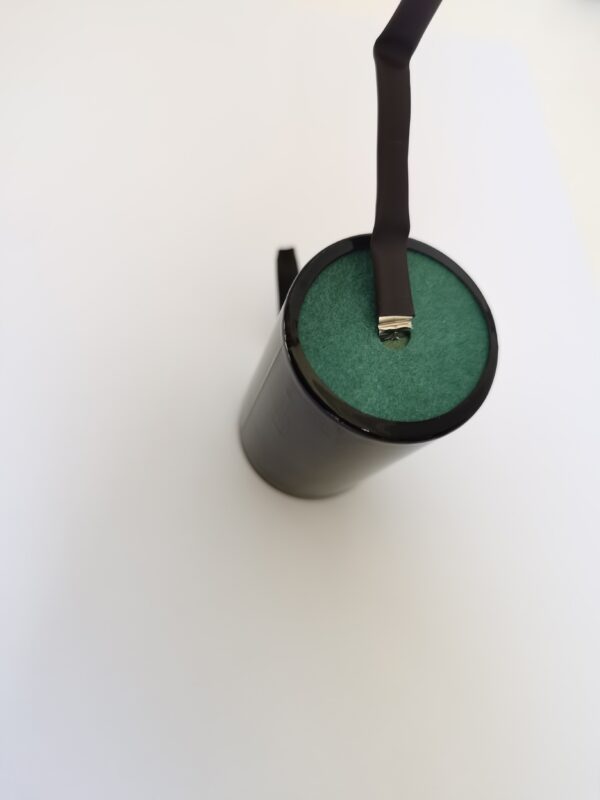
How to Select Li-SO₂ Battery for Firefighter PASS Devices
In the high-stakes environment of emergency response, the Personal Alert Safety System (PASS) device is a critical lifeline for firefighters. Designed to emit a loud distress signal when a firefighter remains motionless for a specified period, the PASS device relies entirely on its power source to function when needed most. For original equipment manufacturers (OEMs) and procurement specialists in the safety industry, selecting the right battery chemistry is not merely a technical decision—it is a matter of life and death. Lithium Sulfur Dioxide (Li-SO₂) batteries have emerged as the industry standard for these applications, offering unmatched reliability under extreme conditions. This guide outlines the essential criteria for selecting Li-SO₂ batteries for firefighter PASS devices, focusing on technical performance, compliance, and procurement best practices.
Understanding the Operational Demands
Firefighting environments present some of the harshest conditions for electronic equipment. PASS devices must operate reliably in temperatures ranging from extreme cold during winter rescues to intense heat near fire zones. Furthermore, these devices often remain in storage for extended periods before deployment. Therefore, the battery must possess a long shelf life without significant voltage degradation.
Li-SO₂ primary batteries are uniquely suited for this role. Unlike alkaline or standard lithium-manganese dioxide (Li-MnO₂) cells, Li-SO₂ chemistry provides a stable operating voltage throughout the discharge cycle and functions effectively across a temperature range of -55°C to +70°C. This thermal stability ensures that the PASS alarm will activate even if the device has been exposed to freezing conditions on a truck or high heat near a structure fire.
Key Technical Specifications for Selection
When evaluating Li-SO₂ batteries for PASS integration, engineers should focus on three core parameters:
- Pulse Current Capability: PASS devices require a high-current pulse to drive the audible alarm and vibration motor simultaneously. The selected battery must support high pulse currents (often exceeding 1A for short durations) without significant voltage drop. A voltage sag below the device’s cutoff threshold could result in alarm failure.
- Capacity and Energy Density: Given the space constraints within SCBA (Self-Contained Breathing Apparatus) mounts or clip-on devices, high energy density is crucial. Li-SO₂ cells offer superior volumetric energy density, allowing for compact device designs without sacrificing operational life.
- Shelf Life and Self-Discharge: Safety equipment inventory may sit in storage for years. High-quality Li-SO₂ batteries typically feature a self-discharge rate of less than 1% per year, ensuring a shelf life of up to 10 years. This reduces maintenance costs and ensures devices are ready for immediate use.
For a comprehensive range of primary battery solutions tailored to safety applications, manufacturers can explore specialized catalogs at https://cnsbattery.com/primary-battery/.
Compliance and Safety Standards
Procurement decisions must align with rigorous international safety standards. In the United States, PASS devices are governed by NFPA 1982: Standard on Personal Alert Safety Systems (PASS). The 2025/2026 editions of NFPA standards continue to emphasize environmental testing and power source reliability. Batteries used in these devices must withstand vibration, shock, and thermal cycling tests mandated by the standard.
Additionally, regulatory compliance for transportation and safety is non-negotiable. Ensure that the battery cells carry UL certification and comply with UN38.3 transportation regulations for lithium batteries. Documentation regarding Material Safety Data Sheets (MSDS) and test reports should be readily available from the supplier. Failure to verify these certifications can lead to liability issues and market access barriers, particularly in North American and European markets.
Procurement Considerations and Supplier Qualification
Selecting a battery supplier is as critical as selecting the chemistry. B2B buyers should prioritize manufacturers with a proven track record in the safety and industrial sectors. Key procurement points include:
- Customization Capabilities: PASS device designs vary. Suppliers should offer customization options for terminals, wiring, and packaging to fit specific housing constraints.
- Quality Control Systems: Verify that the manufacturer operates under ISO 9001 quality management systems. Consistent batch-to-batch performance is vital for safety equipment.
- Lead Time and Supply Chain Stability: Global supply chain disruptions can impact production. Partner with suppliers who maintain robust inventory levels and transparent lead times.
Case Study: Enhancing Reliability in Extreme Conditions
A leading manufacturer of fire safety equipment recently upgraded their PASS device line to address failure reports in sub-zero environments. Their previous Li-MnO₂ batteries exhibited voltage depression at -20°C, causing intermittent alarm failures during winter testing. By switching to a high-grade Li-SO₂ battery solution with optimized electrolyte formulation, the manufacturer achieved 100% activation success rates during cold chamber testing (-40°C). The transition also extended the device’s warranty period due to the battery’s lower self-discharge rate, resulting in a 15% reduction in long-term maintenance costs for fire departments.
Conclusion
The selection of a Li-SO₂ battery for firefighter PASS devices requires a balance of technical precision and regulatory compliance. By prioritizing pulse current performance, temperature resilience, and certified safety standards, OEMs can ensure their devices perform flawlessly in the field. Partnering with a reputable supplier who understands the nuances of primary battery technology is essential for delivering life-saving equipment.
For detailed technical specifications, customization inquiries, or to request samples for your next project, please contact our engineering team directly at https://cnsbattery.com/primary-battery-contact-us/. Ensuring the highest standard of power reliability is a shared responsibility—one that begins with the right battery choice.
