
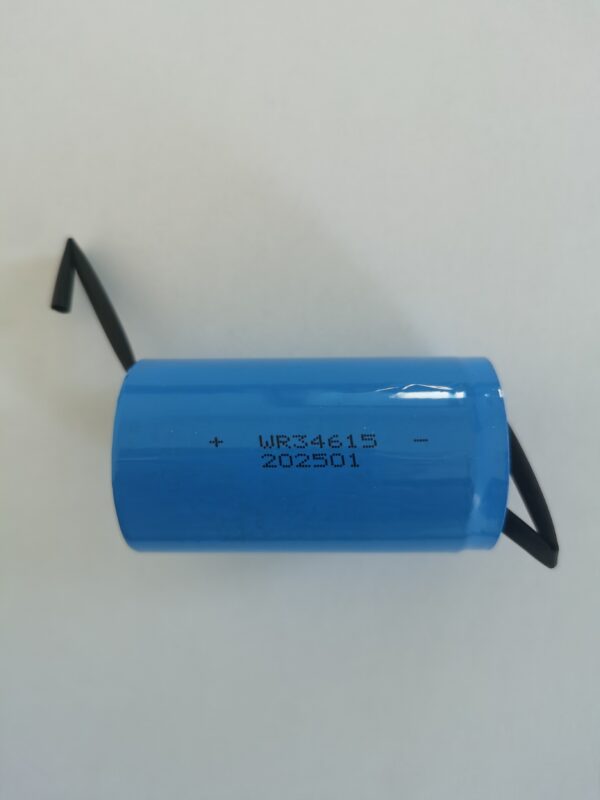
How to Select Li-SO₂ Battery for Heavy Machinery Emergency Backup
In the realm of heavy machinery operations, from mining excavators in the Arctic to offshore drilling rigs in the tropics, reliability is not just a preference—it is a mandate. When main power systems fail, emergency backup units must activate instantly to preserve critical data, maintain safety communications, and ensure controlled shutdowns. For these high-stakes applications, Lithium Thionyl Chloride (Li-SO₂) batteries have emerged as the industry standard. However, selecting the right Li-SO₂ battery requires a nuanced understanding of technical specifications, environmental compliance, and supply chain reliability. This guide outlines the critical factors for procurement managers and engineers to ensure optimal performance.
Understanding the Technical Advantage
Li-SO₂ batteries are primary (non-rechargeable) lithium cells known for their exceptional energy density and voltage stability. Unlike standard alkaline or lithium-ion options, Li-SO₂ chemistry offers a nominal voltage of 3.6V and can operate in temperatures ranging from -55°C to +85°C. This wide thermal window is crucial for heavy machinery that often operates in extreme environments where rechargeable batteries might fail due to thermal runaway or capacity loss.
Furthermore, these batteries boast an ultra-low self-discharge rate, allowing for a shelf life of up to 10 years. For emergency backup systems that may sit idle for long periods before activation, this longevity ensures the power is available exactly when needed without frequent maintenance cycles.
Key Selection Criteria for Heavy Machinery
1. Pulse Current Capability
Emergency backup systems often need to transmit high-frequency data bursts via GPS or satellite modems during a power failure. Not all Li-SO₂ batteries are created equal; some are designed for low-drain applications, while others support high pulse currents. When selecting a battery, verify the maximum pulse current rating. For heavy machinery telemetry, a battery capable of delivering high pulses without voltage depression is essential to prevent system resets during critical data transmission.
2. Temperature Resilience
Heavy machinery operates in diverse climates. A battery selected for a mining truck in Canada must perform differently than one for a construction crane in the Middle East. Ensure the selected Li-SO₂ cell is rated for the specific operating temperature range of your equipment. Look for manufacturers who test cells under thermal cycling conditions to guarantee structural integrity and electrolyte stability under stress.
3. Safety and Compliance
Transporting and installing lithium batteries in industrial equipment involves strict regulatory compliance. As of 2026, global transport regulations require all lithium batteries to pass the UN38.3 safety test, which covers altitude simulation, thermal testing, vibration, and external short circuit protection. Additionally, for machinery exported to Europe or North America, compliance with IEC 60086-4 and local hazardous material handling standards is mandatory. Procurement teams should request full certification documentation, including Material Safety Data Sheets (MSDS) and transport classification reports, to avoid customs delays or safety liabilities.
4. Capacity and Voltage Matching
While Li-SO₂ cells typically provide 3.6V, emergency systems may require specific voltage configurations through series or parallel connections. It is vital to calculate the total energy requirement (in Watt-hours) of the backup system and select a capacity (Ah) that provides a sufficient safety margin. Over-sizing slightly is often more cost-effective than risking under-powering a critical safety system.
Real-World Application Case
Consider a large-scale open-pit mining operation using autonomous haul trucks. These vehicles rely on emergency black-box recorders to log data in the event of a collision or system failure. The site experiences temperature swings from -30°C at night to +40°C during the day. A standard lithium-ion battery would degrade rapidly under these conditions. By switching to a specialized high-temperature Li-SO₂ battery pack, the mining company extended the maintenance interval from 12 months to 5 years, significantly reducing downtime and ensuring data integrity during power loss events. This shift not only improved safety compliance but also reduced the total cost of ownership by minimizing battery replacement logistics.
Procurement and Supply Chain Considerations
When sourcing Li-SO₂ batteries for heavy machinery, vendor qualification is as important as the product itself. The market is flooded with varying quality levels, and substandard cells can lead to leakage or premature failure.
- Vendor Audit: Choose suppliers with a proven track record in industrial applications. Verify their manufacturing standards (ISO 9001) and quality control processes.
- Customization: Heavy machinery often has unique battery compartment constraints. Partner with suppliers who offer customization services for terminals, wiring, and packaging to ensure a seamless fit.
- Supply Chain Stability: Given the long lifecycle of heavy machinery, ensure the supplier can guarantee long-term availability of the specific battery model to avoid redesigns later.
For engineers and procurement specialists seeking reliable primary battery solutions, it is crucial to partner with established manufacturers who understand the rigors of industrial deployment. You can explore a wide range of industrial-grade primary battery options tailored for heavy-duty applications at https://cnsbattery.com/primary-battery/.
Conclusion
Selecting the right Li-SO₂ battery for heavy machinery emergency backup is a strategic decision that impacts safety, compliance, and operational efficiency. By focusing on pulse capability, temperature resilience, and regulatory compliance, organizations can mitigate risks associated with power failure. Always prioritize certified products from reputable suppliers to ensure that when the main power cuts, your emergency systems remain uncompromised.
For further technical consultation or to discuss specific customization requirements for your machinery, please reach out to our engineering team directly via https://cnsbattery.com/primary-battery-contact-us/. Ensuring your heavy machinery is equipped with the right power backup is not just about maintaining operations; it is about safeguarding assets and personnel in the most demanding environments on earth.
