
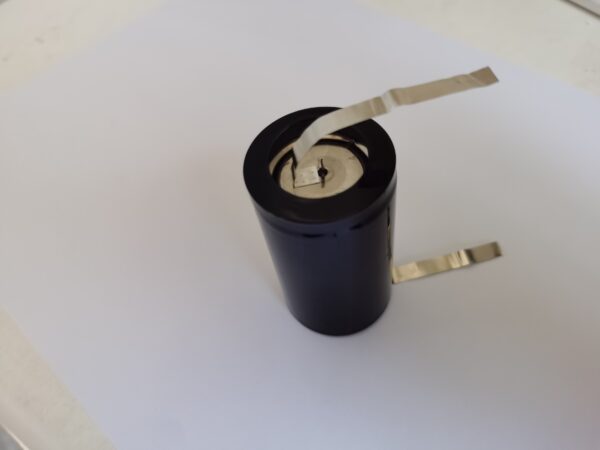
How to Select a Lithium Battery Supplier for Military & Aerospace Projects
Selecting the right lithium battery supplier for military and aerospace applications demands rigorous evaluation beyond standard commercial criteria. Mission-critical operations require primary lithium batteries that deliver uncompromising reliability, extended shelf life, and performance under extreme environmental conditions.
For defense contractors, aerospace engineers, and technical procurement specialists, the stakes are exceptionally high. A single battery failure can compromise multi-million dollar equipment, endanger personnel, or jeopardize national security missions. This comprehensive guide outlines the essential factors for evaluating lithium metal primary battery suppliers in these demanding sectors.
1. Certification and Regulatory Compliance
Military and aerospace applications require suppliers with comprehensive certification portfolios. UN38.3 certification is the absolute baseline for international transportation safety, covering eight critical tests including altitude simulation, thermal cycling, vibration, shock, external short circuit, impact, overcharge, and forced discharge. However, defense applications demand additional qualifications:
- MIL-SPEC compliance (MIL-PRF-32565, MIL-DTL-32566)
- AS9100D aerospace quality management certification
- ISO 9001:2015 quality standards
- ITAR registration for U.S. defense-related technical data
- REACH and RoHS compliance for international deployments
Verify that certifications are current and issued by accredited third-party laboratories. Request documentation during the supplier qualification process.
2. Technical Performance Specifications
Primary lithium batteries for military applications must operate reliably across extreme temperature ranges, typically -55°C to +85°C, with some specifications requiring operation up to +125°C. Key technical parameters to evaluate include:
Energy Density: Lithium thionyl chloride (Li-SOCl₂) and lithium manganese dioxide (Li-MnO₂) chemistries offer superior volumetric and gravimetric energy density compared to alternatives.
Shelf Life: Military deployments often require 10-15 year shelf life with minimal capacity degradation. Request accelerated aging test data and real-time storage validation.
Voltage Stability: Consistent voltage output throughout discharge cycles is critical for sensitive avionics and communication equipment.
Safety Features: Built-in protection against thermal runaway, short circuits, and mechanical damage is non-negotiable for flight-critical applications.
3. Manufacturing Capabilities and Quality Control
Evaluate the supplier’s manufacturing infrastructure thoroughly. Traceability is paramount—each battery cell should be trackable from raw materials through final assembly. Request information on:
- Clean room manufacturing environments
- Automated production lines with statistical process control
- Incoming material inspection protocols
- Final product testing procedures (100% testing vs. sampling)
- Failure analysis and corrective action systems
Suppliers serving aerospace customers should demonstrate lot control capabilities and maintain detailed manufacturing records for minimum 15 years per aerospace industry standards.
4. Supply Chain Security and Geopolitical Considerations
Defense applications require secure, resilient supply chains. Evaluate:
- Raw material sourcing transparency, particularly for lithium, cobalt, and critical minerals
- Manufacturing location and associated geopolitical risks
- Dual-source options for critical components
- Inventory management capabilities for surge production requirements
- Export control compliance for international programs
Recent supply chain disruptions have highlighted the importance of diversified sourcing strategies. Suppliers with vertically integrated operations often provide greater supply security.
5. Technical Support and Engineering Collaboration
The ideal supplier functions as a technical partner, not merely a component vendor. Assess their engineering support capabilities:
- Application engineering team availability
- Custom battery design and integration support
- Failure analysis and root cause investigation
- Documentation quality (technical data sheets, safety data sheets, test reports)
- Response time for technical inquiries
For complex aerospace programs, expect suppliers to participate in design reviews and provide battery management system integration guidance.
6. Track Record and References
Request program references from similar military or aerospace applications. Verified performance in comparable environments provides the strongest evidence of capability. Key questions for reference checks:
- What was the operational environment?
- Were there any in-field failures?
- How did the supplier respond to technical challenges?
- Would they recommend this supplier for critical applications?
7. Long-Term Availability and Obsolescence Management
Military programs often span 20-30 years, far exceeding typical commercial product lifecycles. Ensure the supplier commits to:
- Long-term product availability guarantees
- Obsolescence notification with minimum 12-month advance warning
- Last-time-buy options with appropriate quantities
- Form-fit-function replacement strategies if chemistry changes become necessary
Making the Final Decision
Selecting a lithium battery supplier for military and aerospace projects requires balancing technical capability, quality assurance, supply security, and long-term partnership potential. Cost should never be the primary decision factor when mission success and personnel safety are at stake.
Conduct thorough on-site audits before finalizing supplier agreements. Review their quality management systems firsthand, interview engineering teams, and inspect manufacturing facilities. The investment in rigorous supplier qualification pays dividends throughout the program lifecycle.
For detailed technical specifications and to discuss your specific application requirements, visit our primary battery product portfolio or contact our engineering team for customized solutions.
Remember: In military and aerospace applications, the battery is not merely a component—it’s an enabling technology that powers mission success. Choose your supplier with the same rigor you apply to your most critical system designs.
About the Author: This article is written by a lithium battery technology specialist with over 15 years of experience in primary battery applications for defense and aerospace sectors. The content reflects current industry best practices as of 2026.
