
Strategic Approaches to Reduce Lithium Battery End-of-Life Costs for Manufacturers
In the evolving landscape of industrial power solutions, managing the total cost of ownership (TCO) extends far beyond the initial procurement price. For manufacturers integrating power sources into IoT devices, medical equipment, and military hardware, lithium battery end-of-life costs represent a significant and often underestimated financial liability. As global environmental regulations tighten and raw material volatility persists, optimizing the disposal and recycling phase is no longer just a compliance issue—it is a critical component of fiscal responsibility. This article outlines actionable strategies for engineers and technical purchasers to mitigate these costs while maintaining operational excellence.
Understanding the Technical Landscape: Primary Lithium Batteries
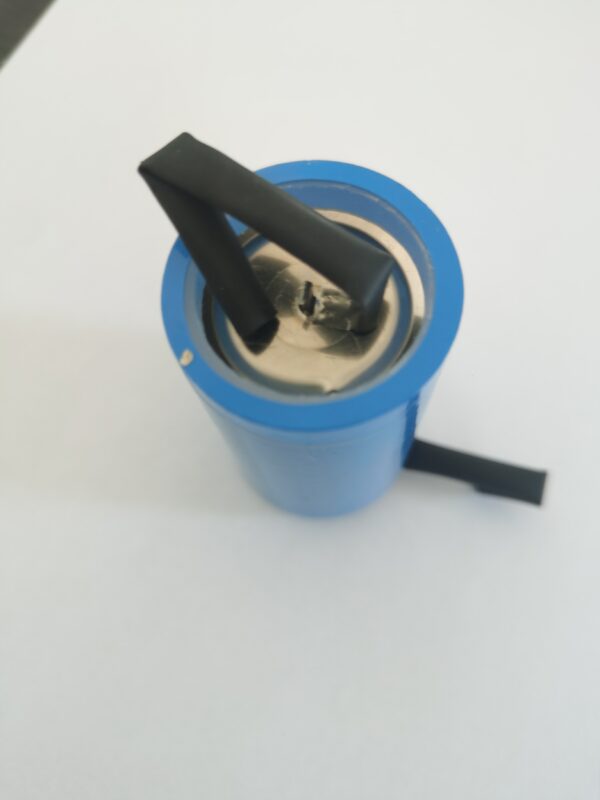
To effectively manage end-of-life (EOL) expenses, one must first understand the underlying chemistry. Unlike rechargeable lithium-ion batteries, primary lithium batteries (often utilizing lithium metal anodes) are designed for single-use applications requiring long shelf life and high energy density. Common chemistries include Lithium Manganese Dioxide (Li-MnO2) and Lithium Thionyl Chloride (Li-SOCl2).
The presence of metallic lithium and organic electrolytes classifies these units as hazardous waste in many jurisdictions. The stability that makes Li-SOCl2 ideal for remote sensors also necessitates specialized handling during disposal to prevent thermal runaway or chemical leakage. Consequently, EOL costs are driven by hazardous material handling fees, transportation compliance, and the complexity of material recovery. Recognizing these technical constraints is the first step toward cost reduction.
Core Strategies for Cost Reduction
1. Implement Design for Recycling (DfR) Principles
Cost reduction begins at the drawing board. Engineers should adopt Design for Recycling (DfR) methodologies to simplify the disassembly process. By minimizing the use of permanent adhesives and ensuring that battery compartments are easily accessible, manufacturers can significantly lower labor costs associated with waste processing.
Furthermore, selecting battery form factors that align with standard recycling streams reduces processing fees. Custom battery packs often require manual dismantling, whereas standard cylindrical or coin cells can be processed through automated shredding and separation lines. Collaborating with suppliers who offer modular solutions can streamline this process. For high-quality primary power sources designed with manufacturability in mind, explore our range at https://cnsbattery.com/primary-battery/.
2. Navigate Regulatory Compliance Proactively
Regulatory frameworks such as the EU Battery Regulation and various US state mandates impose strict reporting and recycling targets. Non-compliance results in hefty fines that dwarf actual recycling costs. Manufacturers must establish a robust compliance tracking system that monitors battery chemistry, weight, and destination markets.
Proactive compliance involves classifying batteries correctly under UN transportation regulations (e.g., UN 3090 vs. UN 3091) to avoid shipping delays and penalties. Engaging with legal experts who specialize in hazardous materials ensures that your EOL strategy aligns with current laws, preventing unexpected financial burdens.
3. Optimize Reverse Logistics Networks
Transportation constitutes a major portion of EOL costs. Shipping spent batteries requires hazardous material certification, specialized packaging, and approved carriers. To reduce these expenses, manufacturers should consolidate waste streams. Instead of frequent, small shipments, establish scheduled bulk pickups aligned with production cycles.
Additionally, partnering with regional recycling facilities reduces transit distances. A localized approach not only cuts freight costs but also lowers the carbon footprint, enhancing the company’s sustainability profile. Effective logistics planning turns a cost center into a managed operational flow.
4. Leverage Strategic Recycling Partnerships
Not all recycling vendors offer the same value. Some focus solely on disposal, while others offer material recovery credits. For primary lithium batteries, recovering metals like copper, steel, and sometimes lithium itself can offset disposal fees. Manufacturers should negotiate contracts that include transparency on recovery rates and cost-sharing models.
Building long-term relationships with certified recyclers ensures priority service and better pricing. It is essential to audit these partners regularly to ensure they adhere to environmental standards, protecting your brand from reputational risk. For inquiries regarding sustainable battery solutions and partnership opportunities, please reach out via https://cnsbattery.com/primary-battery-contact-us/.
Conclusion
Reducing lithium battery end-of-life costs requires a holistic approach that integrates technical understanding, regulatory foresight, and supply chain optimization. By focusing on design efficiency, compliance management, and strategic partnerships, manufacturers can transform EOL management from a financial burden into a controlled, predictable expense. As the industry moves towards a circular economy, those who proactively address these challenges will secure a competitive advantage in both cost and sustainability.
Investing in high-quality primary batteries and managing their lifecycle responsibly is paramount for long-term success. We invite technical buyers and engineers to discuss how optimized power solutions can contribute to your cost-reduction goals.
