
How to Reduce Li-SOCl₂ Battery Maintenance for Remote Pipeline Sensors
Remote pipeline monitoring represents one of the most challenging applications for power systems. Operators managing oil, gas, and water infrastructure across vast geographical areas face a critical question: how to minimize battery maintenance while ensuring uninterrupted sensor operation? Lithium thionyl chloride (Li-SOCl₂) batteries have emerged as the industry standard for this application, but proper implementation determines whether you achieve 10-year service life or face premature failures.
Understanding Li-SOCl₂ Technology Fundamentals
Li-SOCl₂ batteries deliver exceptional energy density (up to 720Wh/kg) and operate reliably across extreme temperature ranges (-55°C to 150°C). These characteristics make them ideal for remote pipeline sensors deployed in harsh environments. However, the chemistry presents unique considerations. The liquid cathode transfer mechanism that enables high energy density also creates voltage delay phenomena after high-temperature storage followed by low-temperature discharge.
For pipeline monitoring applications, understanding this behavior is crucial. Sensors typically operate in sleep mode with periodic transmission bursts. This pulse-load profile requires careful battery selection to avoid voltage depression that could trigger false low-battery alerts.
Strategic Maintenance Reduction Approaches
1. Proper Battery Sizing and Configuration
Undersizing remains the primary cause of premature battery replacement. Calculate total energy requirements including:
- Base sensor consumption (typically 5-15 μA in sleep mode)
- Transmission burst currents (can reach 100-500mA for LTE/5G modules)
- Environmental temperature compensation factors
- End-of-life voltage thresholds for your specific equipment
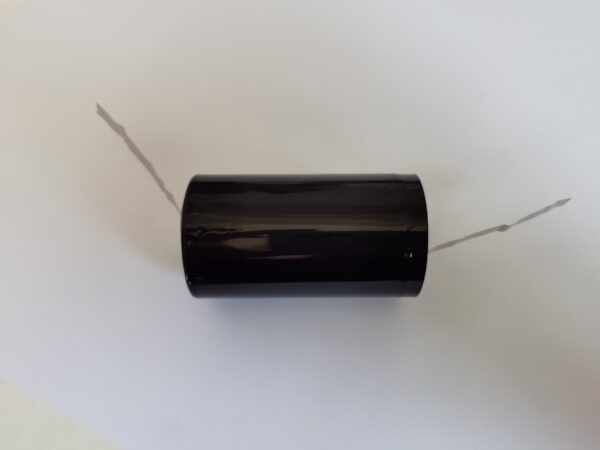
For high-pulse applications, consider hybrid configurations pairing Li-SOCl₂ cells with supercapacitors or HLC (Hybrid Layer Capacitor) technology. This approach handles current spikes without stressing the primary battery, extending overall service life by 30-40%.
2. Temperature Management Considerations
Pipeline sensors often experience significant temperature variations. Install batteries in insulated enclosures where feasible, and select cell chemistry rated for your specific temperature range. Bobbin-type cells offer better long-term stability for low-drain applications, while spiral-wound constructions handle higher pulse currents more effectively.
Case Study: A North American gas pipeline operator reduced battery replacement frequency from 5 years to 12+ years by switching from standard bobbin cells to temperature-compensated spiral configurations with proper thermal housing. The initial 35% cost premium delivered 140% ROI over the system lifecycle.
3. Voltage Monitoring and Predictive Replacement
Implement intelligent battery monitoring using fuel gauge ICs designed for Li-SOCl₂ chemistry. Traditional voltage-based monitoring proves unreliable due to the flat discharge curve. Instead, use impedance tracking or end-of-service (EOS) detection circuits that predict remaining capacity with 90%+ accuracy.
This enables scheduled replacement during planned maintenance windows rather than emergency responses to failed sensors. The operational cost savings typically exceed the monitoring system investment within 18 months.
Compliance and Procurement Essentials
Regulatory Compliance
Ensure batteries meet applicable international standards:
- UN 38.3: Required for all lithium battery transportation
- IEC 60086-4: Safety standards for primary lithium batteries
- ATEX/IECEx: Critical for hazardous location pipeline installations
- RoHS/REACH: Environmental compliance for global deployments
Documentation requirements vary by region. European installations typically require CE marking with technical files, while North American projects need UL recognition. Maintain complete certification records for audit purposes.
Supplier Qualification Criteria
When evaluating Li-SOCl₂ battery suppliers, prioritize:
- Manufacturing consistency: Request batch testing data and quality certificates
- Technical support: Ensure access to application engineering for system optimization
- Supply chain stability: Verify production capacity and lead time commitments
- Warranty terms: Standard warranties range 5-10 years; negotiate based on project scale
Avoid price-driven procurement decisions. Premium cells from established manufacturers typically deliver 2-3x longer service life than budget alternatives, resulting in lower total cost of ownership.
Implementation Best Practices
Storage and Handling
Li-SOCl₂ batteries self-discharge at approximately 1-2% annually under proper conditions. Store at 15-25°C in dry environments. Avoid temperature cycling during storage, which accelerates capacity loss. Before installation, verify open-circuit voltage meets specifications (typically 3.6-3.7V for fresh cells).
Installation Protocol
- Install batteries immediately before system commissioning
- Use corrosion-resistant contacts (gold-plated recommended)
- Apply dielectric grease to terminal connections
- Document installation date and initial voltage readings
- Configure monitoring systems with appropriate alarm thresholds
End-of-Life Management
Plan battery replacement 6-12 months before predicted end-of-service. Coordinate with regulatory requirements for lithium battery disposal. Many jurisdictions require certified recycling partners for large-scale deployments.
Real-World Performance Data
Industry surveys indicate properly implemented Li-SOCl₂ systems achieve:
- 85-95% achieve rated service life (10+ years)
- 12-15% require mid-life replacement due to application mismatches
- 3-5% experience premature failure from manufacturing defects or installation errors
These statistics emphasize the importance of proper specification, installation, and monitoring rather than battery chemistry limitations.
Making the Right Choice
Selecting Li-SOCl₂ batteries for pipeline sensors requires balancing technical requirements, regulatory compliance, and lifecycle economics. The upfront investment in quality cells, proper sizing, and monitoring systems pays dividends through reduced maintenance visits, minimized downtime, and predictable replacement scheduling.
For detailed product specifications and technical consultation on your specific pipeline monitoring application, explore our comprehensive primary battery solutions. Our engineering team provides application-specific recommendations based on your operational environment, power requirements, and maintenance objectives.
Ready to optimize your remote sensor power strategy? Contact our technical specialists at https://cnsbattery.com/primary-battery-contact-us/ for customized solutions that reduce maintenance burden while maximizing system reliability.
The information provided reflects current industry best practices as of 2026. Always consult manufacturer specifications and local regulations for your specific deployment requirements.
