
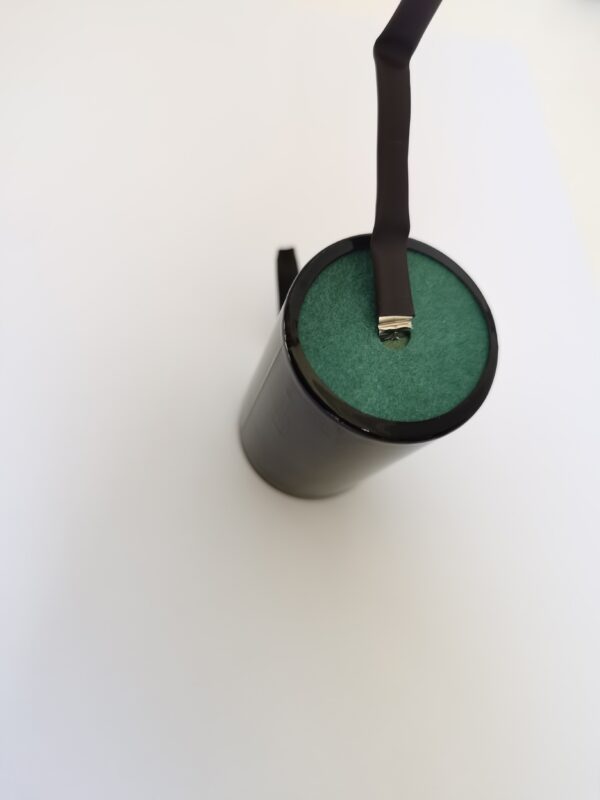
How to Prevent Li-SO₂ Battery Leakage in Military Night Vision Goggles
In the realm of modern defense technology, Military Night Vision Goggles (NVGs) represent a critical asset for operational success in low-light environments. The reliability of these devices hinges heavily on their power source. Lithium Sulfur Dioxide (Li-SO₂) primary batteries are the industry standard for such applications due to their high energy density, wide operating temperature range, and excellent storage life. However, battery leakage remains a paramount concern for engineers and technical purchasers. Leakage can corrode sensitive optical electronics, render equipment inoperable, and compromise mission safety. This article provides a technical analysis of leakage mechanisms and outlines rigorous prevention strategies from a professional lithium battery manufacturing perspective.
Understanding the Leakage Mechanism
To prevent leakage, one must first understand its root causes. Li-SO₂ batteries operate using a lithium anode and a sulfur dioxide cathode with an organic electrolyte. While stable under normal conditions, several factors can trigger electrolyte escape:
- Internal Pressure Buildup: During discharge or exposure to high temperatures, internal pressure can rise. If the cell casing cannot withstand this pressure or if the safety vent fails, the seal may compromise.
- Seal Degradation: The glass-to-metal or polymer-to-metal seals are vulnerable to thermal cycling and mechanical vibration, common in military field operations.
- Corrosion: Although Li-SO₂ chemistry is generally non-corrosive compared to alkaline alternatives, prolonged storage or manufacturing defects can lead to casing erosion over time.
Engineering Controls for Leakage Prevention
Preventing leakage begins at the manufacturing stage. High-quality primary lithium battery producers implement specific design features to mitigate risks.
1. Hermetic Sealing Technology
The integrity of the cell casing is the first line of defense. Advanced laser welding techniques are superior to traditional crimping methods. Laser welding creates a homogeneous metal bond that eliminates micro-gaps where electrolyte could escape. For military NVGs, which often undergo rigorous shock and vibration testing, a fully hermetic seal is non-negotiable. Engineers should specify batteries that utilize double-seal designs, ensuring redundancy in case the primary seal experiences stress.
2. Pressure Relief Venting
Paradoxically, preventing explosion sometimes requires controlled venting. High-quality Li-SO₂ cells incorporate precision safety vents. These mechanisms are calibrated to open only under extreme over-pressure conditions, releasing gas safely without ejecting liquid electrolyte. This prevents catastrophic casing rupture while maintaining the integrity of the surrounding device. When sourcing batteries, verify that the venting mechanism is designed to direct gas away from sensitive electronic contacts.
3. Material Compatibility and Passivation
The internal components must be compatible with the aggressive nature of liquid SO₂ under pressure. Manufacturers utilize specialized alloys for the cell casing that resist corrosion over long storage periods. Additionally, the formation of a stable passivation layer on the lithium anode is crucial. This layer prevents self-discharge and internal gas generation during storage. A robust passivation film ensures that when the battery is finally installed in the NVG, the initial voltage delay is minimized, and internal pressure remains stable.
Operational Best Practices for End Users
Even the best-engineered battery can fail if mishandled. Technical purchasers and logistics officers must enforce strict operational protocols.
- Temperature Management: While Li-SO₂ batteries perform well in extreme cold (-55°C) and heat (+70°C), prolonged storage at the upper limit of this range accelerates chemical reactions and increases internal pressure. Store batteries in climate-controlled environments whenever possible.
- Installation Polarity: Reverse installation can cause immediate heating and pressure buildup. NVG battery compartments should be clearly marked, and personnel should be trained on correct orientation.
- Shelf Life Monitoring: Although Li-SO₂ batteries have a shelf life of up to 10 years, using cells near the end of their life cycle increases leakage risk. Implement a First-In-First-Out (FIFO) inventory system.
Quality Assurance and Compliance
For military applications, compliance with standards such as MIL-STD-810 is essential. This includes testing for vibration, shock, and temperature cycling. A reliable supplier will provide test reports confirming that their cells maintain seal integrity under these conditions. Regular batch testing for leakage rates and internal resistance is a hallmark of a reputable manufacturer.
Conclusion
Preventing Li-SO₂ battery leakage in Military Night Vision Goggles requires a synergy of advanced manufacturing engineering and disciplined operational handling. By prioritizing hermetic sealing, precise venting mechanisms, and strict adherence to storage protocols, defense organizations can ensure the reliability of their critical night vision assets.
For defense contractors and procurement officers seeking high-reliability power solutions, selecting a partner with proven expertise in primary lithium technology is vital. We specialize in manufacturing military-grade Li-SO₂ and Li-SOCl₂ batteries designed to withstand the rigors of modern combat. To discuss your specific power requirements or request technical datasheets, please visit our product page. Our engineering team is ready to assist with custom solutions that meet stringent military standards. For direct inquiries regarding supply chains or technical support, please contact us through our official contact channel. Ensuring power reliability is not just about performance; it is about mission success and operator safety.
