
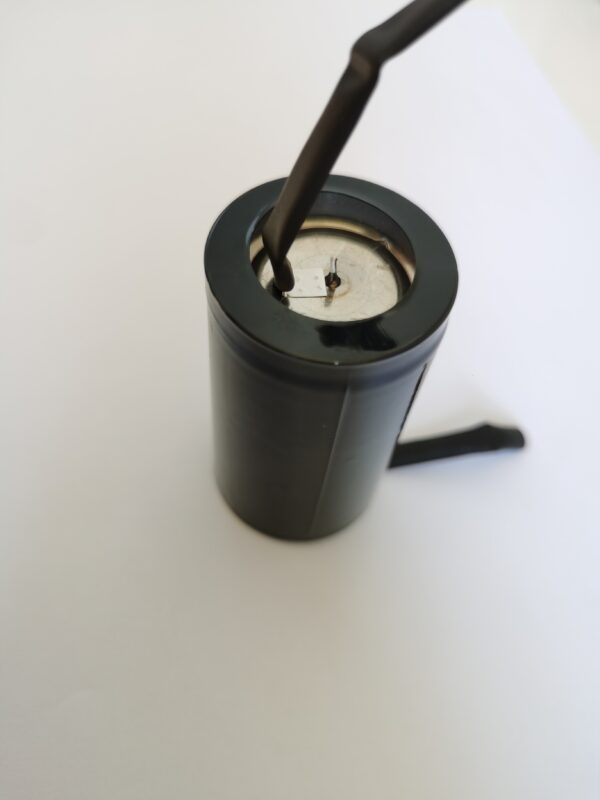
How to Prevent Li-SO₂ Battery Damage in Police Body Cameras
In the realm of law enforcement technology, reliability is not merely a feature; it is a mandate. Police body cameras serve as critical tools for transparency, evidence collection, and officer safety. While many commercial devices utilize rechargeable Li-ion cells, specialized law enforcement equipment operating in extreme environments often relies on Lithium Sulfur Dioxide (Li-SO₂) primary batteries. These cells offer unparalleled energy density and operational stability under harsh conditions. However, the unique chemistry of Li-SO₂ batteries demands rigorous handling protocols to prevent damage, leakage, or catastrophic failure. This article outlines the essential technical strategies for engineers and procurement specialists to mitigate risks associated with Li-SO₂ power sources in body-worn devices.
Understanding Li-SO₂ Battery Chemistry
To prevent damage, one must first understand the underlying technology. A Li-SO₂ battery is a non-rechargeable primary cell consisting of a lithium anode, a sulfur dioxide cathode, and an organic electrolyte containing lithium bromide. During discharge, lithium is oxidized, and sulfur dioxide is reduced, generating a nominal voltage of 3.0V.
A key characteristic of this chemistry is the formation of a passivation layer on the lithium anode. This layer protects the battery from self-discharge, enabling a shelf life of up to 10 years. However, this same layer can cause temporary voltage delay under high-load pulses if the battery has been stored for extended periods. In the context of police body cameras, which may require sudden high-current bursts for video recording or data transmission, understanding this behavior is crucial. Misinterpreting voltage delay as battery failure can lead to unnecessary replacements, while forcing high loads without preconditioning can stress the cell structure. For a comprehensive overview of suitable primary battery technologies for rugged devices, visit https://cnsbattery.com/primary-battery/.
Thermal Management and Operational Limits
Thermal abuse is the leading cause of Li-SO₂ battery damage. While these cells boast an impressive operating temperature range, typically from -55°C to +70°C, exceeding these limits can compromise the internal pressure vessel. In body camera applications, devices are often clipped to uniforms near the officer’s body heat or exposed to direct sunlight in parked vehicles.
Engineers must design battery compartments with adequate thermal insulation and ventilation. If the internal temperature exceeds 85°C, the electrolyte pressure may rise sufficiently to trigger the safety vent. Once vented, the battery is permanently damaged and may leak corrosive electrolyte onto the device’s PCB. Procurement teams should specify cells with built-in PTC (Positive Temperature Coefficient) protectors where possible, ensuring that the battery management system (BMS) monitors temperature in real-time. Storage protocols are equally vital; batteries should never be stored in environments where ambient temperatures fluctuate wildly, as thermal cycling can weaken the glass-to-metal seals.
Electrical Safety: The Prohibition on Recharging
The most critical rule in preventing Li-SO₂ battery damage is absolute: never attempt to recharge a primary Li-SO₂ cell. Unlike Li-ion polymer batteries, Li-SO₂ chemistry is not reversible. Attempting to force a current back into the cell causes the buildup of metallic lithium dendrites, which can pierce the separator and cause an internal short circuit. This reaction is exothermic and can lead to thermal runaway, venting, or explosion.
In device design, the charging circuit must be physically disconnected from the Li-SO₂ compartment. For body cameras that utilize Li-SO₂ batteries as a backup power source alongside a main rechargeable pack, the circuitry must include diode isolation to prevent back-feeding from the charging bus. Technical purchasers must verify that the device firmware does not initiate charging cycles when primary cells are detected. Clear labeling on the battery compartment is also required to prevent end-users from placing rechargeable cells in primary slots or vice versa.
Physical Integration and Contact Resistance
Mechanical stress can induce internal damage that is not immediately visible. Police body cameras are subject to significant vibration, shock, and impact during daily operations. If a Li-SO₂ cell is not securely mounted, vibration can cause the internal jelly roll to shift, potentially damaging the tab welds or the separator.
Furthermore, high contact resistance at the battery terminals can generate localized heat during high-current discharge. This heat can degrade the plastic battery holder and increase the risk of thermal stress on the cell. Engineers should utilize gold-plated contacts and ensure spring tension is within the manufacturer’s specifications. The battery compartment should be sealed to IP67 standards or higher to prevent moisture ingress. Humidity can corrode external contacts and, in severe cases, compromise the battery’s negative seal, leading to leakage.
Storage and Shelf Life Considerations
Even when not in use, Li-SO₂ batteries require specific storage conditions to maintain integrity. They should be kept in a cool, dry environment, ideally between 15°C and 25°C. Storing batteries in high-humidity areas can lead to corrosion of the external steel casing. Additionally, batteries should not be stored loose where they can come into contact with metal objects, as this poses a short-circuit risk.
For law enforcement agencies managing large fleets of devices, implementing a First-In-First-Out (FIFO) inventory system ensures that batteries are used within their optimal performance window. While Li-SO₂ cells have low self-discharge rates, using older stock for critical mission devices reduces the margin of safety. Regular voltage checks on stored inventory can help identify cells that may have degraded due to improper storage conditions.
Conclusion
The integration of Li-SO₂ batteries into police body cameras offers significant advantages in terms of longevity and environmental resilience, but it requires a disciplined approach to engineering and maintenance. By adhering to strict thermal limits, prohibiting recharging, ensuring robust physical integration, and following proper storage protocols, agencies can prevent battery damage and ensure mission-critical reliability.
Selecting the right power source is the first step toward device integrity. For technical consultations regarding primary battery specifications and custom integration solutions, please reach out via https://cnsbattery.com/primary-battery-contact-us/. Prioritizing battery safety is not just about protecting hardware; it is about ensuring that law enforcement technology performs flawlessly when public safety depends on it.
