
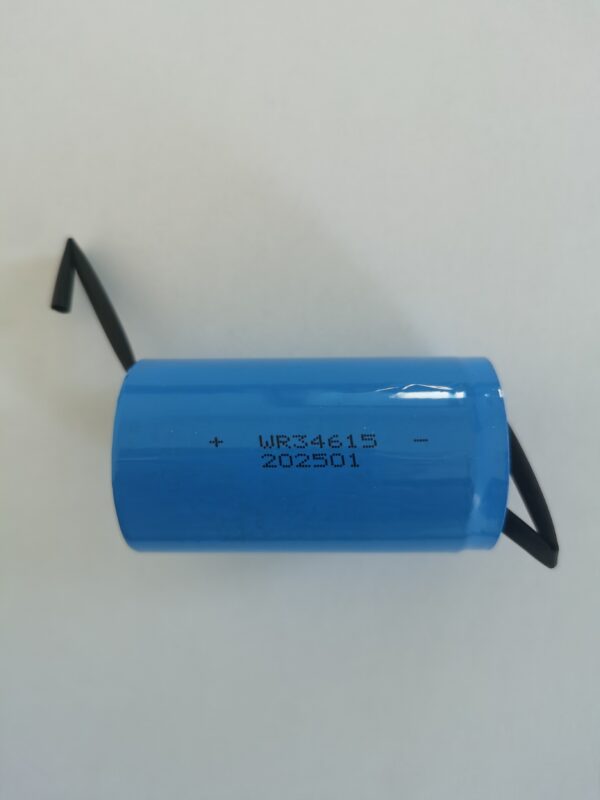
Here is the SEO-optimized article tailored for the B2B market, specifically targeting the unique challenges of military and tactical radio power systems.
How to Prevent Li-SO₂ Battery Damage in SWAT Tactical Radios
In the high-stakes environment of tactical operations, the failure of a communication device is not an option. For SWAT teams and special operations units, the reliability of a radio often depends on the integrity of its power source. Lithium-Thionyl Chloride (Li-SO₂) batteries are the preferred choice for these critical applications due to their ability to function in extreme temperatures and deliver high pulse power. However, these batteries are chemically complex, and improper handling or integration can lead to catastrophic damage, resulting in “dead” radios at the worst possible moment.
As a primary battery specialist, I have seen firsthand how environmental factors and design oversights compromise Li-SO₂ cells. This guide provides a technical deep dive into preventing damage to these batteries within tactical radio systems, ensuring your equipment remains mission-ready.
Understanding the Chemistry: Why Li-SO₂ is Different
Before discussing damage prevention, it is crucial to understand the fundamental difference between primary lithium batteries and their secondary (rechargeable) counterparts.
Li-SO₂ batteries utilize a lithium metal anode and a thionyl chloride liquid cathode. This chemistry provides a nominal voltage of 3.6V and an incredibly high energy density. However, this high energy comes with specific chemical sensitivities:
- Passivation Layer: A critical feature of Li-SO₂ cells is the formation of a passivation layer (LiCl) on the lithium anode. This layer forms naturally when the battery is at rest and prevents self-discharge.
- Voltage Delay: When a load is first applied, there is a “voltage delay” as the chemical reaction breaks down this passivation layer. If the load is too high too quickly, the voltage can sag excessively, causing the radio to shut down.
- Irreversible Reactions: Unlike rechargeable batteries, primary lithium cells cannot reverse chemical reactions. Once damaged, the cell is permanently degraded.
The Three Primary Causes of Damage and How to Mitigate Them
Damage to Li-SO₂ batteries in tactical radios typically falls into three categories: voltage delay mismanagement, thermal stress, and physical corrosion.
1. Managing Voltage Delay and Pulse Loads
Tactical radios are not constant load devices; they switch between low-power standby and high-power transmission. This creates high current pulses that can overwhelm a “cold” Li-SO₂ cell.
- The Problem: If a radio attempts to transmit immediately after being turned on, the passivation layer is thick. The sudden high current demand causes the voltage to drop below the radio’s cut-off threshold (often around 2.0V per cell), leading to a system crash. Repeated deep voltage drops can physically damage the cell structure.
- The Solution: Implement a “warm-up” protocol in the radio firmware. If the radio has been in storage for an extended period, the software should restrict transmission for the first 30-60 seconds, allowing the chemical reaction to stabilize. From a hardware perspective, pairing the Li-SO₂ cell with a supercapacitor can provide the instantaneous energy for the pulse, shielding the battery from the initial high current shock.
2. Thermal Management in Extreme Environments
SWAT operations can involve rapid transitions from air-conditioned vehicles to high-heat environments or freezing outdoor conditions.
- The Problem: While Li-SO₂ batteries excel in cold weather (operating down to -55°C), extreme heat (above 60°C) accelerates the chemical reactions and increases internal pressure. This can lead to electrolyte leakage or, in rare cases, venting. Conversely, attempting high pulses in extreme cold without proper warm-up causes mechanical stress on the electrodes.
- The Solution: Design the radio housing with thermal conductivity in mind. Use materials that dissipate heat away from the battery compartment during high-power transmission. For cold weather operations, ensure the radio chassis allows for body heat transfer to the battery when carried close to the operator.
3. Preventing Physical Corrosion and Leakage
The physical integrity of the battery pack is paramount. Tactical gear is often exposed to sweat, rain, and cleaning solvents.
- The Problem: Moisture ingress can cause external short circuits or corrode the battery contacts. More critically, if the battery seal is compromised, the aggressive thionyl chloride electrolyte can leak, destroying the radio’s circuitry.
- The Solution: Always utilize batteries with hermetically sealed stainless steel casings. Ensure the radio’s battery compartment has an IP67 rating or higher to prevent moisture ingress. Regular maintenance to clean battery contacts with isopropyl alcohol prevents resistance buildup, which can generate localized heat and damage the cell.
Best Practices for Storage and Handling
Improper storage is a silent killer of primary lithium batteries.
- Avoid High Humidity: Store batteries in a climate-controlled environment. High humidity accelerates external corrosion of the terminals.
- Temperature Control: While Li-SO₂ batteries have a long shelf life (up to 10-15 years), storing them above 30°C will significantly reduce their capacity over time.
- Do Not Mix: Never mix old and new batteries, or batteries from different manufacturers, in the same radio. Different internal resistances can cause one cell to force current through another, leading to leakage.
Partnering with a Technical Expert
Selecting the right battery is only half the battle; integrating it correctly into your tactical communication system is where true reliability is built. At CNS Battery, we specialize in custom primary lithium solutions designed to meet the rigorous demands of military and emergency response equipment.
If you are designing or maintaining a fleet of tactical radios and need a power solution that won’t let you down, our engineering team is ready to assist. We provide technical consultation to ensure your power source is optimized for your specific operational profile.
For expert advice on selecting the right primary battery for your tactical gear, contact our technical sales team today. You can also explore our range of high-reliability primary batteries built for extreme environments at https://cnsbattery.com/primary-battery/.
