

How to Prevent Li-SO₂ Battery Corrosion in Marine EPIRB Devices
Marine safety relies on equipment functioning flawlessly when needed most. Among the most critical devices on a vessel is the Emergency Position Indicating Radio Beacon (EPIRB). These devices depend on high-energy-density Lithium-Thionyl Chloride (Li-SO₂) batteries to activate instantly during a maritime emergency. However, the marine environment presents a unique challenge: corrosion. As a professional primary lithium battery manufacturer, CNS Battery understands that preventing corrosion is not just about maintenance; it is about ensuring the survival of the device and, by extension, the survival of those on board. This article explores the technical aspects of preventing Li-SO₂ battery corrosion in Marine EPIRB devices.
Understanding the Threat: Why Li-SO₂ Batteries are Vulnerable
Lithium-Thionyl Chloride batteries are the preferred power source for EPIRBs due to their high specific energy and long shelf life. However, their chemistry involves reactive materials that can be compromised by the marine environment.
The primary threat comes from the interaction between the battery’s metallic components and the saline atmosphere. Salt spray, high humidity, and temperature fluctuations can accelerate the degradation of the battery casing and terminals. If moisture penetrates the battery housing, it can lead to internal short circuits or, worse, the release of corrosive byproducts that damage the EPIRB’s circuitry.
Technical Strategies for Corrosion Prevention
Preventing corrosion in Li-SO₂ batteries requires a multi-layered approach, combining robust battery design with proper device integration. Here are the key technical strategies:
1. Hermetic Sealing and Casing Design
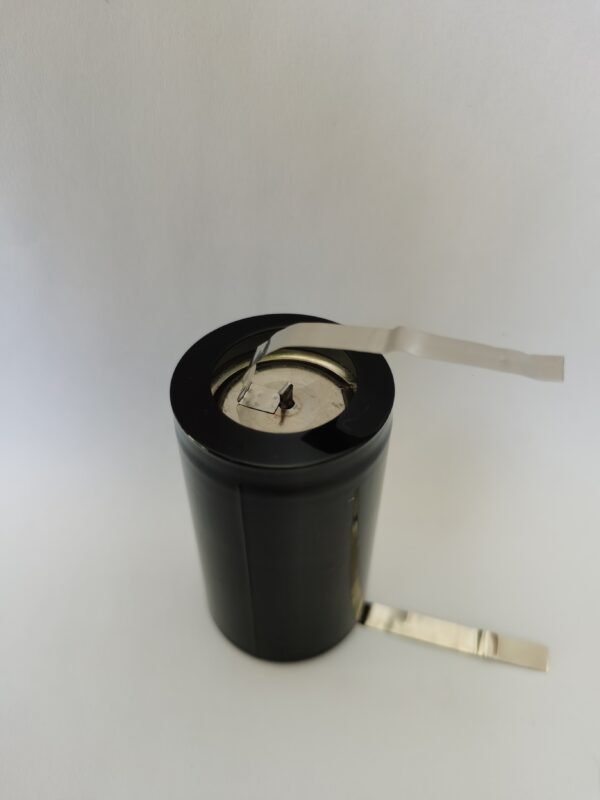
The first line of defense is the battery’s physical construction. A high-quality Li-SO₂ battery should utilize a hermetically sealed design to prevent any ingress of moisture or salt particles. This involves using laser welding techniques to seal the battery casing, ensuring there are no microscopic gaps for corrosive agents to enter.
2. Terminal Protection
Battery terminals are often the most vulnerable point of entry for moisture. To mitigate this, manufacturers should apply specialized coatings or use insulating materials on the terminals. Additionally, the design of the terminal should prevent the accumulation of water droplets, which could otherwise lead to electrolytic corrosion over time.
3. Environmental Testing and Validation
Before a Li-SO₂ battery is deployed in an EPIRB, it must undergo rigorous environmental testing. This includes exposure to salt spray chambers, high-temperature storage tests, and thermal cycling. These tests validate that the battery can withstand the harsh conditions of the open sea without suffering from corrosion-related failures.
The Role of Proper Installation and Maintenance
While the battery design is crucial, the way it is installed and maintained in the EPIRB also plays a significant role in preventing corrosion.
1. Correct Polarity and Secure Fit
Ensuring that the battery is installed with the correct polarity and a secure fit prevents mechanical stress on the terminals. Loose connections can lead to arcing and heat generation, which can degrade the protective coatings on the battery and accelerate corrosion.
2. Regular Inspections
Marine operators should conduct regular inspections of their EPIRBs. This involves checking the battery compartment for any signs of moisture ingress or corrosion. If any issues are detected, the battery should be replaced immediately to prevent further damage to the device.
3. Storage Conditions
When not in use, EPIRBs should be stored in a dry, temperature-controlled environment. Avoiding prolonged exposure to direct sunlight and extreme temperatures can significantly extend the life of the Li-SO₂ battery and prevent premature corrosion.
Choosing the Right Battery for Marine Applications
Selecting the right battery is a critical decision for marine safety. When choosing a Li-SO₂ battery for EPIRB applications, look for manufacturers that prioritize corrosion resistance in their design. This includes using high-purity materials for the casing and terminals, as well as implementing strict quality control measures during production.
CNS Battery offers a range of primary lithium batteries designed to meet the stringent requirements of marine safety equipment. Our products are engineered to provide reliable power in the most challenging environments, ensuring that your EPIRB is ready when you need it most.
Conclusion
Preventing Li-SO₂ battery corrosion in Marine EPIRB devices is essential for maintaining the integrity of maritime safety systems. By understanding the vulnerabilities of these batteries and implementing the technical strategies outlined above, marine operators can ensure that their EPIRBs remain operational and reliable. For more information on our range of primary lithium batteries and how they can be integrated into your marine safety systems, visit our product page or contact us directly.

