
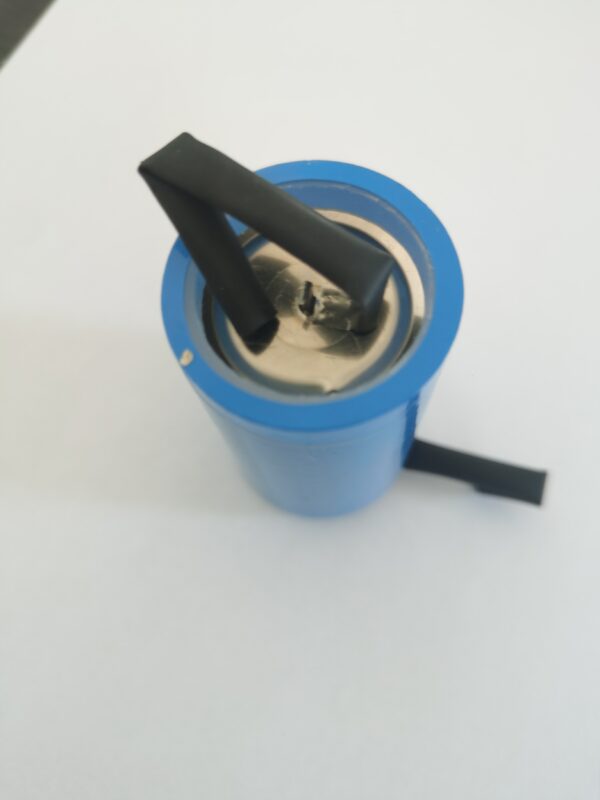
How to Optimize Lithium Battery Procurement for Large-Scale Projects
In today’s rapidly evolving industrial landscape, optimizing lithium battery procurement for large-scale projects has become a critical strategic imperative for engineering teams and technical purchasers worldwide. With global demand for energy storage solutions accelerating across renewable energy, telecommunications, and IoT sectors, establishing an efficient procurement framework directly impacts project timelines, operational costs, and long-term reliability. This guide provides actionable insights for B2B professionals seeking to streamline their lithium battery sourcing processes while maintaining technical excellence.
Understanding Lithium Primary Battery Technology Fundamentals
Before diving into procurement strategies, technical buyers must grasp the core principles of lithium metal primary battery technology. Unlike rechargeable lithium-ion systems, lithium primary batteries utilize lithium metal as the anode material, offering distinct advantages including higher energy density, extended shelf life, and minimal self-discharge rates. These characteristics make them particularly suitable for applications requiring long-term, maintenance-free operation in remote or extreme environments.
The electrochemical reaction between lithium metal and various cathode materials (such as manganese dioxide or thionyl chloride) generates stable voltage output over extended periods. This technical foundation informs procurement decisions, as different chemistries serve specific application requirements. Understanding these distinctions enables engineering teams to specify appropriate battery types that align with project performance criteria.
Strategic Procurement Framework for Large-Scale Deployments
1. Comprehensive Requirements Assessment
Begin by conducting a thorough technical requirements analysis. Document operational parameters including voltage specifications, capacity needs, temperature ranges, and expected service life. Large-scale projects often involve thousands of battery units, making precise specifications essential for avoiding costly mismatches. Engage cross-functional teams—including engineering, operations, and finance—to establish clear procurement criteria that balance performance requirements with budget constraints.
2. Supplier Qualification and Verification
Establishing robust supplier qualification protocols represents a cornerstone of successful procurement. Evaluate potential partners based on manufacturing certifications (ISO 9001, UL, CE), production capacity, quality control systems, and track record in similar projects. Request detailed technical documentation, including safety data sheets, performance test reports, and compliance certificates. For industrial applications, prioritize suppliers with proven expertise in lithium primary battery manufacturing and deployment across relevant sectors.
3. Total Cost of Ownership Analysis
Move beyond unit price comparisons to calculate comprehensive total cost of ownership (TCO). Factor in shipping logistics, import duties, inventory holding costs, replacement cycles, and potential downtime expenses. High-quality lithium primary batteries may carry higher initial costs but deliver superior long-term value through extended service life and reduced maintenance requirements. Develop financial models that project costs over the entire project lifecycle, enabling data-driven decision-making.
4. Supply Chain Risk Mitigation
Diversify supply sources to minimize disruption risks. Geographic concentration of battery manufacturing creates vulnerability to regional disruptions, trade policy changes, or logistics bottlenecks. Establish relationships with multiple qualified suppliers across different regions while maintaining consistent technical specifications. Implement inventory buffer strategies for critical components, balancing carrying costs against supply continuity requirements.
5. Quality Assurance and Testing Protocols
Implement rigorous incoming quality inspection procedures. Develop sampling plans based on industry standards (such as ANSI/ASQ Z1.4) to verify battery performance against specifications. Conduct periodic third-party testing to validate manufacturer claims regarding capacity, discharge characteristics, and safety features. Document all quality metrics systematically, creating traceability records that support warranty claims and continuous improvement initiatives.
6. Contractual Framework and Service Level Agreements
Negotiate comprehensive contracts that address technical specifications, delivery schedules, warranty terms, and after-sales support. Include clear provisions for non-conformance resolution, replacement procedures, and technical assistance. Establish service level agreements (SLAs) that define response times for technical inquiries, warranty claims processing, and emergency supply scenarios. Well-structured contracts protect project interests while fostering collaborative supplier relationships.
Leveraging Technology for Procurement Optimization
Modern procurement teams should leverage digital tools to enhance visibility and efficiency. Implement supplier management platforms that track performance metrics, delivery reliability, and quality trends over time. Utilize data analytics to identify optimization opportunities, forecast demand patterns, and negotiate favorable terms based on historical performance data.
Building Long-Term Supplier Partnerships
Transition from transactional purchasing to strategic partnership models. Engage suppliers early in project planning phases to leverage their technical expertise and innovation capabilities. Collaborative relationships enable joint problem-solving, customized solutions, and preferential access to new technologies. Regular performance reviews and open communication channels strengthen partnerships while driving continuous improvement.
Conclusion
Optimizing lithium battery procurement for large-scale projects demands a systematic approach combining technical knowledge, strategic planning, and relationship management. By implementing the frameworks outlined above, engineering teams and technical purchasers can achieve cost efficiency, supply reliability, and performance excellence. For organizations seeking expert guidance on lithium primary battery solutions and procurement support, professional consultation is available through dedicated channels. Reach out via our contact page to discuss your specific project requirements and explore tailored procurement strategies.
Success in large-scale battery procurement ultimately hinges on balancing technical specifications, cost considerations, and supply chain resilience. Organizations that invest in robust procurement frameworks position themselves for sustainable competitive advantage in an increasingly energy-dependent global marketplace.
