
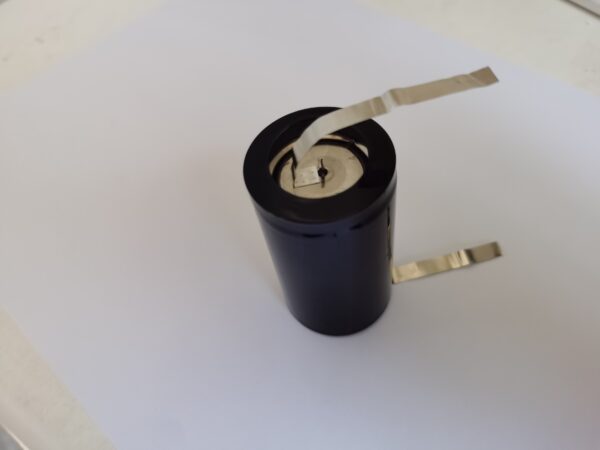
How to Handle Lithium Battery Regulatory Changes in Target Markets
Navigating the evolving landscape of lithium battery regulations has become a critical challenge for global manufacturers, engineers, and procurement professionals. As international safety standards tighten and environmental compliance requirements expand, businesses must develop proactive strategies to ensure their lithium metal primary batteries meet all applicable regulatory frameworks across target markets. This article provides actionable guidance for handling regulatory changes while maintaining operational efficiency and product integrity.
Understanding the Regulatory Landscape
Lithium metal primary batteries operate on electrochemical principles where lithium serves as the anode material, offering high energy density and long shelf life. However, these same characteristics that make them valuable for industrial applications also trigger stringent regulatory scrutiny. The UN Manual of Tests and Criteria, IEC 60086-4, and regional directives like the EU Battery Regulation form the cornerstone of global compliance requirements.
Key regulatory bodies include:
- UN Transport Regulations (UN 38.3 testing requirements)
- IEC Standards (International Electrotechnical Commission)
- Regional Directives (EU, North America, Asia-Pacific)
- Environmental Compliance (RoHS, REACH, Battery Directive)
Core Strategies for Regulatory Compliance
1. Establish a Regulatory Monitoring System
Create a dedicated compliance team or partner with regulatory experts who continuously track changes across your target markets. Subscribe to official notification channels from transportation authorities, standards organizations, and environmental agencies. Implement automated alert systems that flag relevant regulatory updates before they become enforceable.
2. Maintain Comprehensive Technical Documentation
Every lithium primary battery shipment requires complete technical documentation including safety data sheets, test reports, and classification certificates. Ensure your UN 38.3 test reports remain current and cover all required tests: altitude simulation, thermal testing, vibration, shock, external short circuit, impact, overcharge, and forced discharge.
3. Design for Compliance from the Start
Integrate regulatory requirements into your product development lifecycle. Consider cell chemistry, packaging configurations, and state-of-charge limitations during the design phase. Lithium metal batteries typically contain less than 1g of lithium per cell for consumer applications, but industrial configurations may require special handling classifications.
4. Implement Robust Quality Control Systems
Consistent manufacturing processes ensure every battery unit meets specified safety parameters. Document quality control procedures, maintain traceability records, and conduct regular internal audits. Any deviation from certified specifications can invalidate compliance certifications and trigger regulatory penalties.
5. Partner with Certified Suppliers and Logistics Providers
Work exclusively with suppliers who maintain valid compliance certifications. Verify their audit records and request current documentation before establishing partnerships. Similarly, select logistics providers experienced in dangerous goods transportation who understand lithium battery shipping requirements across different jurisdictions.
Regional Considerations
European Union: The new EU Battery Regulation introduces battery passports, carbon footprint declarations, and enhanced recycling requirements. Prepare for digital compliance documentation and supply chain transparency obligations.
North America: DOT and PHMSA regulations govern transportation while state-level regulations may impose additional recycling or labeling requirements. Stay informed about California Proposition 65 and similar initiatives.
Asia-Pacific: Countries like Japan, South Korea, and China maintain distinct certification requirements. CB Scheme certifications can streamline multi-market approval processes but may not cover all regional specifics.
Technical Compliance Fundamentals
Understanding lithium battery chemistry helps engineers make informed compliance decisions. Lithium metal primary batteries use lithium as the anode with various cathode materials (MnO2, SOCl2, SO2) determining voltage characteristics and application suitability. The non-rechargeable nature distinguishes them from lithium-ion batteries, affecting classification and transportation requirements.
Key technical parameters affecting compliance include:
- Lithium content per cell and battery
- Watt-hour ratings for packaging classification
- State-of-charge limitations during transport
- Packaging group assignments based on test results
Building Long-Term Compliance Resilience
Regulatory changes will continue accelerating as governments prioritize safety and environmental protection. Develop flexible compliance frameworks that adapt quickly to new requirements. Invest in staff training, maintain relationships with testing laboratories, and budget for certification updates as part of ongoing operational costs.
For comprehensive guidance on lithium primary battery compliance and product specifications, visit our product portfolio. Our technical team can assist with regulatory questions and certification requirements across global markets.
Conclusion
Successfully navigating lithium battery regulatory changes requires systematic planning, continuous monitoring, and strategic partnerships. By implementing the strategies outlined above, engineers and procurement professionals can minimize compliance risks while maintaining supply chain efficiency. Remember that regulatory compliance is not a one-time achievement but an ongoing commitment requiring dedicated resources and expert knowledge.
For specific compliance inquiries or technical consultation, contact our regulatory specialists who can provide market-specific guidance tailored to your operational needs.
This article provides general guidance and should not replace professional regulatory consultation. Always verify current requirements with applicable authorities before shipping or importing lithium battery products.
