
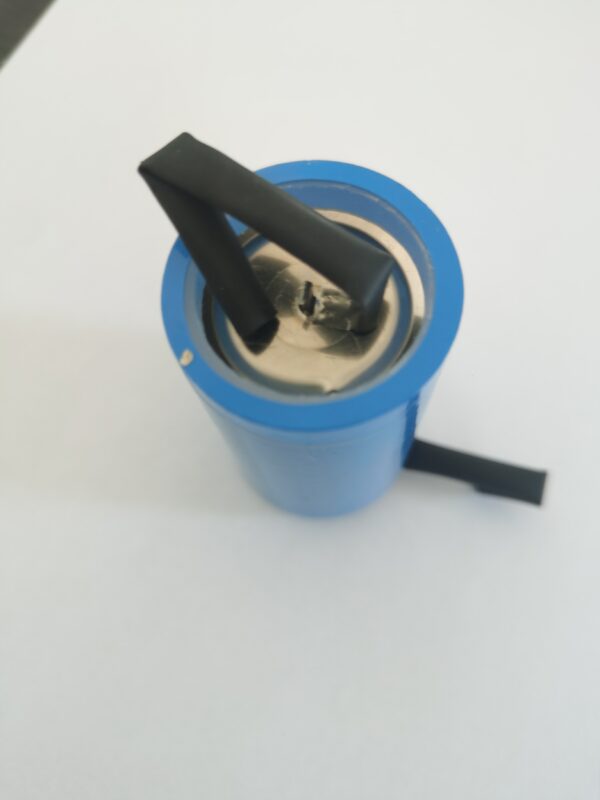
How to Fix Li-SO₂ Battery Activation Delay in Emergency Rescue Gear
Emergency rescue equipment demands instant reliability when lives hang in the balance. Li-SO₂ (Lithium-Sulfur Dioxide) batteries have long been the power source of choice for critical emergency devices across North America, Europe, and the Middle East due to their exceptional energy density and wide operating temperature range. However, voltage delay during activation remains a persistent challenge that can compromise mission-critical operations. This comprehensive guide addresses the root causes and provides actionable solutions for eliminating Li-SO₂ battery activation delays in emergency rescue gear.
Understanding Voltage Delay in Li-SO₂ Primary Batteries
Voltage delay occurs when a lithium primary battery exhibits temporary voltage depression upon initial load application after extended storage. This phenomenon stems from the formation of a passivation layer on the lithium anode surface—a protective lithium sulfite (Li₂SO₃) film that develops during storage. While this layer prevents self-discharge and extends shelf life, it creates initial resistance when current demand begins.
For emergency rescue equipment deployed in USA fire departments, European mountain rescue teams, or Asian disaster response units, understanding this electrochemical behavior is essential for maintaining operational readiness.
Core Solutions for Eliminating Activation Delay
1. Pre-Deployment Conditioning Protocols
Implement systematic battery conditioning before equipment deployment. Apply a brief low-current load (C/100 rate) for 30-60 seconds to break down the passivation layer without significant capacity loss. This pre-activation technique has proven effective for emergency gear stored in warehouses across Germany, Australia, and Canada where equipment may remain idle for months.
2. Optimized Storage Temperature Management
Store Li-SO₂ batteries at controlled temperatures between 15°C and 25°C. Extreme cold accelerates passivation layer thickening, while excessive heat increases self-discharge rates. Emergency equipment facilities in Scandinavian countries and Middle Eastern regions should implement climate-controlled storage rooms to maintain optimal battery chemistry stability.
3. Load Profile Design Considerations
Engineer your emergency device circuitry with a two-stage power delivery system. Initial wake-up circuits should draw minimal current (under 50mA) for the first 2-3 seconds, allowing the passivation layer to dissolve gradually before full operational load engages. This approach has been successfully adopted by emergency communication device manufacturers serving markets in Japan, UK, and Brazil.
4. Battery Selection Based on Application Requirements
Not all Li-SO₂ cells perform identically under emergency conditions. Select batteries with optimized electrolyte formulations that balance passivation characteristics with activation speed. High-drain emergency beacons require different specifications than low-drain monitoring sensors deployed across North American wilderness rescue operations.
5. Regular Maintenance Testing Schedule
Establish quarterly activation testing for all stored emergency equipment. Apply operational load for 5-10 seconds every 90 days to maintain electrode surface readiness. This maintenance protocol complies with NFPA standards for emergency equipment in the United States and meets CE certification requirements for European Union member states.
Technical Considerations for Global Compliance
When deploying emergency rescue gear internationally, ensure battery specifications meet regional regulatory requirements. UN 38.3 transportation certification is mandatory for shipping lithium primary batteries across all continents. Additionally, REACH compliance applies to European deployments, while FCC regulations govern electronic emergency devices operating in North American frequencies.
Temperature performance specifications should match your operational theater. Li-SO₂ batteries typically operate from -55°C to +70°C, making them suitable for Arctic rescue operations in Norway or desert emergency response in Saudi Arabia. However, verify specific cell chemistry ratings before deployment in extreme environments.
CNS BATTERY: Your Partner in Emergency Power Solutions
For emergency rescue equipment manufacturers and procurement specialists seeking reliable Li-SO₂ power solutions, CNS BATTERY offers premium primary battery products engineered for critical applications. Our Li-SO₂ cells feature optimized passivation control technology that minimizes voltage delay while maintaining exceptional shelf life exceeding 10 years.
CNS BATTERY serves clients across North America, Europe, Middle East, Asia-Pacific, and Latin America with full regulatory compliance documentation and regional technical support. Our manufacturing facilities maintain ISO 9001 certification, and all products meet UN 38.3, IEC 60086, and regional safety standards.
For technical consultation or product specifications, visit our primary battery product page to explore our complete Li-SO₂ battery portfolio designed for emergency rescue, military, and industrial applications.
Our global distribution network ensures rapid delivery to emergency equipment manufacturers in USA, Germany, UAE, Singapore, and beyond. Regional compliance teams provide documentation support for customs clearance and certification processes in your specific market.
Contact our technical team today at https://cnsbattery.com/primary-battery-contact-us/ for customized power solutions that eliminate activation delay concerns in your emergency rescue gear.
Reliable power cannot be compromised when seconds count. Partner with CNS BATTERY for Li-SO₂ solutions that deliver instant readiness across global emergency response operations.
