
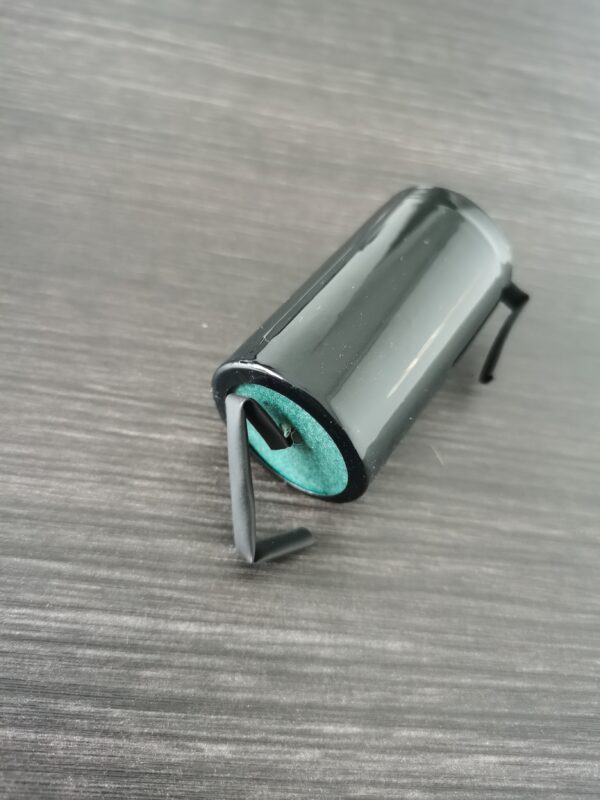
The Ultimate Guide to Lithium Thionyl Chloride (Li-SOCl₂) Battery Activation
Introduction
In the high-stakes world of marine safety, a Life Raft Emergency Position Indicating Radio Beacon (EPIRB) is the difference between life and death. These devices rely on Primary Lithium Batteries, specifically Lithium Thionyl Chloride (Li-SOCl₂) cells, for their unparalleled energy density and shelf life. However, a common technical hurdle arises during the activation of these batteries: voltage delay and passivation.
This guide, written from the perspective of a battery technology specialist, will dissect the root causes of activation issues in Li-SOCl₂ batteries and provide actionable solutions for engineers and procurement managers. We will also explore how CNS Battery’s technical specifications ensure reliable performance in these critical applications.
Understanding the Chemistry: Why “Activation” is Necessary
Unlike rechargeable lithium-ion batteries, Primary Lithium Batteries (non-rechargeable) use a liquid thionyl chloride (SOCl₂) solvent. When a Li-SOCl₂ cell sits in storage, a protective lithium chloride (LiCl) film forms on the lithium anode surface. This phenomenon is known as passivation.
The Technical Dilemma:
While passivation prevents self-discharge and allows for a 10+ year shelf life, it creates a barrier that blocks current flow during initial activation. When the EPIRB is deployed and the switch is flipped, the battery does not instantly deliver full voltage. Instead, it must undergo a “break-in” period to dissolve this film.
Key Parameters for EPIRBs:
- Open Circuit Voltage (OCV): Typically 3.6V.
- Load Voltage (Under Activation): Can drop significantly if the passivation layer is thick.
- Activation Time: The duration required to reach stable operating voltage.
Diagnosing Activation Issues: Common Scenarios
If your EPIRB beacon is failing to transmit or experiencing intermittent connectivity during testing, the culprit is often the battery’s activation profile. Here are the most common scenarios engineers face:
1. Voltage Depression (The “Brownout” Effect)
When a heavily passivated cell is suddenly loaded (e.g., when the transmitter kicks in), the voltage can drop below the minimum operating threshold of the beacon’s electronics (often below 2.0V). This results in a system “brownout,” where the device attempts to start but fails.
2. High Internal Impedance
Older batteries or those stored at low temperatures have higher internal resistance. This resistance generates heat during activation. If the heat generation is insufficient to dissolve the passivation layer quickly, the activation cycle fails.
3. Cold Temperature Performance
Marine environments are unforgiving. Standard Primary Lithium Batteries can struggle to activate below -20°C. If the battery is not chemically optimized for cryogenic conditions, the electrolyte viscosity increases, slowing ion migration and preventing successful activation.
The Solution: Pulse Discharge Methodology
To fix Li-SOCl₂ activation issues, you must “wake up” the battery gently. Forcing a high continuous load immediately will cause a voltage crash. Instead, implement a Pulse Discharge strategy.
Step-by-Step Fix:
- Initial Pulse: Apply a low-current load (approximately 10-20mA) for a short duration (1-2 seconds).
- Rest Period: Disconnect the load for 5-10 seconds. This allows the internal chemical reaction to generate heat and dissolve the passivation layer.
- Repeat: Repeat this cycle 3-5 times.
- Full Load: After several pulses, the internal resistance drops, and the voltage stabilizes. You can now safely apply the full load required by the EPIRB transmitter.
Technical Insight:
This method works because the heat generated during the pulse lowers the internal impedance. Each subsequent pulse encounters less resistance, effectively “activating” the cell without causing a voltage collapse.
CNS Battery: Technical Specifications for Marine Survival
At CNS Battery, we understand that EPIRBs are not just electronic devices; they are lifelines. Our Primary Lithium Batteries are engineered with specific technical barriers to prevent activation failures in harsh environments.
Why CNS Batteries Outperform in EPIRB Applications:
- Optimized Passivation Control: Our cells utilize a proprietary electrolyte formulation that manages the passivation layer thickness. This ensures a balance between long shelf life and rapid activation.
- Ultra-Wide Temperature Range: Our Li-SOCl₂ cells are rated for operation from -55°C to +85°C. This guarantees reliable activation even in Arctic waters or extreme desert survival scenarios.
- Low Self-Discharge Rate: Less than 1% per year, ensuring the battery retains over 90% of its capacity after a decade in storage.
Compliance & Certification (Geo-SEO Focus):
For our global clientele, particularly in the EU and USA, compliance is non-negotiable.
- EU Standards: Fully compliant with EU Marine Equipment Directive (MED) and RoHS 3.
- USA Standards: Meets FCC guidelines and is manufactured under ISO 9001:2015 standards, ensuring traceability and quality for American procurement teams.
Conclusion: Ensuring Reliability
Fixing activation issues in Li-SOCl₂ batteries is not about patching a defect; it is about understanding the electrochemistry and respecting the activation protocol. By utilizing the pulse discharge method and sourcing cells from a manufacturer that prioritizes low-temperature performance and impedance control, engineers can guarantee that their EPIRBs will function flawlessly when deployed.
If you are currently facing challenges with battery activation in your emergency beacon systems or require a Primary Lithium Battery solution that meets stringent international safety standards, our technical team is ready to assist.
Contact CNS Battery today to discuss your specific requirements and ensure your survival equipment is powered by the most reliable energy source. Contact Us Now.
For more information on our Primary Lithium Battery technology and how it can be integrated into your safety systems, visit our Product Page.
