
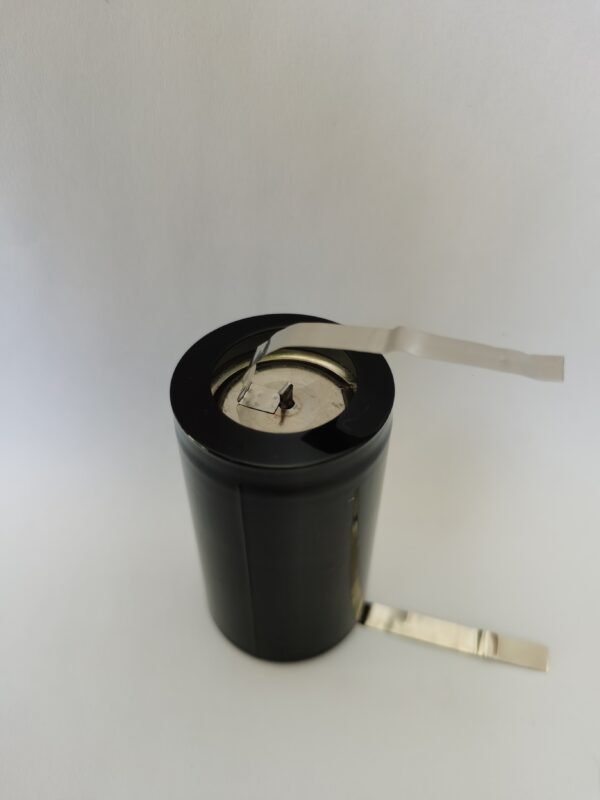
Here is the professional, SEO-optimized article tailored for a B2B audience, focusing on the technical and regulatory aspects of Lithium-SO₂ battery disposal.
The High-Stakes Protocol: Disposing of Li-SO₂ Emergency Beacon Batteries
For industries reliant on emergency beacons—ranging from maritime safety to aerospace logistics—the disposal of Lithium-Thionyl Chloride (Li-SO₂) batteries is not merely a maintenance task; it is a critical compliance and safety procedure. These high-energy-density cells power devices that are often the last line of defense in life-threatening situations. When these batteries reach end-of-life, improper handling can trigger chemical reactions leading to fire hazards or environmental contamination. This guide cuts through the ambiguity, providing technical personnel and procurement managers with a definitive roadmap for safe decommissioning and disposal.
1. The Chemistry Behind the Hazard
To understand the disposal protocol, one must first understand the adversary. Li-SO₂ batteries utilize Lithium metal and Thionyl Chloride (SOCl₂) as the electrolyte. While this chemistry offers an exceptional shelf life (often exceeding 10 years) and high voltage stability, it creates a unique hazard profile during disposal.
- Passivation Layer: A critical feature of these cells is the Lithium Chloride passivation layer that forms on the anode. This layer prevents self-discharge but makes the cells highly sensitive to high current drains.
- Thermal Runaway Risk: If the passivation layer is compromised—either through physical damage or forced rapid discharge—the reaction between Lithium and Thionyl Chloride can become exothermic, generating extreme heat and toxic gases.
Technical Insight: Unlike standard alkaline or Lithium-ion batteries, Li-SO₂ cells should never be subjected to standard “crushing” or “shredding” recycling methods used for consumer electronics. The presence of Chloride ions requires specialized chemical neutralization processes.
2. The Disconnection Phase: Mitigating Voltage Spikes
The first physical step in disposal occurs when the battery is removed from the Emergency Position Indicating Radio Beacon (EPIRB) or beacon housing. This is the most dangerous phase due to the “voltage delay” characteristic of Li-SO₂ chemistry.
- The Voltage Spike: When a load is suddenly applied or removed from a Li-SO₂ cell, the voltage can spike significantly above its nominal rating (typically 3.6V) before stabilizing. This spike can cause arcing if the terminals are not managed correctly.
- The Procedure:
- Isolate the Circuit: Ensure the beacon is powered down and disconnected from any external circuitry.
- Insulate Terminals Immediately: The moment the battery is disconnected, the terminals must be covered with non-conductive tape (e.g., Kapton tape or heavy-duty electrical tape). This prevents accidental short-circuiting against tools or other batteries in a waste bin.
Safety Note: Never store loose Li-SO₂ cells in a metal container. Always place them in individual non-conductive pouches or boxes to prevent terminal contact.
3. Regulatory Compliance: Navigating IATA and ADR
For B2B clients managing fleets of emergency equipment, logistics play a pivotal role. Shipping spent Li-SO₂ batteries for recycling is strictly regulated under the UN Manual of Tests and Criteria, Part III, Paragraph 38.3.
- Classification: Lithium metal batteries are generally classified as UN 3090.
- State of Charge (SoC): While full discharge is ideal, Li-SO₂ cells are difficult to fully discharge due to their high internal impedance. Regulations often allow for the shipment of “non-spent” batteries if they are packaged to prevent short circuits and protected from physical damage.
- Packaging Standards: Batteries must be packed in rigid, UN-rated outer packaging with sufficient cushioning. Each cell must be individually protected (e.g., placed in plastic bags) to prevent contact between terminals.
Case Study: A major offshore drilling contractor once faced a $50,000 fine for improperly palletizing spent beacon batteries for air freight. The error? They failed to declare the Lithium content properly and did not use secondary containment for the terminals, violating IATA Dangerous Goods Regulations.
4. Storage Best Practices: The 30-Day Rule
Before recycling, batteries often accumulate in on-site storage. Environmental factors are crucial.
- Temperature Control: Li-SO₂ batteries are stable across a wide range, but storage should ideally be between -20°C to +50°C. Avoid direct sunlight, as solar heat gain can raise internal temperatures beyond safe limits, increasing internal pressure.
- The “Watch and Wait” Period: Many safety officers recommend a “quarantine” period of at least 30 days in a fire-resistant cabinet before bulk shipment. This allows any latent cells exhibiting delayed thermal issues to reveal themselves in a controlled environment rather than during transit.
5. The Recycling Process: From Hazard to Resource
Once the batteries reach a certified recycler, they undergo a specific metallurgical process.
- Chemical Neutralization: The Thionyl Chloride is neutralized using caustic solutions to render it inert.
- Pyrometallurgical Processing: The cells are fed into high-temperature furnaces. The steel casing is recovered as scrap metal.
- Cobalt and Lithium Recovery: While the primary value is in the Cobalt and Nickel content (often used in the cathode structure), the Lithium is recovered as Lithium Carbonate for use in ceramics or new battery production.
Procurement Tip: When sourcing new batteries for your emergency systems, verify that your supplier offers a “Cradle-to-Grave” compliance program. This ensures that the technical data sheets (TDS) and Safety Data Sheets (SDS) provided are accurate for your specific jurisdiction (EU, US, or APAC).
6. Partnering with the Right Manufacturer
Disposal safety begins at the design stage. A robust battery design incorporates safety features that mitigate risks during the end-of-life phase.
At CNS BATTERY, our engineering philosophy revolves around “Safety by Design.” We understand that our clients operate in high-stakes environments where failure is not an option. Our Prismatic and Cylindrical Primary Battery Cells are engineered with reinforced casings and advanced sealing technologies to prevent leakage during the often-rugged lifecycle of an emergency beacon.
Our commitment extends beyond the product. We provide comprehensive documentation and support to ensure your procurement and EHS teams have the technical specifications needed for compliant disposal.
Are you managing a fleet of emergency equipment? Ensure your supply chain partners are equipped to handle the full lifecycle of your power solutions. For technical inquiries regarding battery specifications or compliance documentation, contact our R&D team. We provide the expertise to keep your operations safe and compliant.
- Explore our Primary Battery Range: https://cnsbattery.com/primary-battery/
- Contact Our Technical Experts: https://cnsbattery.com/primary-battery-contact-us/
