
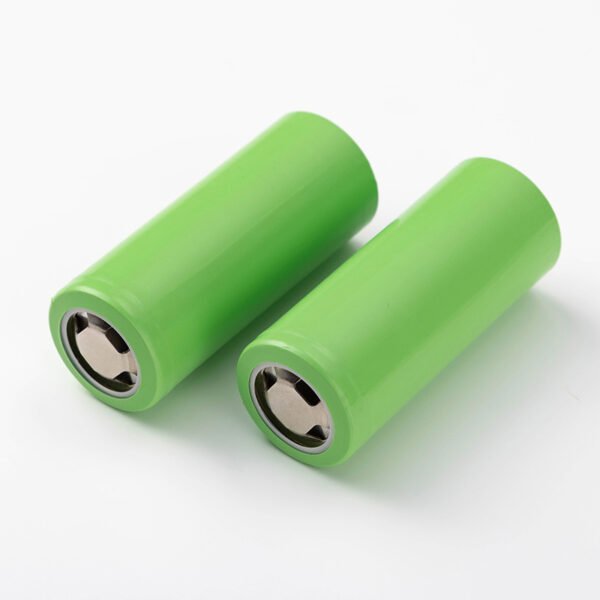
How to Choose Primary Lithium Battery for 10+ Year Standby Use
Selecting the right primary lithium battery for applications requiring 10+ years of standby operation is a critical engineering decision that directly impacts product reliability, maintenance costs, and total cost of ownership. For IoT devices, smart meters, medical implants, and remote monitoring systems, battery failure is not an option. This guide provides technical professionals with essential criteria for evaluating primary lithium batteries designed for extended standby applications.
Understanding Primary Lithium Battery Chemistry
Primary lithium batteries, particularly lithium thionyl chloride (Li-SOCl₂) chemistry, represent the gold standard for long-life standby applications. Unlike rechargeable lithium-ion batteries, primary lithium batteries utilize metallic lithium as the anode, delivering higher energy density and significantly lower self-discharge rates. The electrochemical reaction in Li-SOCl₂ batteries produces a nominal voltage of 3.6V, with some variants reaching 3.9V open-circuit voltage.
The key advantage lies in the self-discharge rate—quality Li-SOCl₂ batteries exhibit less than 1% annual self-discharge at ambient temperatures. This translates to over 90% capacity retention after a decade of storage, making them ideal for applications where battery replacement is impractical or cost-prohibitive.
Critical Selection Criteria for 10+ Year Standby
1. Self-Discharge Rate and Shelf Life
The foundation of long-term reliability begins with self-discharge characteristics. When evaluating batteries for 10+ year deployments, request documented self-discharge data at multiple temperature points (20°C, 40°C, 60°C). Premium manufacturers provide accelerated aging test results that project performance over the intended service life. Look for batteries with proven shelf life exceeding 15 years to build in safety margins.
2. Operating Temperature Range
Real-world deployments rarely occur in climate-controlled environments. Primary lithium batteries for extended standby must operate reliably across -55°C to +85°C, with some industrial grades supporting -60°C to +150°C. Temperature directly affects both capacity delivery and self-discharge rate. At elevated temperatures, self-discharge accelerates exponentially—every 10°C increase approximately doubles the self-discharge rate according to Arrhenius equation principles.
3. Voltage Lag and Passivation Management
Li-SOCl₂ batteries develop a passivation layer on the lithium anode during storage, which protects against self-discharge but causes temporary voltage depression upon initial load application. For applications with intermittent high-current pulses, select batteries with controlled passivation characteristics or consider hybrid designs incorporating a small tantalum capacitor to handle peak loads. Understanding your device’s current profile—continuous low drain versus periodic high pulses—is essential for proper battery selection.
4. Capacity and Load Profile Matching
Calculate total energy requirements over the expected service life, including all operational modes (sleep, active, transmission). Factor in temperature derating—capacity available at -40°C may be only 50% of room-temperature specifications. For pulse applications, verify that the battery can deliver required peak currents without excessive voltage drop. Manufacturers should provide pulse discharge curves at various temperatures and duty cycles.
5. Safety and Regulatory Compliance
Ensure batteries meet applicable safety standards including UL, IEC 60086-4, and UN 38.3 transportation requirements. For medical or aerospace applications, additional certifications may be necessary. Evaluate the manufacturer’s quality management system—ISO 9001 certification and traceability documentation are minimum expectations for critical applications.
6. Manufacturer Reliability and Support
Partner with established manufacturers who provide comprehensive technical support, detailed specification sheets, and application engineering assistance. Request reference designs and case studies from similar deployments. Long-term availability guarantees are crucial—confirm the manufacturer’s commitment to maintaining product lines for the duration of your product lifecycle.
Application-Specific Considerations
Smart Metering and Utility Applications: Prioritize batteries with proven performance in AMI/AMR deployments. Temperature cycling and humidity resistance are critical factors.
Medical Devices: Biocompatibility, hermetic sealing, and zero failure rate expectations require medical-grade batteries with extensive validation documentation.
Industrial IoT: Consider vibration resistance, chemical exposure tolerance, and compatibility with conformal coating processes.
Security Systems: Low-temperature performance and reliability during extended standby with occasional alarm activation are paramount.
Total Cost of Ownership Analysis
While premium primary lithium batteries command higher initial costs, the total cost of ownership over 10+ years often favors quality over price. Factor in field replacement costs, warranty claims, brand reputation damage from failures, and regulatory compliance requirements. A battery costing 20% more but delivering 50% longer service life represents superior value.
Making the Final Decision
Request samples for validation testing under your specific operating conditions. Conduct accelerated life testing at elevated temperatures to verify manufacturer claims. Establish clear acceptance criteria based on your application’s minimum voltage requirements and capacity needs.
For comprehensive technical support and product specifications tailored to your 10+ year standby application, explore our primary lithium battery solutions at https://cnsbattery.com/primary-battery/. Our engineering team can assist with application-specific recommendations and validation testing protocols.
When your project demands reliable power for a decade or more, the battery selection process requires methodical evaluation, not speculation. By applying these criteria systematically, engineering teams can confidently specify primary lithium batteries that deliver dependable performance throughout the intended product lifecycle.
Have specific application requirements or technical questions? Contact our battery specialists at https://cnsbattery.com/primary-battery-contact-us/ for personalized consultation and quotation support.
