
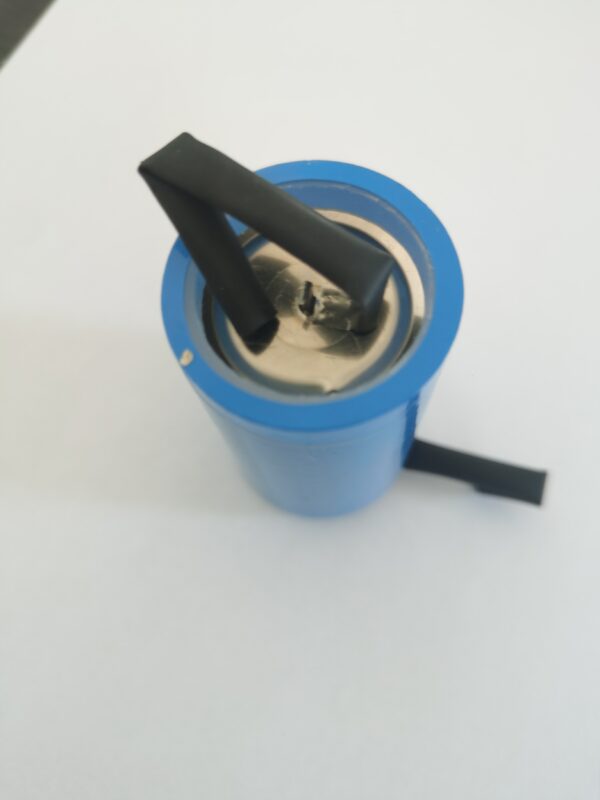
How to Choose Li-SOCl₂ Battery for Heat Meters
In the infrastructure of modern district heating systems, heat meters act as the critical nodes for energy monitoring and billing accuracy. Unlike consumer electronics, these devices are often installed in inaccessible locations—such as underground pits, boiler rooms, or integrated within piping systems—where battery replacement is costly and logistically challenging. Consequently, the power source must guarantee operational reliability for 10 to 15 years without maintenance. For engineers and technical purchasers in the utility metering sector, the Lithium Thionyl Chloride (Li-SOCl₂) battery remains the undisputed industry standard. However, not all Li-SOCl₂ cells are engineered equally. Selecting the appropriate specification requires a deep understanding of electrochemical principles and application-specific demands.
Understanding Li-SOCl₂ Technology Fundamentals
To make an informed procurement decision, one must first grasp the underlying chemistry. A Li-SOCl₂ battery utilizes lithium metal as the anode and thionyl chloride as both the cathode active material and the electrolyte solvent. This unique configuration yields a high open-circuit voltage (OCV) of approximately 3.6V and the highest energy density among practical primary batteries, reaching up to 590 Wh/kg.
The reaction produces lithium chloride (LiCl), which forms a passivation layer on the lithium anode. While this layer is crucial for preventing corrosion and ensuring an extremely low self-discharge rate (less than 1% per year), it also introduces the phenomenon of “voltage delay” upon initial connection or after long storage. For heat meter applications, understanding this balance between shelf life and immediate voltage availability is vital for system design.
Core Selection Criteria for Heat Meter Applications
When evaluating battery suppliers, technical teams should focus on five key performance indicators tailored to the operational profile of heat meters.
1. Load Profile and Pulse Capability
Heat meters typically operate in a low-power sleep mode, waking up periodically to measure flow and transmit data via Wireless M-Bus or LoRaWAN. While the average current is micro-amps, the transmission phase requires high-current pulses (often ranging from 50mA to over 1A for short durations).
- Bobbin-Type Cells: These offer maximum capacity and are ideal for low-current continuous discharge. However, for pulse-heavy applications, they may require a hybrid layer or an external capacitor to handle the peak load without voltage drop.
- Spiral-Type Cells: These provide higher power density and can handle moderate pulses naturally but may have slightly lower total capacity compared to bobbin types.
Engineers must match the cell structure to the communication module’s peak current requirements to prevent premature battery failure due to voltage depression.
2. Operating Temperature Range
Heat meters are exposed to diverse thermal environments. Outdoor installations may face sub-zero winters, while indoor boiler rooms can experience sustained high temperatures. A robust Li-SOCl₂ battery for this sector must operate reliably across a wide temperature range, typically from -40°C to +70°C or even +85°C.
At low temperatures, the internal impedance of the battery increases, which can hinder pulse delivery. At high temperatures, the self-discharge rate accelerates, and internal pressure builds up. Quality manufacturers utilize specialized electrolyte formulations to stabilize performance across these extremes, ensuring the meter functions accurately regardless of seasonal fluctuations.
3. Long-Term Self-Discharge and Service Life
The economic viability of a heat meter project hinges on the battery lasting the entire certification cycle, often mandated at 10 years or more. A high-quality Li-SOCl₂ cell should retain over 90% of its capacity after 10 years of storage at room temperature.
Technical purchasers should request aging data and acceleration life test reports from suppliers. Be wary of generic specifications; real-world performance under load differs significantly from theoretical capacity. For detailed specifications on long-life primary cells, you can explore comprehensive product ranges at https://cnsbattery.com/primary-battery/.
4. Safety and Passivation Management
Safety is paramount, especially when batteries are embedded in building infrastructure. Li-SOCl₂ batteries are generally safe due to the stable passivation layer, but they must comply with international transport and safety standards such as UN38.3 and IEC 60086.
Furthermore, the passivation layer mentioned earlier can cause a temporary voltage drop when the meter is first activated. Reputable suppliers employ pre-conditioning techniques or specific anode treatments to minimize this voltage delay, ensuring the meter’s electronics initialize correctly without reset issues.
5. Customization and Integration Support
Standard off-the-shelf batteries do not always fit the mechanical constraints of modern meter designs. Some projects require specific tab configurations, soldering options, or custom packaging to withstand vibration and humidity.
Working with a supplier that offers engineering support is crucial. They should be able to provide cells that integrate seamlessly with your PCB design and housing. If your project requires tailored solutions or technical consultation regarding battery integration, it is advisable to reach out directly via https://cnsbattery.com/primary-battery-contact-us/.
Conclusion
Choosing the right Li-SOCl₂ battery for heat meters is not merely a procurement task; it is a strategic engineering decision that impacts the total cost of ownership and brand reputation. By prioritizing pulse capability, temperature resilience, and verified long-term performance, engineers can ensure their metering solutions remain reliable throughout their lifecycle. As the utility sector moves towards smarter, more connected grids, the demand for high-integrity primary power sources continues to grow. Partnering with a specialized manufacturer who understands the nuances of lithium primary technology is the most effective way to mitigate risk and guarantee performance in the field.
