
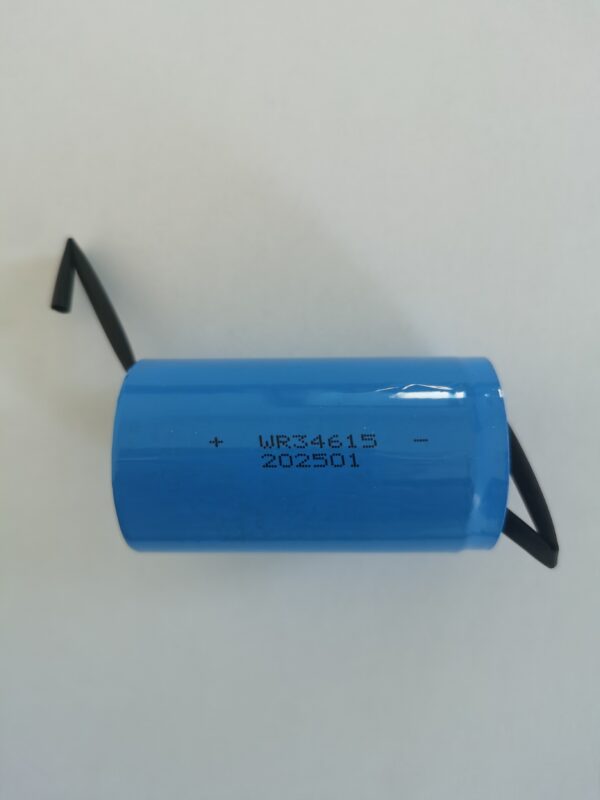
Optimizing Utility Operations: How Li-SOCl₂ Batteries Reduce Field Service Costs
For utility companies managing vast networks of smart meters, remote telemetry units (RTUs), and IoT sensors, field service operations represent a significant portion of operational expenditure (OPEX). Dispatching technicians for battery replacements or troubleshooting power-related failures is not only costly but also disrupts service continuity. As the industry moves toward more decentralized and automated infrastructure in 2026, the choice of primary power sources has become a strategic financial decision. Lithium Thionyl Chloride (Li-SOCl₂) batteries have emerged as the definitive solution for minimizing these field service costs through superior longevity and reliability.
The Technical Advantage of Li-SOCl₂ Chemistry
To understand the cost benefits, one must first understand the technical foundation. Li-SOCl₂ batteries offer the highest energy density among commercial primary lithium batteries, typically reaching up to 590 Wh/kg. This chemistry utilizes lithium as the anode and thionyl chloride as both the cathode and electrolyte.
For utility applications, three technical characteristics directly translate to cost savings:
- Extremely Low Self-Discharge: With an annual self-discharge rate of less than 1%, these batteries can maintain capacity for over 10 years in storage and operation. This eliminates premature failures due to shelf-life degradation.
- Wide Operating Temperature Range: Utility assets are often deployed in harsh environments, from underground vaults to exposed poles. Li-SOCl₂ cells operate reliably between -55°C and +85°C, ensuring consistent performance where alkaline or other lithium chemistries might fail.
- Stable Voltage Profile: The flat discharge curve ensures that connected devices receive consistent voltage throughout the battery’s life, reducing data transmission errors that often trigger unnecessary service tickets.
Direct Mechanisms for Cost Reduction
The reduction in field service costs is not theoretical; it is calculated through specific operational metrics.
1. Extended Replacement Cycles
The most direct saving comes from labor and logistics. Replacing a battery in a remote gas meter or water sensor often requires a specialized technician, a vehicle, and significant travel time. If a standard battery lasts 5 years but a high-quality Li-SOCl₂ battery lasts 15 years, the utility company reduces the frequency of site visits by two-thirds over the asset’s lifecycle. This drastically cuts labor hours, fuel costs, and vehicle maintenance.
2. Reduced Failure-Related Dispatches
Inconsistent power supply leads to device resets, data loss, and communication gaps. When a central management system flags a meter as “offline,” a dispatch order is often generated automatically. Li-SOCl₂ batteries provide stable power even under pulse loads (common in AMR/AMI systems), preventing voltage drops that mimic device failure. By ensuring power reliability, utilities reduce “no fault found” service calls.
3. Inventory Simplification
Managing a diverse inventory of battery types for different devices complicates logistics. Standardizing on Li-SOCl₂ chemistry across various IoT deployments simplifies procurement and warehousing. This consolidation reduces administrative overhead and the risk of stocking obsolete or incompatible power sources.
Compliance and Procurement Considerations
For procurement officers and engineering leads, selecting the right battery partner is as critical as selecting the chemistry. In the regulated utility sector, compliance is non-negotiable.
Regulatory Standards: Ensure that the batteries comply with international transport and safety standards. Key certifications include UN38.3 for transportation safety, IEC 60086 for primary batteries, and UL recognition where applicable. Non-compliant batteries can lead to shipment delays or liability issues during audits.
Pulse Capability: Modern utility meters often require high-current pulses for data transmission (e.g., LTE-M or NB-IoT modules). Not all Li-SOCl₂ batteries are created equal; some are designed for low drain, while others are optimized for high pulse currents. Procurement specifications must match the device’s peak current demand to avoid voltage lag.
Manufacturer Reliability: Partnering with a manufacturer that offers traceability and consistent quality control is vital. Variations in battery capacity within a batch can lead to uneven fleet performance, complicating maintenance scheduling.
Case Study: Smart Water Meter Deployment
Consider a mid-sized utility provider in North America deploying 50,000 smart water meters in 2024. Initially, they considered standard lithium manganese dioxide batteries due to lower upfront unit costs. However, a total cost of ownership (TCO) analysis revealed that the Li-SOCl₂ option, despite a 20% higher initial price, offered a 15-year service life compared to 7 years for the alternative.
By choosing the long-life Li-SOCl₂ solution, the utility projected a reduction of over 4,000 field visits over the 15-year period. Assuming an average cost of $150 per field visit (labor + travel), the savings amounted to $600,000, far outweighing the initial battery cost difference. Furthermore, the reduced failure rate improved customer satisfaction scores by eliminating billing estimation errors caused by power-related data gaps.
Strategic Implementation
To maximize these benefits, utility companies should integrate battery specifications into the initial device design phase rather than treating them as aftermarket components. Collaborating with suppliers who understand the specific load profiles of utility IoT devices ensures optimal performance.
For organizations evaluating their current power strategy or seeking reliable partners for large-scale deployments, accessing detailed technical specifications and customization options is the next logical step. You can explore a comprehensive range of industrial-grade primary batteries tailored for utility applications at https://cnsbattery.com/primary-battery/.
Engaging with manufacturers early allows for custom solutions that match exact voltage and capacity requirements, further optimizing the cost-efficiency ratio. For direct inquiries regarding compliance documentation, bulk procurement, or technical consultation, utility partners can reach out via https://cnsbattery.com/primary-battery-contact-us/.
Conclusion
In the high-stakes environment of utility management, reliability is currency. Li-SOCl₂ batteries offer a proven pathway to reduce field service costs by extending maintenance intervals, ensuring device reliability, and simplifying logistics. While the upfront unit cost may be higher than consumer-grade alternatives, the long-term operational savings and risk mitigation make them the superior choice for critical infrastructure. As utilities continue to digitize their grids and networks in 2026 and beyond, investing in robust primary power technology is not just an engineering decision—it is a financial imperative.
