
Here is the SEO-optimized article tailored for a B2B engineering and procurement audience, focusing on high-shock lithium battery solutions.
High Shock Resistant Li-SOCl₂ Battery | 100G Shock Rating
In the demanding world of industrial electronics and remote sensing, standard power sources often fail where vibration and impact are routine. For engineers designing Automatic Meter Reading (AMR) systems, Smart Meters, or military hardware, the primary concern isn’t just energy density—it’s survivability. When a device is subjected to repeated mechanical stress, the battery must maintain internal structural integrity to prevent catastrophic failure.
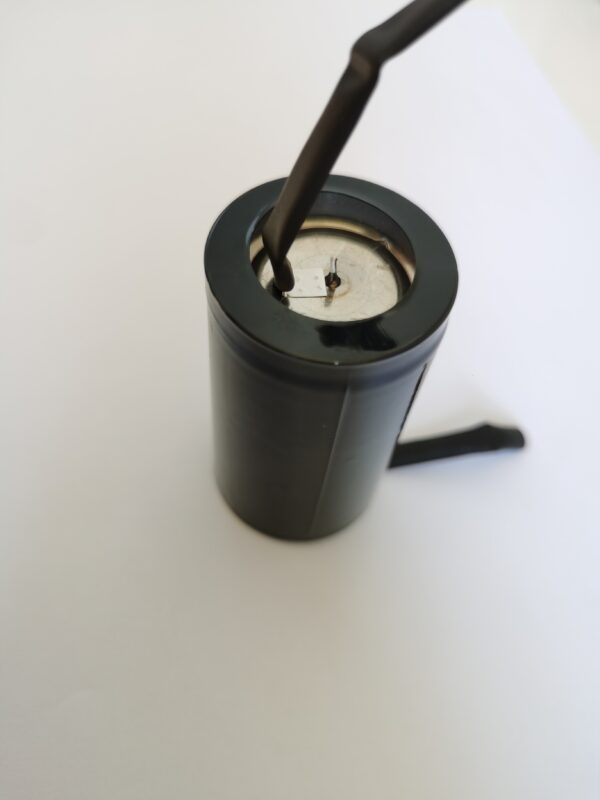
This is where High Shock Resistant Lithium Thionyl Chloride (Li-SOCl₂) batteries become the definitive power solution. Specifically engineered to withstand shock loads of up to 100G, these cells offer a unique blend of extreme longevity and rugged durability.
The Physics of Shock: Why Standard Cells Fail
To understand the engineering behind a 100G-rated battery, we must first look at the enemy: vibration and shock.
When a standard lithium cell is subjected to high-frequency vibration or sudden impact, the internal components—specifically the anode, cathode, and separator—experience mechanical stress. In standard consumer-grade cells, this can lead to:
- Separator Damage: The porous membrane preventing short circuits can tear or shift.
- Lithium Dendrite Formation: Physical stress accelerates the growth of metallic spikes, leading to internal shorts.
- Electrolyte Leakage: Seals can degrade, causing the volatile electrolyte to escape.
In a standard bobbin-type Li-SOCl₂ cell, the internal construction is already more robust than aqueous chemistries due to the absence of water. However, to achieve a 100G rating, the cell requires specialized mechanical engineering.
Engineering the 100G Solution
Achieving a 100G shock rating is not merely a matter of rugged casing; it is a fundamental redesign of the cell’s internal architecture.
1. Rigid Internal Structure
Unlike standard cells that allow for some internal movement, high-shock variants utilize a “jelly roll” compression technology. The electrode stack is wound with extreme tension and then potted or compressed within the canister. This eliminates “slosh,” preventing the electrodes from moving relative to each other during impact.
2. Advanced Welding Techniques
Standard spot welding can create stress points. High-shock batteries utilize laser welding for both the electrode tabs and the cell lid. This creates a hermetic seal that is metallurgically stronger than the base metal itself, ensuring the cell remains sealed even under extreme G-forces.
3. Pulse Current Capability
A critical specification for engineers is the ability to handle load pulses. Standard Li-SOCl₂ cells suffer from high internal impedance, which can cause voltage drop under load. High-shock variants are often paired with hybrid layer capacitors (HLC) or utilize specialized carbon electrodes to manage the pulse currents required for wireless transmission (e.g., 2G/3G/4G/NB-IoT modules) without voltage delay.
Applications Requiring 100G Resilience
If your design operates in any of the following environments, a standard battery is a liability:
- Oil & Gas Downhole Tools: Drilling operations generate extreme vibration (often exceeding 20G RMS). A 100G-rated cell ensures the telemetry system survives the drilling cycle.
- Smart Water/Gas Meters: Installed on high-pressure pipes, these meters are subject to hydraulic hammer and constant vibration.
- Automotive Telematics: Under-hood or wheel-mounted sensors require immunity to road shock and engine vibration.
- Railway Signaling: Trackside equipment must endure the shockwaves generated by passing trains.
Material Science: Why Li-SOCl₂?
Beyond the shock rating, the choice of Lithium Thionyl Chloride chemistry is non-negotiable for long-term deployments.
- Energy Density: Li-SOCl₂ offers the highest energy density of any primary (non-rechargeable) chemistry, typically 710 Wh/kg.
- Temperature Range: These cells operate reliably from -55°C to +85°C, making them ideal for outdoor industrial use.
- Self-Discharge: The annual self-discharge rate is less than 1%, allowing for 10-20 year service life without maintenance.
Designing Your Next Project
When specifying a High Shock Resistant Li-SOCl₂ Battery for your next B2B project, consider the following technical parameters:
| Parameter | Standard Li-SOCl₂ | High Shock Resistant (100G) |
|---|---|---|
| Shock Rating | < 20G | 100G |
| Vibration Resistance | Moderate | High (up to 10g RMS) |
| Pulse Load | Requires HLC | Integrated Pulse Handling |
| Typical Use Case | Static IoT Sensors | Dynamic/High-Vibe Environments |
Pro Tip: Always verify the “pulse current” specification. A 100G shock rating does not automatically mean the cell can handle the high current pulses needed for data transmission. Ensure the cell is rated for the specific pulse profile of your modem.
Sourcing Reliable Industrial Power
For OEMs and system integrators, sourcing the right battery is critical to the reliability of the final product. Cutting corners on the power source can lead to field failures, warranty claims, and brand damage.
CNS Battery specializes in industrial-grade primary lithium cells designed for the harshest environments. Whether you are designing a new generation of Smart Meters or upgrading downhole drilling telemetry, having a partner that understands the physics of shock and the chemistry of lithium is essential.
If you are currently facing challenges with battery failures in high-vibration environments, it is time to upgrade to a solution built for 100G resilience.
Explore our range of Primary Lithium Batteries engineered for industrial durability:
Explore High Shock Resistant Battery Solutions
Contact our engineering team for custom design support and technical specifications:
Contact Us for Technical Support
