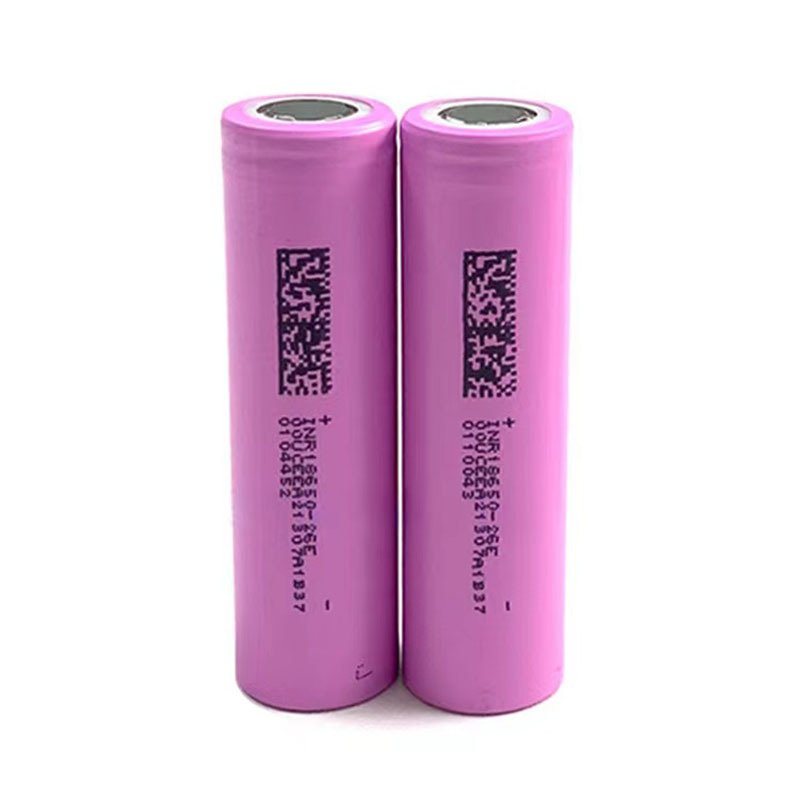
High Reliability 46800 Lithium Ion Cylindrical Battery Cells for Electric Motorcycle – Ideal for Manufacturers
The electric motorcycle industry is experiencing unprecedented growth, and battery technology remains the cornerstone of this revolution. Among various battery formats, the 46800 lithium ion cylindrical cell has emerged as the preferred choice for manufacturers seeking high reliability, optimal energy density, and scalable production capabilities. This article examines why 46800 cells represent the ideal solution for electric motorcycle manufacturers and what technical specifications demand attention during supplier selection.
Why 46800 Cylindrical Cells Dominate the Electric Motorcycle Segment
The 46800 designation refers to the physical dimensions: 46mm diameter and 80mm length. This form factor delivers significant advantages over traditional 18650 or 21700 cells for electric motorcycle applications:
Superior Energy Density: The larger form factor enables higher capacity per cell, typically ranging from 12Ah to 20Ah depending on chemistry. This reduces the total cell count required for a given pack capacity, simplifying battery management system (BMS) complexity and improving overall pack reliability.
Enhanced Thermal Performance: The cylindrical design provides optimal surface-area-to-volume ratio for heat dissipation. During high-discharge scenarios common in motorcycle acceleration, effective thermal management prevents degradation and extends cycle life significantly.
Structural Integrity: Cylindrical cells offer superior mechanical strength compared to pouch or prismatic alternatives. This characteristic proves critical for motorcycle applications where vibration resistance and impact tolerance are non-negotiable requirements.
Critical Technical Specifications for Manufacturer Evaluation
When sourcing 46800 cells for electric motorcycle production, manufacturers must verify several key parameters:
Continuous Discharge Rate: Electric motorcycles demand high power output during acceleration. Quality 46800 cells should support 3C to 5C continuous discharge without excessive voltage sag or thermal buildup.
Cycle Life Expectancy: Premium cells deliver 2000+ full cycles at 80% depth of discharge while maintaining 80% capacity retention. This translates to 5-7 years of typical motorcycle usage before replacement becomes necessary.
Safety Certifications: Verify UN38.3, IEC62133, and UL2054 compliance. These certifications ensure cells meet international transportation and safety standards required for global market access.
Consistency Metrics: Cell-to-cell capacity variation should remain below 3%, and internal resistance variation under 5%. Tight consistency reduces balancing requirements and extends pack longevity.
Partnering with Reliable Battery Manufacturers
Selecting the right manufacturing partner determines long-term product success. Established manufacturers provide comprehensive support including technical documentation, customization capabilities, and consistent quality control throughout production runs. For manufacturers evaluating potential suppliers, understanding the landscape of battery manufacturers in China provides valuable market context and comparison benchmarks.
Quality manufacturers maintain ISO9001 and IATF16949 certifications, demonstrating commitment to automotive-grade quality management systems. Production facilities should feature automated assembly lines with real-time quality monitoring, ensuring every cell meets specified tolerances before shipment.
Integration Considerations for Motorcycle OEMs
Successful battery integration requires collaboration between cell suppliers and motorcycle manufacturers from the design phase. Key considerations include:
Pack Architecture: Cylindrical cells typically utilize module designs with welded interconnects. The pack housing must accommodate thermal expansion while maintaining IP67 or higher ingress protection for outdoor operation.
BMS Compatibility: Ensure BMS suppliers understand the specific characteristics of 46800 chemistry. Accurate state-of-charge estimation and cell balancing algorithms maximize available capacity and prevent premature degradation.
Supply Chain Reliability: Evaluate manufacturer capacity to scale production alongside your motorcycle production ramp. Long-term supply agreements with penalty clauses for delivery failures protect against production disruptions.
Manufacturers seeking detailed technical specifications for 46800 cylindrical cells can explore comprehensive product information at our cylindrical battery cell catalog, which includes datasheets, testing reports, and application notes specific to electric motorcycle implementations.
Cost-Performance Optimization
While premium 46800 cells command higher unit costs than commodity alternatives, total cost of ownership favors quality selections. Reduced warranty claims, lower replacement rates, and enhanced brand reputation deliver measurable ROI over the product lifecycle. Manufacturers should evaluate cost per cycle rather than cost per watt-hour for accurate economic assessment.
Volume pricing typically becomes available at 10,000+ cell orders, with additional discounts for annual commitment contracts. Request detailed quotations including logistics, customs documentation, and after-sales support to compare total landed costs accurately.
Conclusion
The 46800 lithium ion cylindrical battery cell represents the optimal balance of performance, reliability, and manufacturability for electric motorcycle applications. Manufacturers who prioritize technical specifications, supplier qualifications, and long-term partnership potential position themselves for sustained competitive advantage in this rapidly expanding market.
For manufacturers ready to advance their electric motorcycle battery programs, direct communication with qualified suppliers accelerates development timelines. Contact our technical team through our contact page to discuss specific requirements, request samples, or schedule facility audits. Our engineering support team provides application-specific recommendations ensuring your battery system meets performance targets while maintaining cost competitiveness.
The transition to electric mobility demands battery solutions that deliver consistent performance across diverse operating conditions. By selecting high-reliability 46800 cells from qualified manufacturers, electric motorcycle producers can confidently meet customer expectations while building sustainable competitive advantages in an increasingly crowded marketplace.