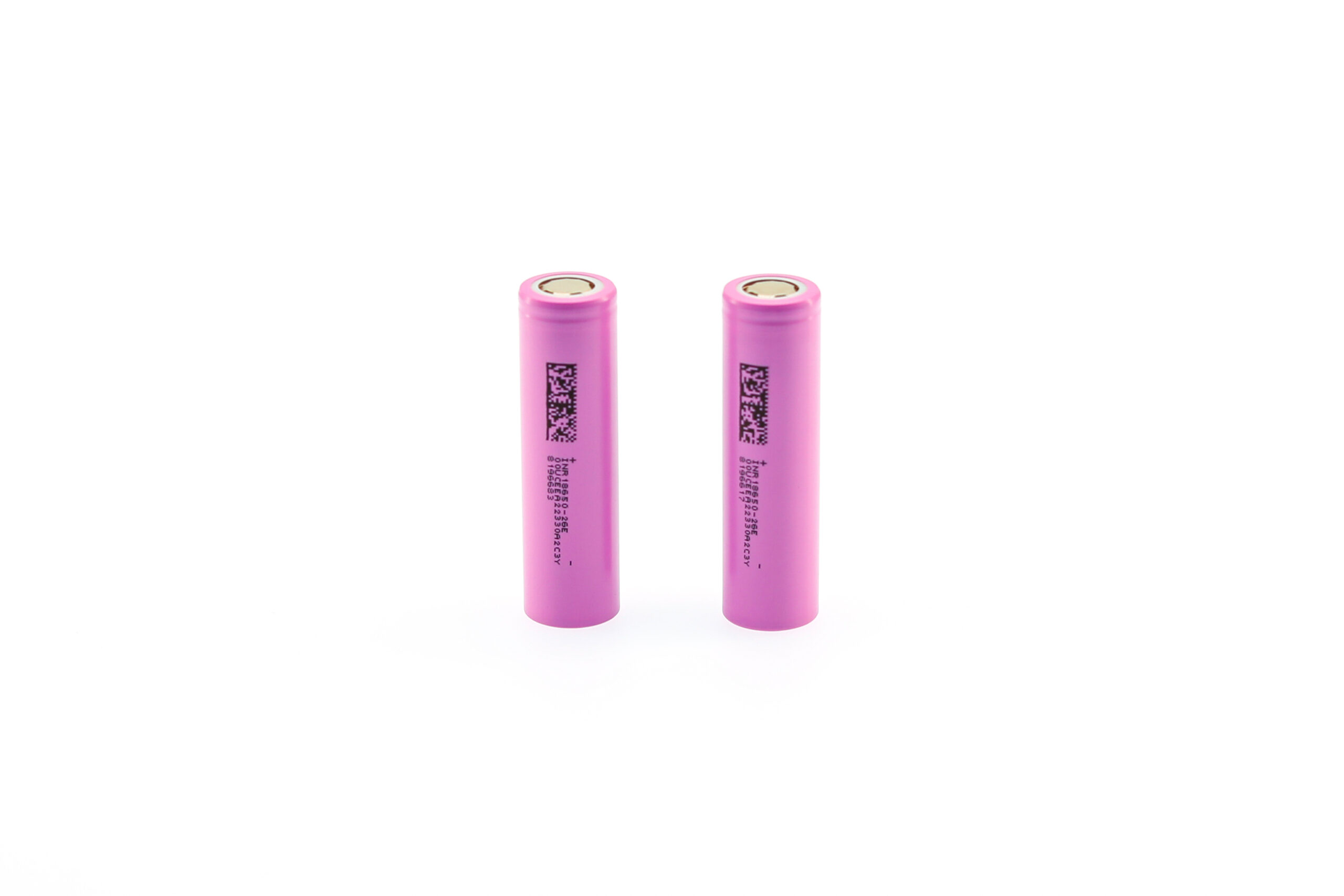
High Reliability 40150 NCM Cells for E-bike – Guaranteed
The electric bicycle industry continues its unprecedented growth trajectory in 2026, with European and North American markets demanding higher performance, longer cycle life, and uncompromised safety from battery systems. At the heart of every premium E-bike lies the battery cell selection, and the 40150 NCM (Nickel Cobalt Manganese) cylindrical cell has emerged as the optimal solution for manufacturers seeking reliability without compromise. This article provides technical procurement professionals and engineering teams with comprehensive insights into why 40150 NCM cells represent the gold standard for E-bike applications.
Understanding 40150 NCM Cell Architecture
The 40150 designation refers to the cylindrical cell’s physical dimensions: 40mm diameter and 150mm height. This form factor offers significant advantages over traditional 18650 or 21700 cells for E-bike applications. The larger volume enables higher capacity per cell, reducing the total cell count required for a given battery pack voltage and capacity specification. Fewer cells mean fewer weld points, decreased complexity in battery management system (BMS) design, and improved overall pack reliability.
NCM chemistry combines nickel, cobalt, and manganese in the cathode structure, delivering an optimal balance of energy density, power output, and thermal stability. For E-bike applications, NCM formulations typically range from NCM 523 to NCM 811, with higher nickel content providing increased energy density while manganese ensures structural stability during charge-discharge cycles.
Key Performance Metrics for E-bike Applications
Energy Density: Modern 40150 NCM cells achieve 250-280 Wh/kg gravimetric energy density, enabling E-bike manufacturers to design lighter battery packs without sacrificing range. This directly translates to improved rider experience and extended pedal-assist distances between charges.
Cycle Life: Premium-grade 40150 cells guarantee 1,500-2,000 full charge-discharge cycles while maintaining 80% of original capacity. For typical E-bike usage patterns (3-5 charges per week), this equates to 5-7 years of reliable service life, exceeding most manufacturer warranty periods.
Thermal Management: The cylindrical form factor provides superior heat dissipation compared to pouch or prismatic cells. During high-current discharge scenarios (hill climbing, cargo transport), the 40150 geometry facilitates efficient thermal distribution, reducing hot-spot formation and extending cell longevity.
Safety Compliance: With new battery safety regulations taking effect in 2026, including GB38031-2025 standards requiring zero thermal propagation within 2 hours, 40150 NCM cells from certified manufacturers incorporate multiple safety layers including pressure relief vents, ceramic-coated separators, and thermally stable electrolyte formulations.
Technical Considerations for Battery Pack Integration
When integrating 40150 NCM cells into E-bike battery systems, engineering teams must account for several critical parameters:
Cell Matching: Voltage and capacity matching within ±5mV and ±2% respectively ensures balanced pack performance and prevents premature degradation of individual cells. Reputable suppliers provide pre-matched cell groups with detailed binning documentation.
BMS Compatibility: The BMS must support the specific charging profile of NCM chemistry (CC-CV charging with 4.2V maximum cell voltage) and incorporate cell-level monitoring for voltage, temperature, and current. Communication protocols (CAN bus, UART, RS485) should align with the E-bike’s motor controller system.
Mechanical Design: The cylindrical form factor requires precision-engineered holders that maintain cell positioning while accommodating thermal expansion during operation. Vibration resistance testing per ISO 12103 standards is essential for E-bike applications subjected to varied terrain conditions.
Supply Chain Reliability and Manufacturer Qualification
For technical procurement teams, supplier qualification extends beyond product specifications. Established battery manufacturers in China have developed comprehensive quality management systems compliant with IATF 16949 automotive standards, ensuring consistent cell performance across production batches. Key qualification criteria include:
- ISO 9001 and ISO 14001 certifications
- Traceability systems for raw material sourcing
- In-house testing laboratories with cycle life and abuse testing capabilities
- Production capacity to support volume scaling requirements
Manufacturers maintaining transparent communication channels and technical support infrastructure provide additional value throughout the product development lifecycle. For detailed manufacturer qualification information, visit https://cnsbattery.com/battery-manufacturers-in-china/
Quality Assurance and Warranty Framework
High-reliability 40150 NCM cells come with comprehensive warranty structures covering capacity retention, internal resistance growth, and safety performance. Leading suppliers offer:
- 3-5 year capacity warranty (80% retention guarantee)
- Batch-level testing reports with full traceability
- Failure analysis support for field returns
- Technical documentation packages including MSDS, UN38.3 test reports, and IEC 62133 certifications
For product specifications and technical documentation, explore https://cnsbattery.com/products-3/cylindrical-battery-cell/
Conclusion: Making the Right Cell Selection
The transition to 40150 NCM cells represents a strategic decision for E-bike manufacturers targeting premium market segments. The combination of superior energy density, proven cycle life, and enhanced safety characteristics positions this cell format as the optimal choice for applications demanding reliability and performance.
Technical teams evaluating battery cell options should prioritize suppliers with demonstrated manufacturing excellence, comprehensive quality systems, and responsive technical support. The investment in premium-grade cells directly correlates with end-user satisfaction, warranty cost reduction, and brand reputation in increasingly competitive E-bike markets.
For procurement inquiries and technical consultation, contact our engineering team at https://cnsbattery.com/contact-2/ to discuss your specific E-bike battery requirements and receive customized cell recommendations based on your application parameters.
This technical article serves as a reference for engineering and procurement professionals evaluating battery cell options for E-bike applications. All specifications should be verified with manufacturers for your specific use case and regional compliance requirements.