High Reliability 32135 Cylindrical Lithium Cell Cells for Medical Devices – 2026 Buyer’s Guide
Introduction
The medical device industry demands uncompromising reliability from every component, and battery cells are no exception. As we advance through 2026, the 32135 cylindrical lithium cell has emerged as a critical power solution for portable medical equipment, from infusion pumps to patient monitoring systems. This buyer’s guide provides essential technical insights and procurement considerations for B2B purchasers seeking high-reliability battery solutions.
Understanding 32135 Cylindrical Cell Specifications
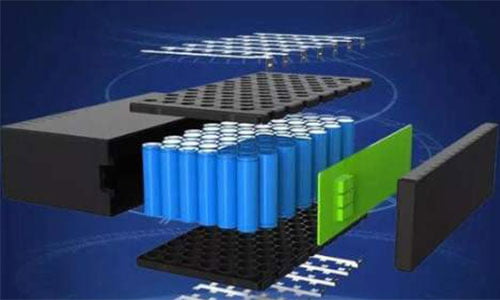
The 32135 designation refers to a cylindrical lithium cell with specific dimensional characteristics: approximately 32mm in diameter and 135mm in length. This form factor offers an optimal balance between energy density and mechanical stability, making it particularly suitable for medical applications requiring extended operational life.
Key Technical Parameters:
- Nominal Voltage: 3.6V-3.7V (Li-ion chemistry)
- Typical Capacity: 8,000-12,000 mAh depending on chemistry variant
- Operating Temperature: -20°C to +60°C (medical grade extends to +70°C)
- Cycle Life: 1,000-2,000 cycles at 80% depth of discharge
- Energy Density: 200-250 Wh/kg
For detailed product specifications, visit our cylindrical battery cell catalog to explore available configurations.
Critical Compliance Requirements for Medical Applications
Medical device batteries must meet stringent international standards. Understanding these requirements is essential for procurement decisions.
IEC 62133 Safety Certification
IEC 62133-2 represents the global benchmark for lithium battery safety. This standard covers testing for overcharge, short circuit, temperature cycling, and mechanical abuse conditions. For medical devices entering European markets, IEC 62133 compliance is mandatory under CE certification frameworks. The 2026 enforcement has become increasingly rigorous, with major distributors requiring documented test reports before accepting shipments.
ISO 13485 Quality Management
While ISO 13485 applies to medical device manufacturers, battery suppliers serving this sector should demonstrate compatible quality systems. This standard ensures traceability, risk management, and process control throughout the supply chain. FDA’s 21 CFR Part 820 alignment with ISO 13485 (expected completion in 2026) means single-system compliance will soon satisfy both US and EU regulatory requirements.
Additional Regional Certifications
- FDA Registration: Required for batteries incorporated into Class II/III medical devices in the US market
- UN 38.3: Mandatory for transportation safety of lithium batteries
- RoHS/REACH: Environmental compliance for European distribution
Procurement Best Practices for 2026
1. Supplier Qualification Framework
Evaluate potential suppliers against these criteria:
- Manufacturing facility audits (ISO 9001 minimum, ISO 13485 preferred)
- Batch traceability systems
- Quality control documentation
- After-sales technical support capabilities
2. Performance Validation Testing
Before large-scale procurement, conduct application-specific validation:
- Cycle life testing under actual load profiles
- Temperature performance verification
- Safety abuse testing (crush, nail penetration, overcharge)
- Long-term storage degradation assessment
3. Supply Chain Resilience
The 2026 market environment requires diversified sourcing strategies:
- Minimum 6-month inventory buffer for critical applications
- Dual-source qualification for high-volume programs
- Contractual commitments on specification consistency
Case Study: Infusion Pump Battery Integration
A leading medical device manufacturer recently transitioned to 32135 cells for their next-generation infusion pump platform. Key outcomes included:
- 40% runtime extension compared to previous 18650 configuration
- Reduced maintenance intervals from quarterly to annual battery replacement
- Improved safety margins through integrated BMS compatibility
- Regulatory approval acceleration with pre-certified cell documentation
This case demonstrates how proper cell selection directly impacts device performance and time-to-market.
Technical Integration Considerations
Battery Management System (BMS) Compatibility
32135 cells require appropriate BMS integration for medical applications. Key protection features include:
- Overcharge/over-discharge protection
- Cell balancing for multi-cell configurations
- Temperature monitoring with thermal shutdown
- Communication interfaces for state-of-charge reporting
Mechanical Design Factors
- Vibration resistance per IEC 60068-2-64
- Shock tolerance for portable equipment
- Connector reliability for repeated maintenance cycles
- Sealing requirements for sterile environment compatibility
Cost Optimization Without Compromising Quality
While medical-grade cells command premium pricing, strategic procurement can optimize total cost of ownership:
- Volume Commitments: Annual purchase agreements typically secure 10-15% pricing advantages
- Standardization: Reducing cell variant count across product lines improves negotiating position
- Lifecycle Planning: Coordinate procurement with product refresh cycles to minimize obsolescence risk
Conclusion
Selecting 32135 cylindrical lithium cells for medical devices requires careful evaluation of technical specifications, regulatory compliance, and supplier capabilities. The 2026 market environment demands heightened attention to documentation, traceability, and quality assurance throughout the supply chain.
For organizations seeking qualified battery manufacturing partners, explore our network of verified battery manufacturers in China with proven medical device experience. Our team can provide technical consultation and sample evaluation to support your procurement decisions.
Ready to discuss your specific requirements? Contact our technical sales team at https://cnsbattery.com/contact-2/ for customized solutions and compliance documentation packages.
This guide reflects industry standards and best practices as of March 2026. Regulatory requirements may vary by jurisdiction and application class. Always consult with qualified regulatory experts for specific compliance guidance.