
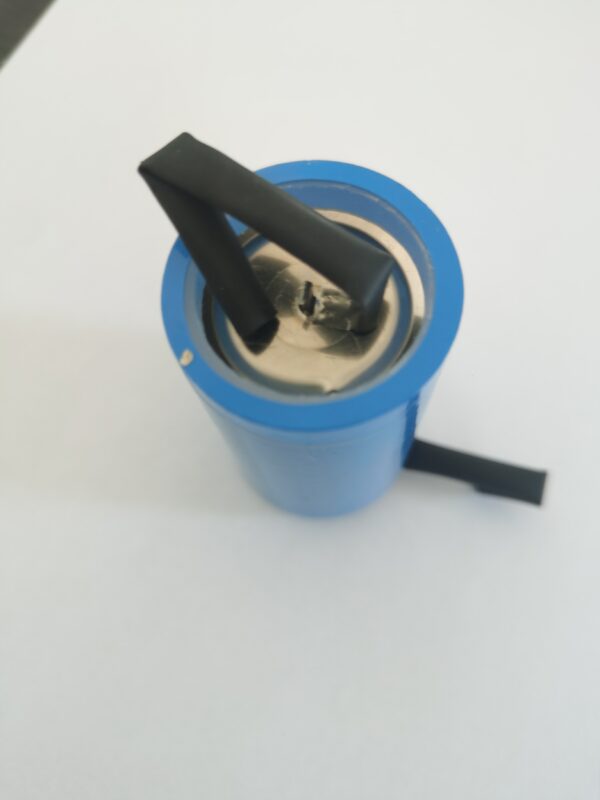
High Pulse Battery for Industrial Wireless Sensors | Li-SOCl₂ Cell
Industrial wireless sensors demand power sources that deliver reliability, longevity, and consistent performance under challenging conditions. Lithium-thionyl chloride (Li-SOCl₂) cells have emerged as the definitive solution for high-pulse applications in industrial IoT deployments across Europe, North America, and Asia-Pacific regions. This technical analysis examines the core advantages, testing methodologies, and compliance considerations that make Li-SOCl₂ batteries essential for mission-critical sensor networks.
Understanding Li-SOCl₂ Chemistry for High-Pulse Applications
Li-SOCl₂ batteries operate through an electrochemical reaction between lithium anode and thionyl chloride cathode, producing a nominal voltage of 3.6V with exceptional energy density exceeding 500 Wh/kg. Unlike conventional alkaline or NiMH alternatives, Li-SOCl₂ cells maintain stable voltage output throughout their discharge cycle, making them ideal for wireless sensor nodes requiring predictable power delivery over 10-15 year operational lifespans.
The high-pulse capability stems from advanced electrode design and electrolyte optimization. Modern Li-SOCl₂ cells incorporate hybrid layer technology that balances low self-discharge rates (under 1% annually) with the ability to deliver current spikes up to 100mA for brief transmission bursts—critical for LoRaWAN, NB-IoT, and Zigbee sensor communications.
Key Performance Parameters for Industrial Deployment
Energy Density and Capacity: Premium Li-SOCl₂ cells offer capacity ranges from 1.2Ah to 38Ah, enabling engineers to calculate precise runtime estimates based on sensor duty cycles. For typical industrial wireless sensors transmitting every 15 minutes, a 3.6V/7.2Ah cell can sustain operations beyond 12 years under -40°C to +85°C temperature ranges.
Pulse Current Performance: Industrial sensors often require 50-150mA pulses during data transmission. Quality Li-SOCl₂ batteries maintain voltage above 3.0V during these pulses, preventing brownout conditions that could corrupt data or trigger system resets. The pulse capability is verified through standardized load testing at various temperatures.
Self-Discharge and Shelf Life: With annual self-discharge rates below 1%, Li-SOCl₂ cells retain over 90% capacity after 10 years of storage—essential for distributed sensor networks where battery replacement cycles must be minimized. This characteristic reduces total cost of ownership significantly compared to rechargeable alternatives requiring frequent maintenance.
Temperature Stability: Industrial environments span extreme conditions from Arctic oil fields to desert monitoring stations. Li-SOCl₂ chemistry operates reliably from -55°C to +85°C, outperforming lithium-ion alternatives that degrade rapidly below -20°C.
Standardized Testing Methodologies
Validating Li-SOCl₂ battery performance requires adherence to international testing standards. IEC 60086-4 specifies safety and performance requirements for primary lithium batteries, while UL 1642 addresses safety considerations for North American deployments. Key testing protocols include:
- Continuous Discharge Testing: Measures capacity at C/10, C/5, and C/2 discharge rates across temperature extremes
- Pulse Load Testing: Simulates real-world transmission cycles with defined pulse duration, amplitude, and recovery periods
- Voltage Delay Assessment: Evaluates initial voltage recovery after extended storage periods
- Safety Testing: Includes crush, penetration, thermal shock, and over-discharge scenarios per UN 38.3 transportation requirements
Engineers should request certified test reports from suppliers, verifying compliance with regional standards before deployment. Third-party validation from recognized laboratories adds credibility for procurement decisions in regulated industries.
Regional Compliance and Technical Barriers
Global industrial sensor deployments must navigate varying regulatory landscapes. European Union requirements under RoHS and REACH directives restrict hazardous substances, while ATEX certification becomes mandatory for explosive atmosphere applications. North American deployments require UL recognition and compliance with FCC Part 15 for wireless device integration.
CNS Battery has established technical barriers through region-specific product optimization, ensuring seamless compliance across multiple jurisdictions. Their Li-SOCl₂ cell portfolio meets IEC, UL, and UN 38.3 standards, facilitating straightforward certification for industrial customers operating in EU, US, and Asian markets. This multi-regional compliance reduces procurement complexity for multinational organizations deploying sensor networks across borders.
For Asia-Pacific deployments, additional considerations include China GB standards and Japan PSE requirements. Leading manufacturers maintain separate production lines with region-specific documentation, accelerating time-to-market for industrial projects requiring rapid deployment schedules.
Selection Criteria for Technical Procurement
When evaluating Li-SOCl₂ suppliers for industrial wireless sensor applications, procurement teams should prioritize:
- Certified Test Data: Request independent laboratory reports validating claimed performance parameters
- Regional Compliance Documentation: Verify UL, CE, UN 38.3, and local regulatory certifications
- Technical Support Availability: Ensure engineering support for application-specific optimization
- Supply Chain Stability: Assess manufacturing capacity and lead times for large-scale deployments
- Warranty and Liability Terms: Review coverage for performance guarantees and failure scenarios
For detailed technical specifications and regional compliance documentation, visit https://cnsbattery.com/primary-battery/ to explore certified Li-SOCl₂ cell options designed for industrial wireless sensor applications.
Conclusion
Li-SOCl₂ batteries represent the optimal power solution for industrial wireless sensors requiring long-life, high-pulse capability across diverse environmental conditions. Understanding the technical parameters, testing methodologies, and regional compliance requirements enables engineers and procurement specialists to make informed decisions that minimize total cost of ownership while maximizing system reliability. As industrial IoT deployments expand globally, selecting batteries with proven performance and multi-regional certification becomes increasingly critical for project success.
For technical consultations and region-specific product recommendations, contact the engineering team at https://cnsbattery.com/primary-battery-contact-us/ to discuss your industrial wireless sensor power requirements.
