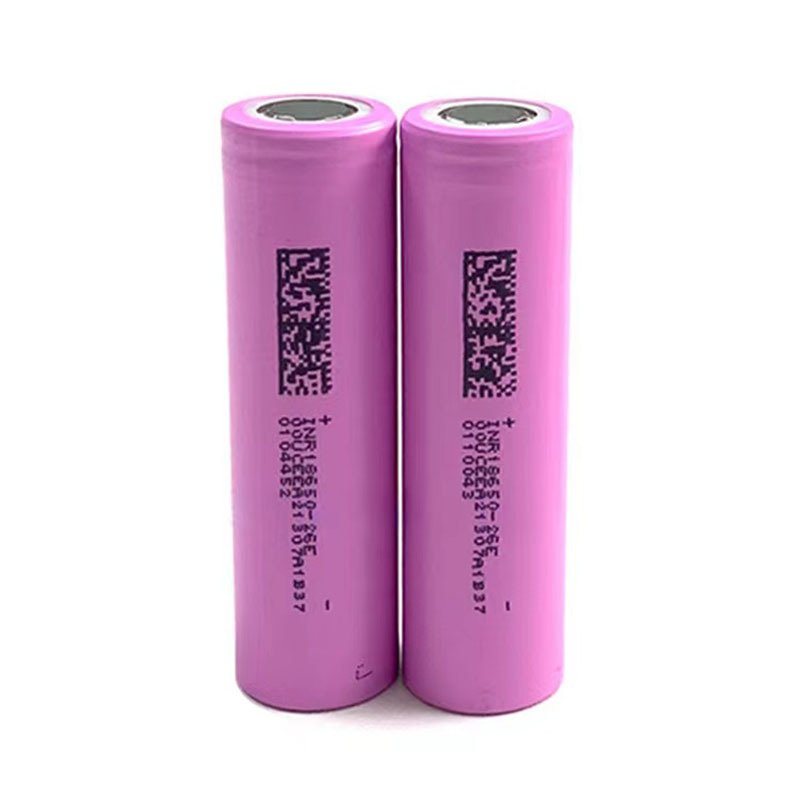
High Power Cylindrical Battery For OPE | CNS BATTERY
The outdoor power equipment (OPE) industry is undergoing a significant transformation as lithium-ion technology replaces traditional fuel-powered tools. By 2025, the global lithium-ion OPE market reached approximately 674 million yuan, with projections indicating growth to nearly 1,067 million yuan by 2032, representing a CAGR of 6.8% from 2026 to 2032. High power cylindrical batteries have emerged as the preferred power solution for professional-grade OPE applications, offering superior energy density, reliability, and performance consistency.
Why Cylindrical Battery Cells Dominate OPE Applications
Cylindrical battery cells provide distinct advantages for outdoor power equipment including lawn mowers, leaf blowers, chain saws, and trimmers. The cylindrical form factor delivers excellent mechanical stability, efficient thermal management, and proven manufacturing scalability. For OPE manufacturers, this translates to longer runtime, faster charging cycles, and enhanced durability under demanding outdoor conditions.
Key technical specifications for OPE-grade cylindrical cells typically include:
- High discharge rates: Supporting continuous discharge of 3C-5C for power-hungry tools
- Operating temperature range: -20°C to 60°C for all-weather performance
- Cycle life: 1,000-2,000 full cycles maintaining 80% capacity
- Energy density: 250-280 Wh/kg for extended runtime
Explore our comprehensive cylindrical battery cell portfolio designed specifically for OPE manufacturers seeking reliable power solutions.
Critical Compliance Requirements for Global Markets
International compliance represents the most crucial consideration for OPE battery procurement. Failure to meet regulatory standards can result in customs delays, product recalls, or legal liabilities. B2B buyers must verify the following certifications before finalizing any battery supply agreement:
UN38.3 Transportation Safety: This United Nations standard is mandatory for all lithium battery shipments. The certification includes eight rigorous tests covering altitude simulation, temperature cycling, vibration, shock, external short circuit, impact, overcharge, and forced discharge. Since 2024, updated UN38.3 requirements include thermal runaway propagation testing for enhanced safety validation.
IEC 62133 Safety Standard: The International Electrotechnical Commission’s IEC 62133-2 standard applies specifically to lithium battery systems in portable equipment. This certification is required for market access in the European Union, United Kingdom, Japan, South Korea, and numerous other regions. IEC 62133 evaluates battery safety under normal use and reasonably foreseeable misuse conditions.
Regional Certifications: Depending on target markets, additional certifications may include UL 2054 (North America), KC (Korea), PSE (Japan), and GB/T standards (China domestic market).
Partner with established battery manufacturers in China who maintain comprehensive certification portfolios and can provide complete documentation packages for your compliance teams.
Procurement Best Practices for B2B Buyers
When sourcing high power cylindrical batteries for OPE applications, consider these essential procurement guidelines:
1. Technical Compatibility Assessment: Verify cell specifications match your equipment’s power management system requirements. Key parameters include nominal voltage, capacity, maximum continuous discharge current, and pulse discharge capability. Request detailed specification sheets and sample testing before volume commitments.
2. Quality Assurance Verification: Audit manufacturer quality systems including ISO 9001 certification, incoming material inspection protocols, and end-of-line testing procedures. Request batch testing reports and traceability documentation for quality control validation.
3. Supply Chain Stability: Evaluate manufacturer production capacity, raw material sourcing strategies, and inventory management capabilities. Long-term supply agreements should include capacity reservation clauses and price adjustment mechanisms tied to raw material indices.
4. After-Sales Support: Confirm warranty terms, technical support availability, and replacement policies. Professional manufacturers should provide application engineering support for battery pack integration and troubleshooting assistance.
5. Lead Time Management: Typical production lead times range from 4-8 weeks for standard specifications. Custom configurations may require 10-12 weeks including sample approval cycles. Plan procurement schedules accordingly to avoid production disruptions.
Case Study: Professional Lawn Care Equipment Manufacturer
A leading North American OPE manufacturer transitioned from 18650 to 21700 cylindrical cells for their commercial mower line. The upgrade delivered 35% increased energy density while maintaining compatible pack dimensions. Implementation required BMS firmware updates and thermal management system optimization. Post-transition results showed 25% extended runtime per charge and 15% reduction in total pack cost due to decreased cell count requirements.
Partner Selection Criteria
Choosing the right battery supplier requires thorough due diligence. Evaluate potential partners based on:
- Manufacturing facility certifications and audit reports
- Technical team expertise in OPE applications
- Reference customers in similar equipment categories
- Financial stability and long-term business viability
- Communication responsiveness and language capabilities
For detailed consultation on cylindrical battery solutions for your OPE products, contact our technical sales team at CNS BATTERY. Our engineering team provides application-specific recommendations, sample evaluation support, and comprehensive compliance documentation to streamline your product development cycle.
The transition to electrified outdoor power equipment represents a long-term market shift. Selecting the right cylindrical battery partner today positions your organization for sustained competitive advantage in the evolving OPE landscape. Prioritize technical compatibility, regulatory compliance, and supply chain reliability over initial price considerations to ensure successful product launches and customer satisfaction.