

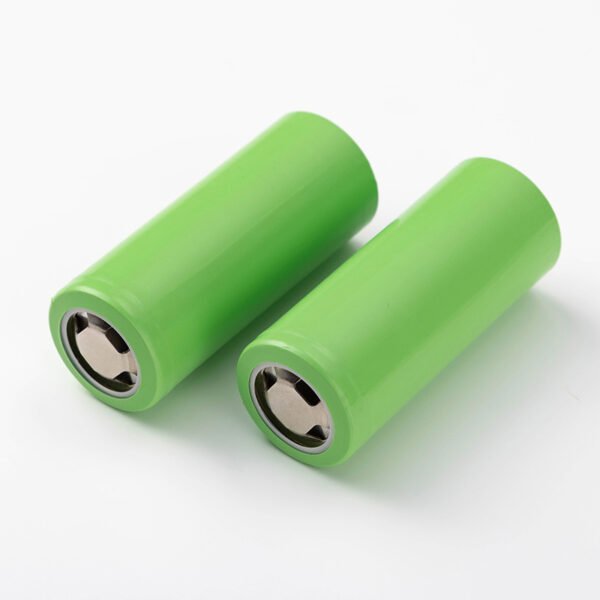
High Energy Density 18650 LFP Cells for Electric Motorcycle: Technical Deep Dive from China Wholesale Supplier
The electric motorcycle market is experiencing unprecedented growth, with manufacturers demanding reliable, high-performance battery solutions. High energy density 18650 LFP cells have emerged as the preferred choice for OEMs seeking optimal balance between safety, cycle life, and cost-effectiveness. As a leading wholesale supplier from China, understanding the technical specifications and compliance standards is critical for engineering teams and procurement specialists evaluating battery partners.
Technical Parameters & Performance Advantages
The 18650 LFP (Lithium Iron Phosphate) cylindrical cell architecture delivers distinctive advantages for two-wheeler applications. Standard specifications include:
- Nominal Capacity: 1,500-2,000mAh per cell
- Nominal Voltage: 3.2V
- Energy Density: 90-120 Wh/kg (cell level)
- Cycle Life: 2,000-5,000 cycles at 80% DOD
- Operating Temperature: -20°C to 60°C
- Maximum Continuous Discharge: 3C-5C rate
The olivine crystal structure of LFP chemistry provides superior thermal stability compared to NMC or NCA alternatives. This intrinsic safety characteristic reduces thermal runaway risks—a critical consideration for motorcycle applications where vibration and ambient temperature variations are significant operational factors.
For detailed product specifications, explore our cylindrical battery cell offerings.
Testing Methodologies & Quality Assurance
Reputable manufacturers implement comprehensive validation protocols aligned with international standards:
1. Electrical Performance Testing
- Capacity verification at 0.5C discharge rate
- Internal resistance measurement (AC impedance @1kHz)
- Rate capability assessment (1C, 2C, 3C discharge profiles)
2. Safety & Reliability Validation
- UN 38.3 transportation compliance
- IEC 62133 certification for consumer applications
- Overcharge, over-discharge, and short-circuit testing
- Vibration testing per ISO 16750-3 (automotive standard adaptation)
3. Environmental Stress Screening
- Thermal cycling (-30°C to 70°C, 100+ cycles)
- Humidity exposure (85% RH @ 45°C)
- Salt spray corrosion testing for terminal integrity
These methodologies ensure cells meet both Chinese GB/T standards and export market requirements. Procurement teams should request full test reports including batch traceability documentation.
Geo-Compliance & Regional Market Adaptation
For global distribution, battery suppliers must navigate complex regulatory landscapes. EU compliance requires adherence to the new EU Battery Regulation (2023/1542), mandating carbon footprint declarations, recycled content minimums, and digital battery passports by 2027. US market entry demands UN 38.3 certification plus state-specific requirements (California Title 20, New York Battery Stewardship).
Chinese manufacturers with established export infrastructure offer significant advantages:
- Certification Readiness: Pre-tested cells with CE, UL, RoHS documentation
- Supply Chain Transparency: Conflict mineral compliance (Dodd-Frank Section 1502)
- Logistics Optimization: Established shipping routes with DG-certified freight forwarders
CNS Battery maintains production facilities compliant with ISO 9001, ISO 14001, and IATF 16949 quality management systems. This multi-standard certification framework enables seamless market entry across North America, Europe, and Southeast Asia regions.
For manufacturers evaluating Chinese battery partners, verify battery manufacturers in China credentials including export licenses, third-party audit reports, and reference customer portfolios in your target geography.
Procurement Considerations for OEMs
When sourcing 18650 LFP cells for electric motorcycle production, engineering teams should prioritize:
- Cell Matching Consistency: Voltage deviation <10mV, capacity variance <2% within batches
- Weldability Compatibility: Nickel-plated terminals for automated pack assembly
- Technical Support Availability: Local engineering support in target markets
- Lead Time Reliability: 4-8 week production cycles with buffer inventory
Wholesale pricing structures typically offer 15-25% cost reduction at MOQ 50,000+ cells, with volume tiers negotiated annually. Payment terms vary by region—LC for initial orders, TT for established partnerships.
Conclusion
The transition to electric mobility requires battery partners who combine technical excellence with regulatory compliance. High energy density 18650 LFP cells from certified Chinese suppliers deliver the performance-to-cost ratio demanded by competitive motorcycle OEMs. Success depends on selecting partners with proven export track records, comprehensive testing capabilities, and regional compliance expertise.
For technical consultations and quotation requests, contact our engineering team at CNS Battery. Our specialists support prototype development, custom pack design, and volume production scaling for global electric motorcycle manufacturers.
Specifications subject to change based on application requirements. All certifications available upon request with NDA execution.

