
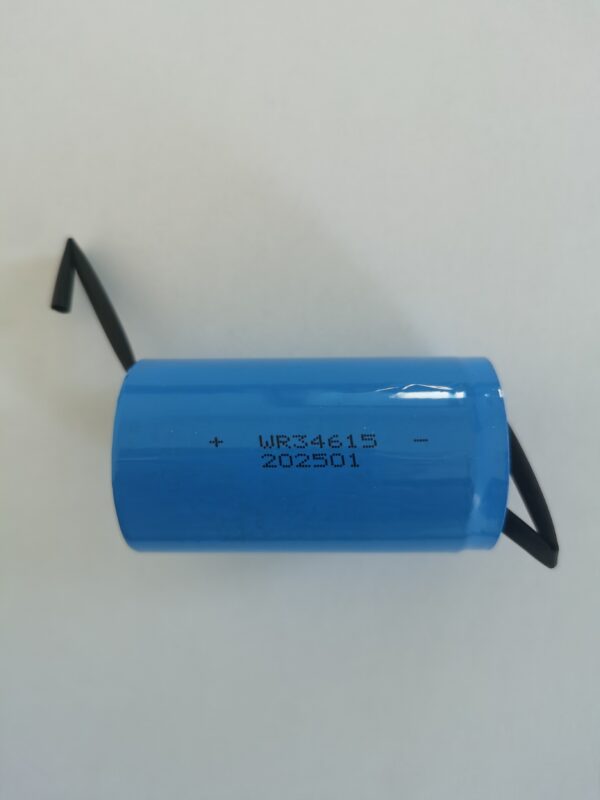
High Drain Li-SO₂ Battery | 2C Continuous Discharge
In the realm of primary lithium metal batteries, the demand for high-power density solutions is escalating. Industries ranging from defense telemetry to downhole drilling require power sources that deliver not just longevity, but significant instantaneous and continuous current. The High Drain Li-SO₂ Battery represents a pinnacle in this sector, specifically engineered to support 2C continuous discharge rates. This capability distinguishes it from standard lithium thionyl chloride (Li-SOCl₂) cells, offering a robust solution for applications where voltage delay and power limitations are unacceptable.
For B2B procurement specialists and engineering teams, understanding the technical nuances of high-drain lithium sulfur dioxide chemistry is critical for system reliability. This article dissects the core technologies, performance metrics, and application scenarios of 2C continuous discharge Li-SO₂ batteries.
Understanding Li-SO₂ Chemistry and High-Drain Capability
Lithium Sulfur Dioxide (Li-SO₂) batteries utilize a lithium anode and a liquid cathode composed of sulfur dioxide dissolved in an organic solvent with an electrolyte salt. Unlike passive cathode materials, the liquid cathode allows for superior ion mobility. This intrinsic characteristic reduces internal impedance significantly, enabling high current pulses and sustained high-rate discharge.
While standard primary lithium cells often struggle with voltage depression under heavy loads, the Li-SO₂ chemistry maintains a stable voltage plateau even under high stress. The 2C continuous discharge specification implies that the battery can deliver a current equivalent to twice its rated capacity every hour for the duration of its discharge cycle. For example, a 2.0Ah cell can sustain a 4.0A load continuously. This is a demanding requirement for primary chemistry, necessitating advanced electrode design and pressure management systems.
Core Technical Advantages of 2C Continuous Discharge
1. Superior Power Density
The primary advantage of a high-drain Li-SO₂ battery is its power density. In applications where space and weight are constrained—such as portable military communications or autonomous underwater vehicles (AUVs)—the ability to draw high current without significant voltage drop is paramount. The low internal resistance ensures that energy is delivered efficiently, minimizing heat generation within the cell during high-rate operation.
2. Wide Temperature Performance
High-drain applications often operate in extreme environments. Li-SO₂ batteries are renowned for their operational temperature range, typically functioning effectively from -55°C to +70°C. The 2C discharge capability is maintained across a significant portion of this range, ensuring reliability in arctic surveillance or desert exploration equipment. The liquid cathode remains active at low temperatures where solid cathode materials might freeze or become resistive.
3. Long Shelf Life with Readiness
Despite their high-power capability, these batteries retain the hallmark of primary lithium cells: long shelf life. With a self-discharge rate of less than 1% per year at ambient temperatures, systems equipped with these batteries can remain in storage for years and still deliver full 2C discharge performance upon activation. This is crucial for emergency backup systems and military stockpiles.
Application Scenarios for High-Drain Primary Power
The integration of 2C continuous discharge capabilities opens specific use cases where rechargeable lithium-ion batteries may pose safety risks or fail to meet energy density requirements.
- Defense and Aerospace: Missile guidance systems, radar fuses, and emergency locator transmitters require guaranteed power delivery under high G-forces and vibration. The robust construction of Li-SO₂ cells meets these mechanical demands.
- Industrial Telemetry: Remote monitoring stations in oil and gas pipelines often require high-current bursts for data transmission via satellite. A battery capable of sustaining high drain ensures data integrity without voltage sag.
- Medical Devices: Portable surgical tools or emergency defibrillators need instant, high-energy delivery. Primary lithium ensures the device is always ready without the maintenance cycle of rechargeables.
Safety and Handling Considerations
High-drain primary batteries operate under internal pressure due to the sulfur dioxide cathode. Safety is a non-negotiable aspect of B2B battery procurement. Modern High Drain Li-SO₂ cells incorporate safety vents designed to release pressure gradually in the event of thermal runaway or external short circuits, preventing catastrophic rupture.
Compliance with international transport regulations, such as UN38.3, is essential. Manufacturers must provide comprehensive test summaries confirming the battery’s safety under vibration, shock, and external short-circuit conditions. For engineering teams integrating these cells, proper thermal management and circuit protection (fusing) are recommended to maximize safety margins during 2C discharge operations.
Selecting the Right Partner for Primary Battery Solutions
When sourcing high-drain Li-SO₂ batteries, verification of the 2C continuous discharge claim is vital. Not all Li-SO₂ cells are created equal; variations in electrode surface area and electrolyte formulation can drastically affect high-rate performance. Partnering with a manufacturer that specializes in primary lithium technology ensures access to cells that are rigorously tested for high-drain applications.
For detailed specifications on our high-drain primary battery series, including custom sizing and terminal configurations, please visit our primary battery product page. Our engineering team can assist in selecting the optimal cell chemistry for your specific load profiles.
Conclusion
The High Drain Li-SO₂ Battery with 2C Continuous Discharge capability represents a specialized solution for high-performance industrial and defense applications. By leveraging the low impedance of sulfur dioxide chemistry, these batteries deliver consistent power in extreme conditions where other chemistries fail. Understanding the technical advantages—from power density to temperature resilience—allows procurement officers and engineers to make informed decisions that enhance system reliability.
For further technical consultations, custom battery pack integration, or to request samples for testing, please contact us through our official contact page. Ensuring your critical systems are powered by verified, high-performance primary cells is the foundation of operational success.
