
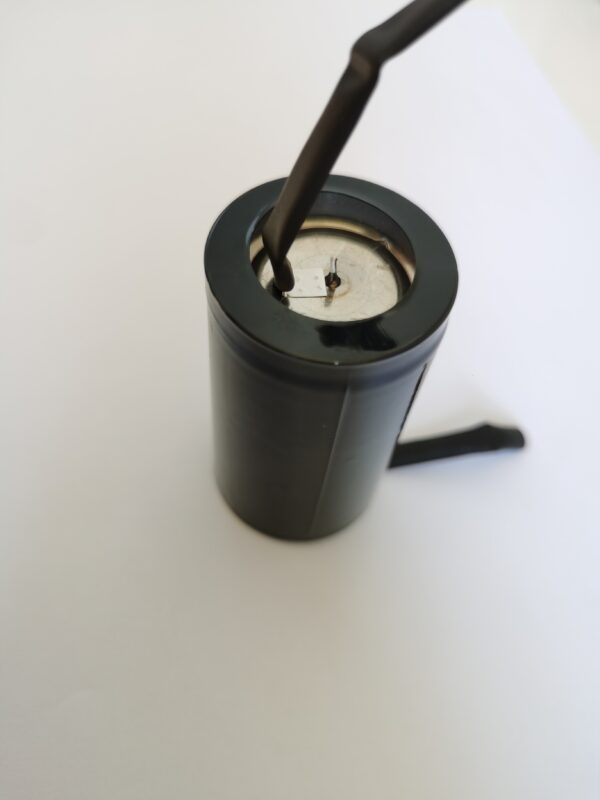
High Capacity D Size Li-SO₂ Battery | Emergency Use
In the realm of critical power solutions, reliability is not merely a feature; it is a mandate. For industries ranging from maritime safety to defense communications, the failure of a power source during an emergency is unacceptable. As we advance into 2026, the demand for robust, long-lasting energy storage has intensified. Among the various chemistries available, the High Capacity D Size Li-SO₂ Battery stands out as a premier choice for emergency use cases. This article, written from the perspective of lithium primary battery specialists, dissects the technical merits, application scenarios, and operational considerations of this powerful energy source.
The Core Chemistry: Why Li-SO₂?
Lithium Sulfur Dioxide (Li-SO₂) technology represents a mature yet vital segment of the primary lithium battery market. Unlike the more common Lithium Thionyl Chloride (Li-SOCl₂) cells, Li-SO₂ batteries utilize sulfur dioxide as the cathode active material. This distinction grants them unique electrochemical properties essential for emergency protocols.
The nominal voltage of a D-size Li-SO₂ cell is 3.0V, providing a stable discharge curve that ensures consistent performance throughout the battery’s life. What truly differentiates this chemistry is its high power density. Emergency devices often require high pulse currents to transmit distress signals or activate backup systems instantly. Li-SO₂ cells excel in delivering these high current bursts without significant voltage depression, a critical factor when every second counts.
Furthermore, the operational temperature range of Li-SO₂ batteries is exceptionally wide, typically functioning efficiently from -55°C to +70°C. In emergency scenarios, equipment may be exposed to extreme environmental conditions, from the freezing depths of the ocean to the scorching heat of a desert deployment. The D-size form factor, offering substantial capacity (often exceeding 10 Ah depending on specific design loads), ensures that devices remain operational for extended standby periods, sometimes up to 10 years, before activation is required.
Critical Applications in Emergency Systems
The versatility of the D-size Li-SO₂ battery makes it indispensable across several high-stakes sectors. Understanding these applications helps procurement officers and engineers specify the correct power solution.
1. Maritime and Aviation Emergency Beacons
Emergency Position Indicating Radio Beacons (EPIRB) and Emergency Locator Transmitters (ELT) rely heavily on D-size Li-SO₂ batteries. These devices sit dormant for years but must function flawlessly when submerged or subjected to impact. The high capacity ensures the beacon can transmit a signal continuously for the mandated 24 to 48 hours, facilitating rescue operations. The chemistry’s resistance to passivation ensures that even after long storage, the battery delivers full power immediately upon activation.
2. Military and Defense Communications
Field radios and portable communication units used by defense forces require power sources that are both lightweight and capable of high drain. The D-size Li-SO₂ battery provides the necessary energy density to reduce the logistical burden of carrying spare batteries while ensuring communication lines remain open during critical missions. Their ability to operate in sub-zero temperatures is particularly valuable for operations in arctic or high-altitude regions.
3. Industrial Backup and Safety Systems
In industrial settings, such as oil rigs or remote monitoring stations, safety systems must activate during power outages or catastrophic failures. Li-SO₂ batteries serve as the backbone for these backup systems, powering valves, alarms, and data loggers. The long shelf life reduces maintenance intervals, a significant cost-saving factor for global infrastructure managers.
Technical Considerations and Safety Protocols
While Li-SO₂ batteries offer superior performance, they require careful handling due to the pressurized nature of sulfur dioxide within the cell. As professionals in the industry, we emphasize the importance of adhering to safety standards.
Pressure Venting: Li-SO₂ cells are hermetically sealed but equipped with safety vents to release internal pressure in case of overheating or short-circuiting. It is crucial that battery compartments in emergency devices are designed to accommodate potential venting without damaging surrounding electronics.
Storage Conditions: To maximize shelf life, these batteries should be stored in cool, dry environments. While they boast a low self-discharge rate (typically less than 1% per year), extreme heat can accelerate internal chemical reactions, potentially compromising the cell’s integrity over long periods.
Regulatory Compliance: For international shipping and deployment, compliance with UN 3090 (Lithium batteries) regulations is mandatory. Ensuring that your supply chain adheres to these transport safety standards is vital for avoiding logistical delays.
Selecting the Right Supplier
In 2026, the market is flooded with various battery manufacturers, but not all meet the rigorous standards required for emergency applications. When sourcing High Capacity D Size Li-SO₂ Batteries, B2B buyers should prioritize suppliers with a proven track record in primary lithium technology. Key factors include manufacturing consistency, quality control certifications (such as ISO 9001), and the ability to provide technical support for integration.
For organizations seeking reliable partners, it is essential to engage with manufacturers who specialize in industrial-grade cells rather than consumer electronics. You can explore a comprehensive range of industrial primary battery solutions at https://cnsbattery.com/primary-battery/. Ensuring that your emergency systems are powered by certified, high-quality cells is an investment in safety and operational continuity.
Conclusion
The High Capacity D Size Li-SO₂ Battery remains a cornerstone of emergency power infrastructure. Its combination of high pulse capability, wide temperature tolerance, and long shelf life makes it irreplaceable for critical applications where failure is not an option. As technology evolves, the fundamental reliability of Li-SO₂ chemistry continues to safeguard lives and assets globally.
For further technical specifications, customization options, or to discuss your specific emergency power requirements, our team of experts is ready to assist. We invite you to reach out through our dedicated contact channel at https://cnsbattery.com/primary-battery-contact-us/. By partnering with experienced professionals, you ensure that your emergency systems are always ready, always reliable, and always powered.
