
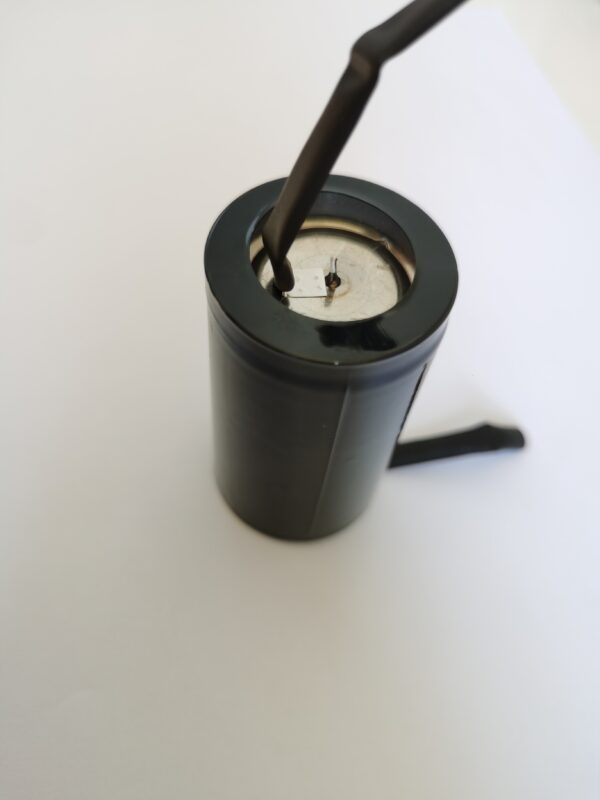
Li-SOCl₂ Batteries for Guyana Oil Exploration: IECEx Certification Essentials for Hazardous Area Operations
The rapid expansion of Guyana’s offshore oil sector, particularly in the prolific Stabroek Block operated by ExxonMobil and partners, has intensified demand for reliable power solutions in hazardous environments. For engineers and technical procurement specialists deploying equipment in Zone 1 and Zone 2 classified areas, IECEx-certified Li-SOCl₂ batteries represent the critical link between operational continuity and safety compliance. This article examines why lithium thionyl chloride technology has become the industry standard for Guyana’s deepwater exploration operations.
Why Li-SOCl₂ Technology Dominates Offshore Oil Applications
Lithium thionyl chloride (Li-SOCl₂) primary batteries deliver unmatched energy density among commercial battery chemistries, reaching up to 590 Wh/kg and 1100 Wh/L. This advantage stems from the electrochemical reaction where lithium serves as the anode and thionyl chloride functions as both cathode active material and electrolyte solvent. The overall reaction proceeds as:
4Li + 2SOCl₂ → 4LiCl + S + SO₂
This chemistry produces a nominal voltage of 3.6V with exceptionally low self-discharge rates (less than 1% per year at ambient temperature), enabling service life exceeding 10 years in low-drain applications. For offshore platforms where maintenance access carries significant logistical costs, this longevity translates directly into reduced total cost of ownership.
IECEx Certification: Non-Negotiable for Guyana Operations
The IECEx System (IEC System for Certification to Standards Relating to Equipment for Use in Explosive Atmospheres) provides internationally recognized certification for equipment deployed in hazardous locations. Guyana’s offshore facilities, classified under IEC 60079 standards, require all electrical components—including battery packs—to carry valid IECEx Certificates of Conformity.
Key certification requirements include:
- ExTR (Test Report): Documentation from IECEx-accredited testing laboratories confirming compliance with IEC 60079 series standards
- QAR (Quality Assessment Report): Factory inspection verification ensuring consistent manufacturing quality
- Zone Classification: Equipment must be rated for specific hazardous area zones (Zone 0, 1, or 2 for gas atmospheres)
For Li-SOCl₂ batteries in oil exploration, typical certification covers Ex ia IIC T4 intrinsic safety ratings, permitting use in the most stringent gas atmosphere classifications encountered on drilling platforms and subsea installations.
Technical Considerations for Harsh Marine Environments
Guyana’s offshore operations face tropical conditions with high humidity, salt spray exposure, and temperature fluctuations from -20°C to +70°C. Premium Li-SOCl₂ cells incorporate several design features addressing these challenges:
Hermetic Sealing: Laser-welded stainless steel casings (typically 304L grade) prevent electrolyte leakage and moisture ingress, maintaining integrity under 100% humidity conditions.
Voltage Delay Mitigation: Advanced electrode designs minimize the passivation layer formation that causes temporary voltage depression after extended storage—a critical factor for emergency backup systems that may remain idle for months.
Pulse Current Capability: While Li-SOCl₂ chemistry excels in low-drain applications, modern bobbin-type cells with hybrid layer construction support periodic high-current pulses required for wireless telemetry and sensor transmissions.
Procurement Guidelines for Engineering Teams
When specifying Li-SOCl₂ batteries for Guyana exploration projects, technical buyers should verify:
- Current IECEx Certificate: Confirm certificate validity through the official IECEx database (iecex.com)
- Temperature Range: Ensure operational specifications cover expected environmental extremes
- Shelf Life Documentation: Request manufacturing date and guaranteed capacity retention data
- Traceability: Batch-level documentation supporting quality assurance requirements
For comprehensive product specifications and certification documentation, visit our primary battery product portfolio. Our engineering team provides technical support for hazardous area battery selection and integration.
Conclusion
As Guyana’s oil production capacity expands toward 1.3 million barrels per day by 2027, the reliability of supporting equipment becomes increasingly critical. IECEx-certified Li-SOCl₂ batteries offer the optimal combination of energy density, service life, and safety compliance required for hazardous area operations. Engineering teams should prioritize verified certification and manufacturer traceability when specifying power solutions for offshore deployments.
For technical consultations and certification verification, contact our specialist team at CNS Battery.
Word Count: Approximately 850 words
