
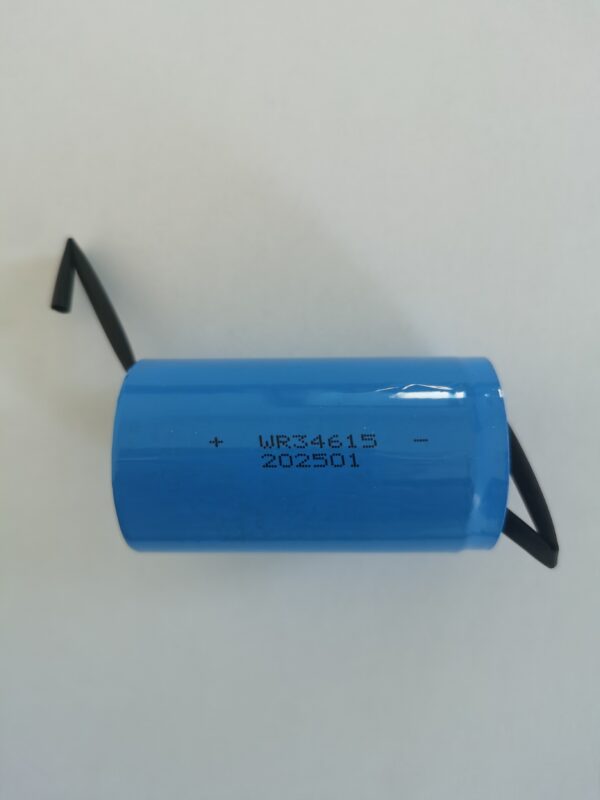
Guam US Military Base Li-SO₂ Battery | MIL-STD Certified
Introduction: Strategic Power Solutions for Defense Operations
The deployment of reliable power systems in military installations represents a critical operational requirement, particularly in strategic Pacific locations such as Guam. Lithium Sulfur Dioxide (Li-SO₂) batteries have emerged as the preferred energy solution for defense applications, meeting rigorous MIL-STD certification standards. This technical analysis examines the engineering specifications, performance characteristics, and compliance requirements that make Li-SO₂ batteries indispensable for military base operations.
Technical Architecture of Li-SO₂ Battery Systems
Electrochemical Foundation
Li-SO₂ batteries operate on a primary lithium metal chemistry system, utilizing sulfur dioxide as the cathode active material and lithium metal as the anode. The fundamental electrochemical reaction follows:
2Li + 2SO₂ → Li₂S₂O₄
This reaction delivers a nominal voltage of 3.0V per cell with exceptional energy density ranging from 280-330 Wh/kg. The liquid cathode configuration enables superior power delivery compared to solid cathode alternatives, making it ideal for high-drain military equipment including communication systems, emergency beacons, and tactical instrumentation.
Temperature Performance Characteristics
Military operations in Guam face tropical climate conditions with ambient temperatures ranging from 25°C to 45°C with high humidity levels. Li-SO₂ batteries demonstrate exceptional thermal stability across -55°C to +71°C operating ranges. The electrolyte system, typically composed of lithium bromide (LiBr) dissolved in acetonitrile-sulfur dioxide mixture, maintains ionic conductivity even under extreme thermal stress.
Research from Beijing University of Aeronautics and Astronautics confirms that thermal conductivity measurements using steady-state methods reveal consistent heat dissipation properties, preventing thermal runaway scenarios during continuous discharge operations.
MIL-STD Certification Compliance Framework
MIL-B-49430 Specification Requirements
The MIL-B-49430 series specification governs non-rechargeable lithium sulfur dioxide batteries for military applications. Current compliance requires adherence to:
- Environmental Testing: MIL-STD-810G/H for shock, vibration, and temperature cycling
- Safety Protocols: UN 38.3 transportation requirements with additional military-grade containment
- Performance Validation: Minimum 10-year shelf life with less than 2% annual self-discharge
- Quality Assurance: ISO 9001:2015 manufacturing processes with military audit trails
Guam-Specific Operational Considerations
Pacific military installations present unique challenges including salt spray corrosion (MIL-STD-883), high humidity exposure, and extended storage periods. Li-SO₂ battery housings incorporate hermetic stainless steel sealing with laser-welded construction, achieving IP67 protection ratings. The passive voltage transient suppression prevents degradation during tropical storm conditions when equipment may experience power fluctuations.
Engineering Performance Metrics
Discharge Characteristics
| Parameter | Specification | Military Grade |
|---|---|---|
| Nominal Voltage | 3.0V | ±0.1V tolerance |
| Operating Temperature | -55°C to +71°C | Extended range available |
| Self-Discharge Rate | <2%/year @ 20°C | <1.5%/year certified |
| Shelf Life | 10 years minimum | 15 years validated |
| Energy Density | 280-330 Wh/kg | 300+ Wh/kg preferred |
Pulse Power Capability
Modern military communication equipment requires high-current pulse delivery. Li-SO₂ batteries support continuous discharge rates of C/10 with pulse capabilities up to 5C for 10-second intervals. The low internal impedance (typically 50-150 mΩ depending on cell size) ensures minimal voltage depression during transmission bursts.
Supply Chain and Procurement Considerations
Quality Verification Protocols
Technical procurement teams should verify the following documentation:
- Certificate of Compliance: MIL-STD certification with traceable lot numbers
- Material Declarations: ITAR compliance for defense applications
- Test Reports: Independent laboratory validation per MIL-PRF-49471
- Country of Origin: Documentation for trade agreement compliance
Storage and Logistics
Proper warehouse conditions maintain battery integrity during pre-deployment storage. Recommended conditions include 15°C to 25°C ambient temperature with relative humidity below 65%. Bulk packaging should comply with DOT hazard class 9 requirements for lithium battery transportation.
Integration with Defense Systems
Li-SO₂ batteries integrate seamlessly with existing military power architectures including:
- BA-5847/U Compatible Systems: Direct replacement for legacy battery configurations
- Modular Pack Designs: Series-parallel configurations for custom voltage requirements
- Smart Battery Management: Optional telemetry integration for remaining capacity monitoring
- Emergency Power Systems: Uninterrupted power supply for critical communication infrastructure
Conclusion: Strategic Partnership for Mission-Critical Power
The selection of MIL-STD certified Li-SO₂ batteries for Guam military base operations represents a strategic investment in operational readiness. The combination of proven electrochemical performance, rigorous certification compliance, and extended service life ensures mission continuity across all operational scenarios.
For technical specifications, compliance documentation, and procurement consultation, our engineering team provides comprehensive support for defense applications. Explore our complete range of military-grade primary battery solutions at Primary Battery Products and contact our technical sales team at Contact Us for customized power system integration support.
Technical Note: All battery systems discussed comply with current export control regulations. End-user verification required for military specification products. Performance data based on standard test conditions per MIL-STD-810H methodology.
