
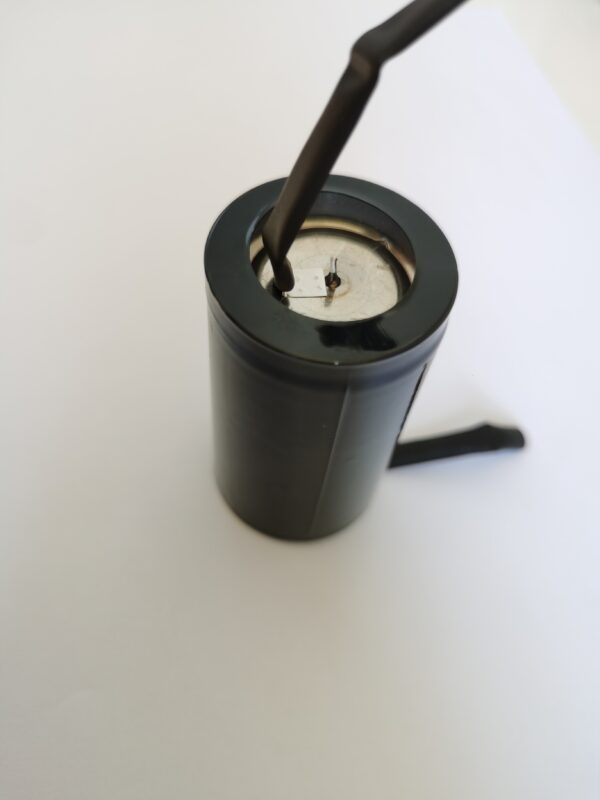
Ghana FDA Approved Li-MnO₂ Medical Battery: A Technical Breakthrough for Healthcare Applications
The recent approval of Lithium Manganese Dioxide (Li-MnO₂) medical batteries by the Ghana Food and Drugs Authority (FDA) marks a significant milestone in the global medical device power supply industry. This certification validates the safety, reliability, and performance standards required for critical healthcare applications across West Africa and beyond. For engineers and technical procurement specialists, understanding the technical foundations and regulatory implications of this approval is essential for making informed sourcing decisions.
Understanding Li-MnO₂ Battery Technology
Li-MnO₂ batteries represent one of the most established primary lithium battery chemistries available today. These non-rechargeable power cells utilize metallic lithium as the anode and manganese dioxide as the cathode, delivering a nominal voltage of 3.0V. The electrochemical reaction produces consistent power output with minimal voltage depression throughout the discharge cycle, making them particularly suitable for medical devices requiring stable, long-term power delivery.
The fundamental chemistry follows this reaction: Li + MnO₂ → LiMnO₂. This straightforward yet effective mechanism provides several advantages including high energy density (approximately 280 Wh/kg), wide operating temperature ranges (-40°C to +85°C), and exceptional shelf life exceeding 10 years under proper storage conditions. These characteristics are critical for medical equipment that must operate reliably in diverse environmental conditions without frequent battery replacement.
Ghana FDA Regulatory Framework for Medical Battery Certification
The Ghana FDA operates under stringent guidelines aligned with international medical device standards. Battery certification for medical applications requires comprehensive documentation including electrochemical safety testing, thermal stability verification, and long-term performance validation. The approval process evaluates multiple parameters: leakage resistance, short-circuit protection, discharge curve consistency, and biocompatibility of battery housing materials.
For medical device manufacturers targeting African markets, this approval establishes a crucial precedent. It demonstrates that Li-MnO₂ batteries can meet rigorous regulatory standards while maintaining cost-effectiveness for healthcare infrastructure development. The certification particularly benefits portable medical devices including glucose monitors, pulse oximeters, infusion pumps, and emergency diagnostic equipment deployed in remote healthcare facilities.
Technical Specifications for Medical-Grade Li-MnO₂ Batteries
Medical-grade Li-MnO₂ batteries must satisfy specific performance criteria beyond standard commercial specifications. Key technical requirements include:
Voltage Stability: Medical devices demand minimal voltage fluctuation throughout the discharge cycle. Quality Li-MnO₂ cells maintain voltage above 2.7V for over 80% of their capacity, ensuring consistent device operation without unexpected shutdowns during critical procedures.
Leakage Prevention: Advanced sealing technologies prevent electrolyte leakage even under extreme temperature variations or physical stress. Medical certifications require batteries to pass accelerated aging tests simulating 10+ years of storage without degradation.
Low Self-Discharge: Premium medical batteries exhibit self-discharge rates below 1% annually, preserving capacity for emergency equipment that may remain unused for extended periods before deployment.
Safety Compliance: IEC 60086-4 standards govern safety testing including external short-circuit resistance, forced discharge tolerance, and thermal abuse scenarios. Medical applications require additional biocompatibility certification for any materials contacting patients or medical environments.
Market Implications and Procurement Considerations
The Ghana FDA approval opens significant opportunities for medical device manufacturers expanding into West African markets. Technical procurement teams should prioritize suppliers with demonstrated regulatory compliance history and comprehensive quality management systems. When evaluating Li-MnO₂ battery suppliers, consider manufacturing certifications (ISO 13485 for medical devices), traceability documentation, and batch testing protocols.
Supply chain reliability becomes paramount for medical applications. Established manufacturers maintain consistent production quality through automated assembly lines, clean-room environments, and rigorous incoming material inspection. Procurement specialists should request sample testing data, regulatory certificates, and failure analysis reports before committing to large-volume orders.
For comprehensive product specifications and technical documentation, visit https://cnsbattery.com/primary-battery/ to explore certified Li-MnO₂ battery options suitable for medical applications.
Future Outlook for Medical Battery Technology in Emerging Markets
The Ghana FDA approval signals growing regulatory harmonization across African markets. As healthcare infrastructure expands throughout the continent, demand for reliable, certified power solutions will accelerate. Li-MnO₂ technology continues evolving with improved energy density, enhanced safety features, and environmentally conscious manufacturing processes.
Emerging trends include smart battery integration with device monitoring systems, enabling remote capacity tracking and predictive replacement scheduling. These innovations particularly benefit telemedicine initiatives and mobile health clinics operating in resource-limited settings where maintenance access remains challenging.
Technical teams should maintain awareness of evolving regulatory requirements as regional FDA authorities strengthen medical device oversight. Proactive compliance strategies, including early engagement with regulatory bodies and comprehensive documentation preparation, will streamline market entry for new medical device launches.
Conclusion
The Ghana FDA approval of Li-MnO₂ medical batteries represents more than regulatory compliance—it establishes a quality benchmark for medical power solutions in emerging healthcare markets. For engineers and procurement professionals, this certification provides confidence in battery performance, safety, and long-term reliability for critical medical applications.
As the global medical device industry continues expanding into underserved regions, partnerships with certified battery manufacturers become increasingly strategic. Technical teams should prioritize suppliers demonstrating regulatory expertise, manufacturing excellence, and commitment to medical-grade quality standards.
For direct technical consultation and customized battery solutions, contact qualified suppliers through https://cnsbattery.com/primary-battery-contact-us/ to discuss specific application requirements and regulatory compliance pathways.
The convergence of proven Li-MnO₂ technology with rigorous regulatory approval creates new possibilities for reliable healthcare delivery across Africa and similar emerging markets. Technical professionals who understand both the electrochemical fundamentals and regulatory landscapes will be best positioned to support this critical infrastructure development.
