
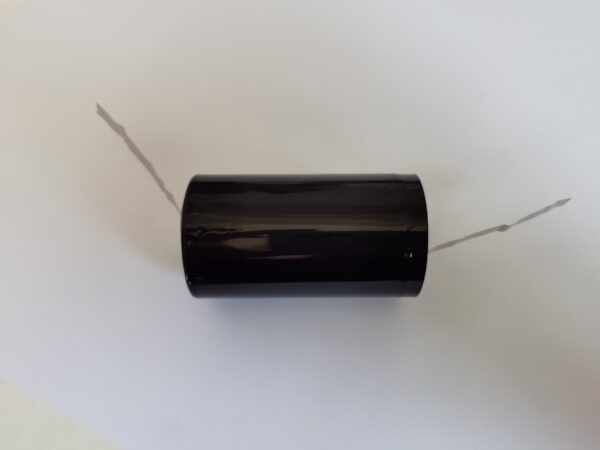
Full Technical Documentation: Lithium Battery for Scientific Research
Introduction
Lithium metal primary batteries represent the pinnacle of energy density technology for scientific research applications. As industry professionals with extensive expertise in electrochemical energy storage systems, we provide this comprehensive technical documentation to assist B2B clients in selecting optimal power solutions for research instrumentation, remote monitoring systems, and specialized laboratory equipment.
Core Technology Overview
Electrochemical Fundamentals
Lithium primary batteries utilize metallic lithium as the anode material, offering superior specific energy compared to conventional battery chemistries. The fundamental electrochemical reaction varies by cathode composition, with lithium thionyl chloride (Li/SOCl₂) and lithium manganese dioxide (Li/MnO₂) being the most prevalent configurations for scientific applications.
The Li/SOCl₂ system delivers exceptional energy density reaching 590 Wh/kg and 1100 Wh/L, making it ideal for long-duration research deployments. The overall reaction follows: 4Li + 2SOCl₂ → 4LiCl + S + SO₂, with lithium chloride precipitating during discharge.
Key Technical Specifications
Operating Temperature Range: -55°C to +85°C (extended range options available)
Nominal Voltage: 3.6V (Li/SOCl₂), 3.0V (Li/MnO₂)
Self-Discharge Rate: <1% per year at ambient temperature
Shelf Life: 10-15 years under proper storage conditions
Energy Density: 500-590 Wh/kg depending on cell configuration
Application-Specific Considerations for Research
Instrumentation Power Requirements
Scientific equipment demands stable voltage output throughout the discharge cycle. Lithium primary batteries maintain flat discharge curves, ensuring consistent performance for sensitive measurement devices including:
- Gas chromatography systems
- Environmental monitoring stations
- Remote data loggers
- Medical research equipment
- Aerospace instrumentation
Safety and Compliance Standards
All lithium metal primary batteries must comply with international transportation regulations. Current IATA Dangerous Goods Regulations (DGR) Edition 66 and Lithium Battery Shipping Regulations (LBSR) Edition 12 govern air transport requirements. Key compliance points include:
- UN 3090 classification for standalone lithium metal batteries
- State of charge restrictions for air shipment
- Proper packaging and labeling protocols
- Documentation requirements for hazardous materials
Technical Selection Guidelines
Capacity Optimization
Selecting appropriate capacity requires analyzing discharge profiles specific to your research application. Continuous low-drain applications benefit from bobbin-type construction, while pulse-load scenarios require spiral-wound configurations capable of delivering higher current peaks.
Environmental Considerations
Research deployments in extreme environments demand specialized cell designs. Hermetic sealing technologies prevent electrolyte degradation, while advanced separator materials maintain performance across temperature extremes.
Quality Assurance and Testing
Manufacturing Standards
Premium lithium primary batteries undergo rigorous quality control including:
- 100% voltage screening
- Leak testing with helium mass spectrometry
- Capacity verification at multiple discharge rates
- Long-term storage validation
Certification Requirements
B2B clients should verify supplier certifications including ISO 9001, UL recognition, and compliance with IEC 60086 standards. Research institutions often require additional documentation for grant compliance and safety audits.
Integration Support
Successful battery integration requires collaboration between power system engineers and equipment designers. Key integration considerations include:
- Contact resistance optimization
- Thermal management strategies
- Voltage monitoring circuitry
- End-of-life prediction algorithms
Supply Chain Considerations
Lead Times and Availability
Strategic planning for research projects necessitates understanding manufacturing lead times. Standard configurations typically ship within 4-6 weeks, while custom specifications may require 8-12 weeks for production and testing.
Technical Documentation Support
Comprehensive technical packages include:
- Detailed specification sheets
- Safety data sheets (SDS)
- Transportation classification documents
- Application engineering support
Conclusion
Lithium metal primary batteries offer unmatched performance for scientific research applications requiring long-term, reliable power sources. Proper selection based on technical specifications, environmental conditions, and regulatory compliance ensures optimal research outcomes.
For detailed product specifications and technical consultation, visit our primary battery product page. Our engineering team provides comprehensive support for research institutions requiring customized power solutions.
To discuss your specific research power requirements or request technical documentation, please contact us for personalized consultation with our battery specialists.
This technical documentation reflects current industry standards as of 2026. Specifications subject to change based on technological advancements and regulatory updates.
