
Here is the professionally crafted, SEO-optimized article tailored for a global B2B audience, based on the specifications and reference materials provided.
The Ultimate Guide to Primary Lithium Batteries: Powering Industrial Applications
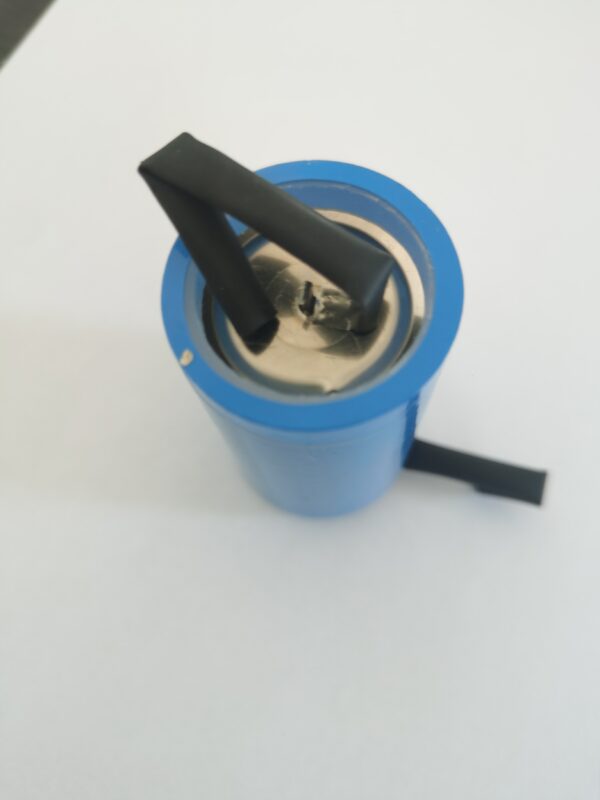
In the world of industrial electronics and remote instrumentation, the shift from disposable alkaline cells to high-performance Primary Lithium Batteries is no longer optional—it is a necessity. For engineers and procurement managers overseeing critical infrastructure, the reliability of the power source often dictates the lifespan and safety of the entire system. Unlike their rechargeable counterparts, primary lithium batteries offer unmatched energy density, extreme temperature tolerance, and decades of maintenance-free operation.
This guide explores why lithium thionyl chloride (Li-SOCl₂) and lithium manganese dioxide (Li-MnO₂) technologies are becoming the global standard for smart metering, medical devices, and industrial IoT.
The Technical Edge: Why Primary Lithium?
At the core of every Primary Lithium Battery is non-aqueous electrolyte chemistry. This fundamental difference allows these cells to operate in environments where standard aqueous electrolytes (like those in alkaline batteries) would freeze or boil.
- Voltage Stability: Primary lithium cells maintain a stable voltage (typically 3.0V or 3.6V) throughout their discharge cycle. This is crucial for precision instruments that require consistent power levels to function accurately.
- Self-Discharge Rate: With an annual self-discharge rate of less than 1%, these batteries can sit on a shelf or inside a dormant device for up to 10-15 years without significant capacity loss.
- Wide Temperature Range: From the freezing tundra of Siberia to the scorching deserts, primary lithium batteries reliably operate in temperatures ranging from -55°C to +85°C.
Industrial Applications and Case Studies
The versatility of primary lithium technology solves specific pain points across various sectors. Here are the most common use cases where these batteries are the unsung heroes of modern infrastructure.
1. Smart Metering (AMR/AMI Systems)
Water, gas, and electricity meters are often buried underground or placed in unheated utility closets. The Lithium Thionyl Chloride battery is the industry standard here due to its ability to deliver high pulses for wireless transmission (GPRS/LoRa) while maintaining a low self-discharge rate for the 15-20 year lifespan required by utility companies.
2. Medical & Safety Equipment
In medical telemetry and implantable devices (subject to strict regulatory approval), the safety and predictability of lithium chemistry are paramount. The high energy density allows for smaller, lighter devices without compromising on runtime.
3. Automotive Telematics & GPS Tracking
For global logistics and asset tracking, devices must function regardless of the climate. Primary lithium cells power the GPS trackers that monitor cargo containers moving from port to port, ensuring that the “black box” of logistics never loses power.
4. Remote Industrial Sensors
In the oil and gas industry, sensors placed on pipelines or drilling rigs cannot be serviced frequently. Primary lithium batteries provide the “fit-and-forget” solution that engineers rely on for corrosion monitoring and pressure sensing.
Navigating Global Compliance and Safety
When sourcing Primary Lithium Batteries for export or integration into your products, compliance is non-negotiable. As a global supplier, it is imperative to ensure that the batteries meet the following standards to avoid shipping delays or safety hazards:
- UN38.3: This is the mandatory test for the transport of lithium batteries. It covers altitude simulation, thermal testing, vibration, shock, and external short circuit tests.
- RoHS & REACH: Ensuring the batteries are free from restricted hazardous substances is critical for entering the European market.
- IEC Standards: International Electrotechnical Commission standards (such as IEC 60086) dictate the safety and performance parameters for primary batteries.
Failure to comply with these regulations can result in rejected shipments and hefty fines. Therefore, partnering with a manufacturer that provides full documentation and certification transparency is a key procurement strategy.
Sourcing Strategy: Selecting the Right Supplier
Finding a reliable Full Series Primary Lithium Battery Supplier involves more than just comparing price lists. It requires evaluating the manufacturer’s ability to support your specific technical requirements and supply chain stability.
Key Procurement Considerations:
- Customization Capability: Off-the-shelf batteries are great, but industrial applications often require specific connector types, wire lengths, or PCB integration. Look for suppliers that offer customization services to fit the battery seamlessly into your housing design.
- Quality Management Systems: A supplier should have robust quality control in place, such as ISO 9001 certification, to guarantee that every batch meets the specified performance criteria.
- Logistics & Export Experience: As a global exporter, the supplier must be well-versed in the regulations surrounding the air and sea freight of dangerous goods (Class 9).
Partnering with a Global Exporter
For B2B clients seeking a reliable power solution that guarantees performance across continents, choosing the right partner is the final step. A supplier with decades of experience in advanced manufacturing and R&D can help you navigate the complexities of battery chemistry to find the perfect fit for your application.
Whether you are looking to upgrade an existing product line or design a new device for the global market, the technical support and product range offered by a dedicated manufacturer are invaluable assets.
To explore the full range of Primary Lithium Battery solutions designed for industrial reliability and global export compliance, visit our product center.
For specific inquiries regarding custom specifications, large-scale procurement, or technical datasheets, our sales engineers are ready to assist you.
Contact Us today to discuss your project requirements and receive expert advice on the optimal power solution.
