
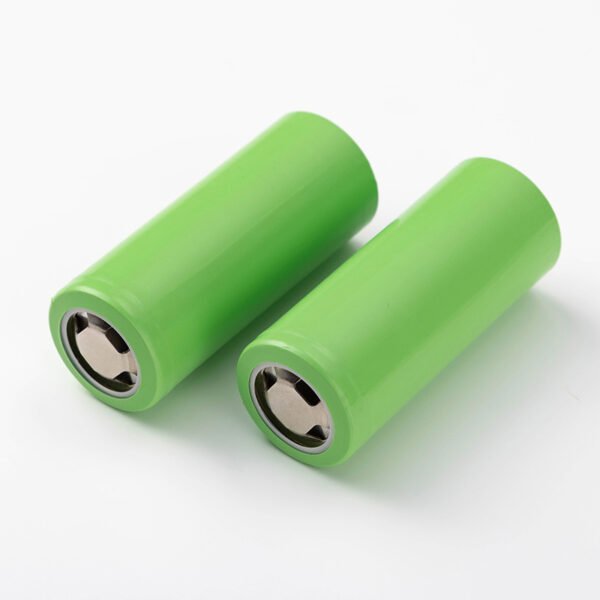
Flame Retardant Li-MnO₂ Battery for Consumer Electronics: Safety Innovation in Primary Power Solutions
The rapid evolution of consumer electronics demands power sources that balance high energy density with uncompromising safety. Among primary battery technologies, Lithium-Manganese Dioxide (Li-MnO₂) batteries have established themselves as a reliable choice for applications ranging from medical devices to IoT sensors. However, as device complexity increases and safety regulations tighten globally, flame retardant technology has become a critical differentiator in battery selection for engineering teams and procurement specialists.
Understanding Li-MnO₂ Battery Chemistry and Safety Challenges
Li-MnO₂ primary batteries operate through the electrochemical reaction between lithium metal anodes and manganese dioxide cathodes, delivering a nominal voltage of 3.0V with exceptional energy density. The chemical system offers stable discharge characteristics across wide temperature ranges (-40°C to +85°C), making it ideal for consumer electronics requiring long shelf life and reliable performance.
However, traditional Li-MnO₂ batteries face inherent safety challenges. The organic electrolyte systems, typically based on propylene carbonate or dimethoxyethane with lithium salts, present flammability risks under thermal stress, mechanical abuse, or electrical misuse. For consumer electronics manufacturers, understanding these risks is essential for compliance with international safety standards including IEC 60086-5, UL 1642, and UN 38.3 transportation requirements.
Flame Retardant Technology Integration
Modern flame retardant Li-MnO₂ batteries incorporate multiple safety layers at the cell and component level:
Separator Enhancement: Advanced composite separators with ceramic coatings or flame-retardant polymer additives provide thermal shutdown functionality. When temperatures exceed critical thresholds, these separators close pores to interrupt ion flow, preventing thermal runaway propagation.
Electrolyte Formulation: Next-generation electrolytes integrate phosphorus-based or halogen-free flame retardant additives that suppress combustion without compromising ionic conductivity. These formulations maintain electrochemical performance while significantly reducing flammability risks.
Cell Construction: Improved cell housing designs incorporate pressure relief mechanisms and reinforced casing materials that contain internal failures. Metal can integrity and weld quality directly impact safety performance under abuse conditions.
Compliance and Certification Requirements
For global market access, flame retardant Li-MnO₂ batteries must satisfy multiple regulatory frameworks:
- IEC 60086 Series: Defines safety requirements for primary batteries, including thermal, mechanical, and electrical abuse testing
- UL Standards: North American safety certification covering cell construction and performance under fault conditions
- REACH/RoHS: Environmental compliance restricting hazardous substances in battery components
- UN 38.3: Mandatory transportation testing for lithium battery shipments
Engineering teams should verify certification documentation during supplier qualification, ensuring test reports cover current production batches rather than historical data.
Application-Specific Considerations
Consumer electronics applications present distinct requirements for flame retardant Li-MnO₂ batteries:
Medical Devices: Pacemakers, glucose monitors, and portable diagnostic equipment demand zero-failure reliability with enhanced safety margins. Flame retardant technology provides critical protection for patient-facing applications.
Smart Home IoT: Distributed sensor networks in residential environments require batteries that minimize fire risk during extended unattended operation. Low self-discharge rates combined with flame retardant features extend maintenance intervals safely.
Portable Electronics: Handheld devices, remote controls, and security systems benefit from the compact form factor of CR-series Li-MnO₂ cells while meeting increasingly stringent consumer safety expectations.
Selection Criteria for Technical Procurement
When evaluating flame retardant Li-MnO₂ battery suppliers, consider these technical parameters:
- Thermal Runaway Onset Temperature: Higher thresholds indicate better safety margins
- Flame Retardant Additive Compatibility: Ensure additives don’t accelerate capacity degradation
- Long-term Storage Performance: Verify shelf life claims through accelerated aging data
- Manufacturing Quality Systems: ISO 9001 certification and traceability protocols matter
- Technical Support Capability: Supplier engineering resources for application integration
Future Trends and Industry Direction
The flame retardant Li-MnO₂ battery market continues evolving toward safer, more sustainable solutions. Research focuses on solid-state electrolyte integration, bio-based flame retardant materials, and enhanced recycling pathways. For procurement professionals, staying informed about these developments enables strategic sourcing decisions that balance immediate project requirements with long-term supply chain resilience.
Partner with Experienced Battery Specialists
Selecting the right flame retardant Li-MnO₂ battery requires collaboration with manufacturers who understand both electrochemical performance and safety engineering. Technical teams should engage suppliers early in the design process to optimize battery selection for specific application requirements.
For detailed technical specifications and application support, explore comprehensive primary battery solutions at https://cnsbattery.com/primary-battery/. Engineering teams requiring customized consultation can connect directly through https://cnsbattery.com/primary-battery-contact-us/ to discuss project-specific requirements.
Conclusion
Flame retardant Li-MnO₂ batteries represent a mature technology platform that continues advancing to meet modern consumer electronics safety demands. By understanding the underlying chemistry, safety mechanisms, and compliance requirements, engineering and procurement professionals can make informed decisions that protect end users while maintaining device performance. As regulations tighten and consumer expectations rise, flame retardant technology transitions from optional feature to essential requirement in primary battery selection for responsible product development.
